
Global Overtourism Crisis 2026: Spain, Italy, and Bali Implement Stricter Visitor Caps
Spain has joined a global coalition including Iceland, Italy, and Peru to combat the overtourism crisis with strict visitor limits, environmental taxes, and site closures.

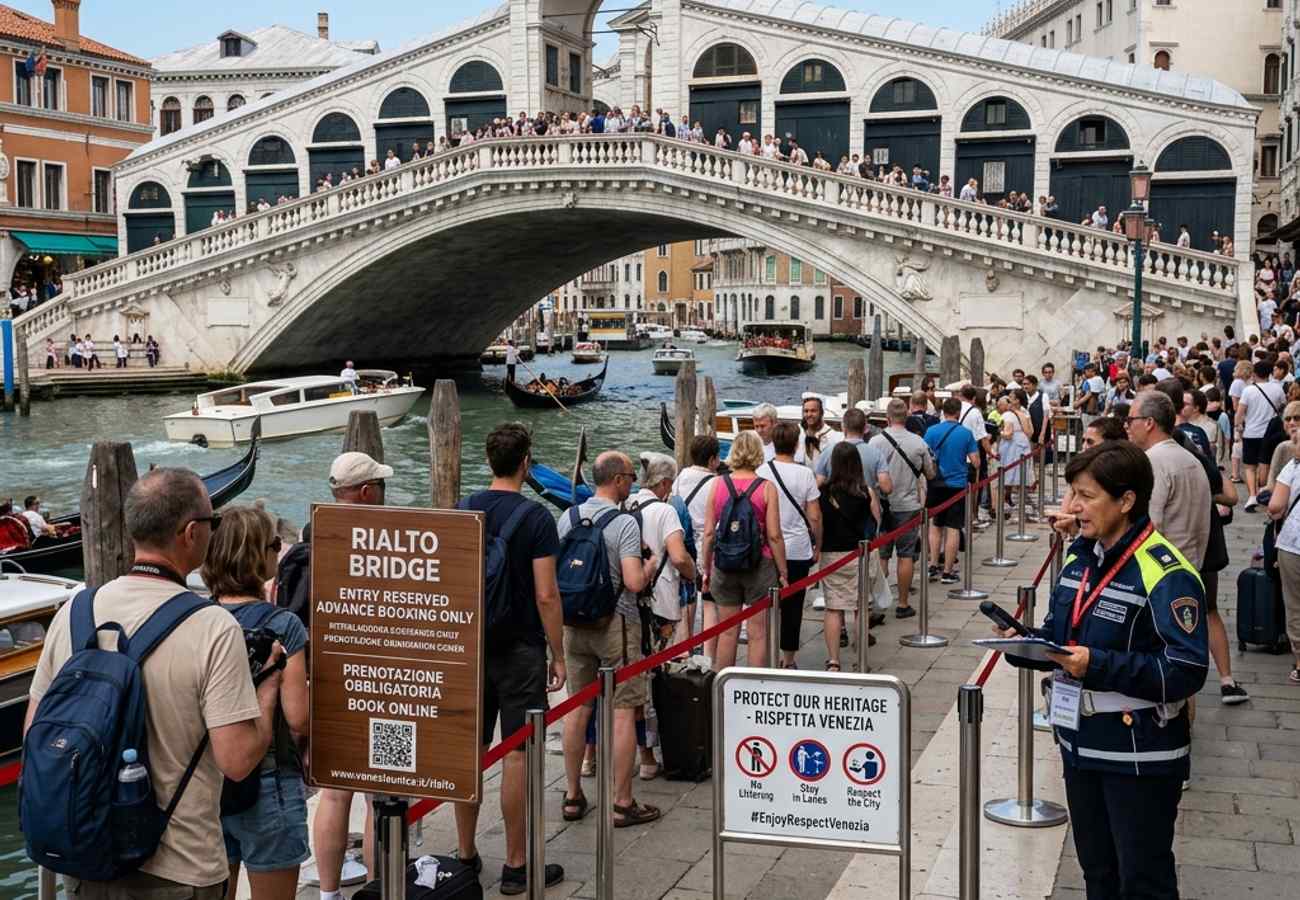
Image generated by AI
Quick Summary
- A Global Coalition including Spain, Iceland, Italy, Croatia, and Indonesia is implementing urgent measures to combat the overtourism crisis devastating iconic destinations.
- Spain has introduced stricter regulations in Barcelona and the Balearic Islands, focusing on short-term rental limits and party-tourism bans.
- Italy and Peru are leveraging entry taxes and designated time slots for heritage sites like Venice and Machu Picchu to preserve fragile infrastructure.
- Indonesia has taken drastic action by temporarily closing Komodo Island to protect endangered wildlife and implementing waste management caps in Bali.
The global tourism industry is facing a structural reckoning in early 2026 as mass overcrowding, environmental degradation, and infrastructure strain push iconic destinations to their limits. A wave of new regulations, ranging from environmental taxes to absolute visitor caps, is being enforced across Europe, Asia, and South America. These measures reflect a unified effort by governments to restore balance to local communities and preserve cultural and natural heritage for future generations, signaling a shift toward a more regulated and sustainable travel model.
Overtourism Crisis: Global Mitigation Strategies & Impacted Sites (2026)
Nations are prioritizing the preservation of ecosystems and local quality of life over raw visitor volume.
| Nation | Impacted Destinations | Key Mitigation Strategy |
|---|---|---|
| Spain | Barcelona, Mallorca, Ibiza | Short-term rental limits; environmental taxes |
| Italy | Venice, Florence, Amalfi Coast | Entry fees; cruise ship bans; vehicle access control |
| Iceland | Golden Circle, South Coast | Access regulation; rural infrastructure investment |
| Peru | Machu Picchu | Strict entry limits; mandatory time slots |
| Croatia | Dubrovnik, Split | Cruise ship arrival caps; visitor caps for Old Town |
| Indonesia | Bali, Komodo Island | Temporary site closures; waste management fees |
| Andorra | Grandvalira Ski Resorts | Off-season promotion; eco-friendly mandates |
Spain and Italy: Protecting Heritage Hubs
Spain’s battle against overtourism is most visible in Barcelona, where the city council has tightened regulations on short-term rentals (like Airbnb) to alleviate the housing crisis. In the Balearic Islands, local governments have introduced environmental taxes and restricted the number of "party-focused" visitors to restore the islands' reputation as family-friendly destinations.
Italy’s Venice remains the global face of this crisis. The "City of Canals" has finalized a permanent tourism tax and strict restrictions on large cruise ships entering the Giudecca Canal. Similarly, the Amalfi Coast has implemented an "alternating license plate" system for tourists to manage traffic congestion and pollution along its narrow cliffside roads.
Iceland and Andorra: Preserving Fragile Natural Wonders
In Iceland, the surge in visitors to the Golden Circle and South Coast has prompted the government to establish visitor education programs and regulate access to geothermal areas like Geysir. Andorra, despite its small size, is focusing on sustainability in its high-altitude ski resorts by promoting off-season visits and implementing eco-friendly infrastructure mandates to reduce the environmental footprint of winter mass tourism.
Croatia and Peru: Safeguarding UNESCO World Heritage Sites
Dubrovnik, the "Pearl of the Adriatic," has introduced a "Respect the City" initiative that limits the number of cruise ships docking daily and caps the number of visitors allowed within the UNESCO-listed Old Town walls. In South America, Peru has expanded its slot-based entry system for Machu Picchu, requiring all visitors to book precise entry times months in advance to prevent structural damage to the Inca citadel.
Indonesia: The Battle for Bali and Komodo Island
Indonesia has taken some of the most aggressive steps in the region. Bali is grappling with massive waste management challenges, leading to the introduction of "sustainability fees" for all international arrivals. More significantly, Komodo Island has faced temporary closures to human traffic to ensure the protection of the endangered Komodo dragon and its fragile habitat from the negative impacts of mass nature tourism.
FAQ: Global Overtourism and Travel Regulations 2026
Do I need to pay a tax to enter Venice or Barcelona? Yes. Venice now requires an entry fee for day-trippers on specific high-traffic days. Barcelona and the Balearic Islands include environmental taxes in the cost of your accommodation.
Can I still visit Machu Picchu without a pre-booked slot? No. Entry is strictly regulated. You must book a specific time slot months in advance, and late arrivals may be denied entry to maintain the daily visitor cap.
Why are some islands in Indonesia being closed to tourists? The Indonesian government is using "fallow periods" (temporary closures) to allow local ecosystems and wildlife, such as the Komodo dragon, to recover from the stress of constant human presence.
Related Travel Guides
Disclaimer
This article is for informational and educational purposes only. It does not constitute legal, financial, or professional advice. While we strive to provide accurate and up-to-date information, travel policies, regulations, and conditions change rapidly. Always verify information with official sources before making travel decisions. Nomad Lawyer makes no representations about the accuracy, reliability, completeness, or suitability of the information provided. Readers should consult qualified professionals for advice specific to their circumstances. The views expressed in this article are those of the author and do not necessarily reflect the views of Nomad Lawyer.
Kunal K Choudhary
Co-Founder & Contributor
A passionate traveller and tech enthusiast. Kunal contributes to the vision and growth of Nomad Lawyer, bringing fresh perspectives and driving the community forward.
Learn more about our team →