
Global Airline Satisfaction Hits Record Highs in 2026 Despite Strait of Hormuz Tensions and Energy Shocks: How JetBlue, Delta, and Southwest Defy Rising Oil Prices to Deliver Superior Passenger Experiences
Airline satisfaction has reached a record 736 out of 1,000 in the 2026 JD Power Study, as carriers like JetBlue and Delta successfully navigate the global energy crisis and Strait of Hormuz tensions to prioritize passenger comfort.

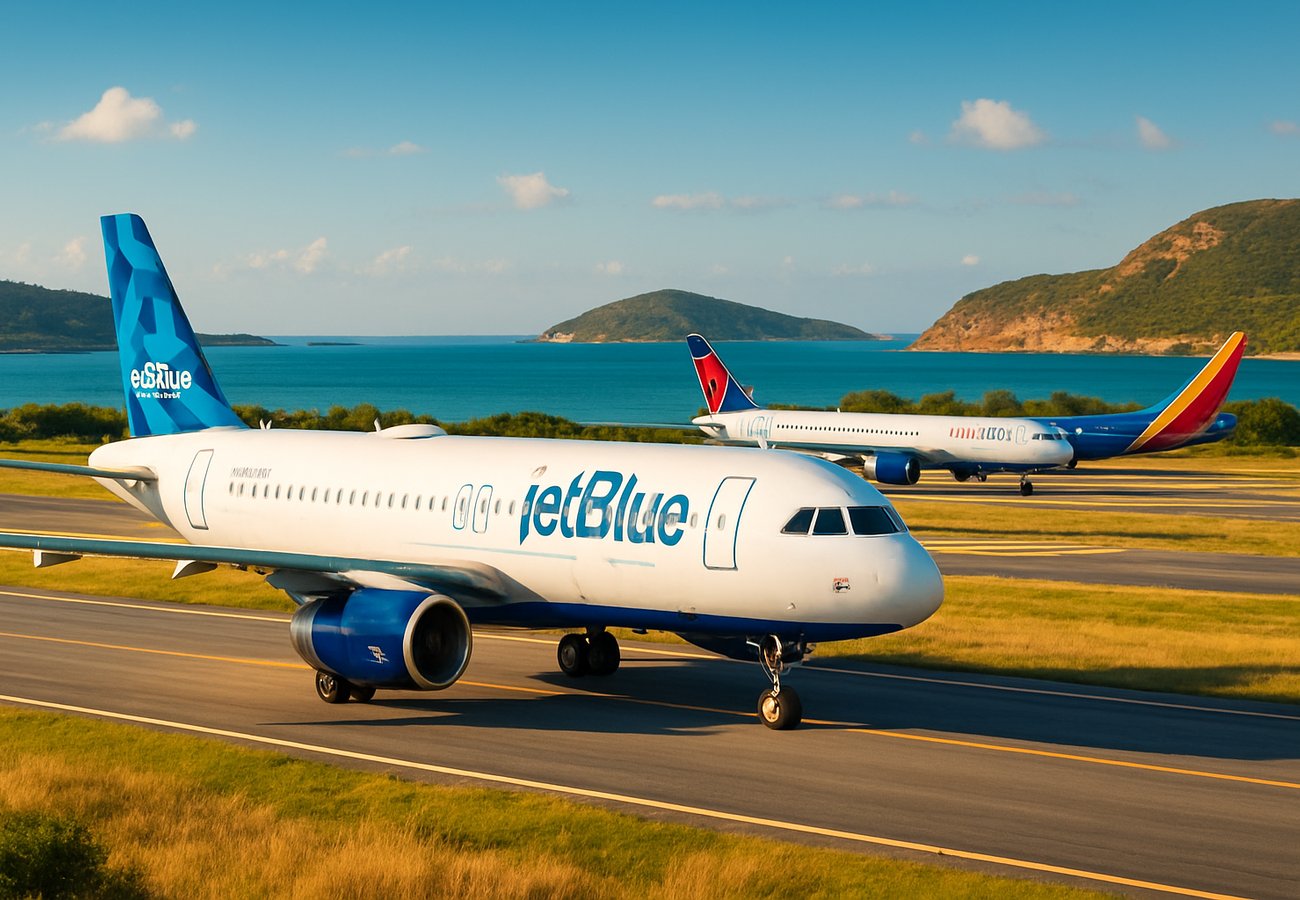
Image generated by AI
Quick Summary
- Historic High: Passenger satisfaction in the 2026 JD Power North America Airline Study rose 8 points to an overall score of 736 out of 1,000.
- Premium Surge: First and Business class cabins saw a massive 17-point increase in satisfaction, driven by personalized service and better value for money.
- Market Leaders: JetBlue Airways topped First Class, while Delta Air Lines led the Premium segment. Southwest Airlines secured the Economy top spot for the 5th consecutive year.
- Energy Defiance: The industry’s success comes despite the global energy crisis and US-Iran conflict, which have inflated oil prices and operational costs.
- **Digital Resilience:**Revamped digital interfaces and proactive communication during shipping disruptions have minimized traveler friction.
- Geopolitical Backdrop: Ongoing Strait of Hormuz tensions have forced airlines to optimize efficiency to maintain reliability amid rising jet fuel costs.
- Source: 2026 JD Power North America Airline Satisfaction Study released May 7, 2026.
NEW YORK — In what global affairs analysts are calling an "operational miracle," the international aviation sector has recorded its highest level of passenger satisfaction in years, even as the shadow of a global energy crisis looms over the industry. According to the 2026 JD Power North America Airline Satisfaction Study released on May 7, 2026, overall traveler happiness has surged to 736 out of 1,000, an 8-point jump from 2025. This achievement is particularly striking given the volatile Gulf tensions and the persistent threat of a Strait of Hormuz blockade, which have sent oil prices skyrocketing and disrupted trans-continental supply chains.
Expanded Overview: A 736-Point Triumph Over Geopolitical Headwinds
The scale of this improvement reflects a fundamental shift in how airlines manage the passenger experience during periods of global instability. While the US-Iran conflict has led to significant airspace rerouting and increased fuel surcharges, carriers have doubled down on "customer-centric" reliability. The study highlights that the aviation sector is currently operating at a high level of efficiency, with passengers reporting significant gains in comfort, service quality, and reliability—metrics that were previously under threat from shipping disruptions and airport congestion.
Geopolitical Context: Navigating the Strait of Hormuz and Energy Shocks
As a senior energy journalist would observe, the 2026 satisfaction surge is a direct byproduct of airlines being forced to "justify the fare." As the Strait of Hormuz standoff continues to influence global oil prices, ticket costs have remained elevated. To prevent a collapse in demand, major carriers in North America have adopted the service-heavy models popularized by Gulf giants in Saudi Arabia, the UAE, and Qatar. This competitive "pivot to quality" has resulted in a 17-point increase in satisfaction for first and business class passengers, who now perceive a higher value proposition despite the macro-economic pressures.
Global Energy Impact: Efficiency in the Age of High Oil Prices
The global energy crisis has acted as a catalyst for technological innovation within the cabin.
- Digital Transformation: Airlines like Delta and JetBlue have revamped their online interfaces to allow for seamless rebooking and real-time fuel-efficient flight path updates.
- Comfort vs. Cost: Despite rising overheads, airlines are investing in better catering and in-flight entertainment to distract from the reality of longer flight times caused by the need to avoid conflict zones near the US-Iran conflict corridors.
Shipping and Trade Impact: Maintaining the Premium Experience
The ongoing shipping disruption in the Suez Canal and surrounding regions has made the procurement of premium cabin supplies—from high-end linens to gourmet ingredients—exceptionally difficult.
- Supply Chain Agility: Carriers that have successfully secured localized supply chains have seen the highest satisfaction scores.
- JetBlue and Delta Leading: By ensuring that "attention to detail" remains uncompromised despite trade delays, these airlines have captured the loyalty of the high-spending business traveler.
Regional Impact: The Gulf Influence on North American Standards
The high standards of hospitality set by carriers in Saudi Arabia, the UAE, Kuwait, and Qatar have fundamentally reshaped expectations for travelers in 2026.
- The "Emirates Effect": North American airlines are now competing on personalized service and luxury amenities to match the global benchmark set by Middle Eastern hubs.
- Oman and Bahrain Hubs: The stability of regional hubs in the Gulf (outside immediate conflict zones) has provided a blueprint for North American carriers on how to manage "proactive communication" during disruptions.
Industry / Expert Analysis: Why Passengers Are Happier Despite Delays
Aviation analysts at Reuters and Bloomberg suggest that "transparency is the new currency." In 2026, travelers are more understanding of delays caused by Strait of Hormuz tensions or weather events, provided the airline communicates proactively.
- Southwest’s Economy Dominance: With a score of 670, Southwest Airlines has proven that consistent, friendly, and low-cost service can thrive even in a high-cost energy environment.
- Reliability as Luxury: In a world of shipping disruptions and geopolitical risk, the ability to arrive safely and on time (or be rebooked immediately) has become the ultimate luxury for the modern passenger.
What Happens Next: Scenarios for the 2027 Travel Season
As we move toward 2027, the primary challenge for the industry will be maintaining this satisfaction baseline.
- Rising Ticket Prices: If oil prices remain at current levels due to Gulf tensions, airlines may be forced to pass more costs to the consumer, potentially testing the limits of passenger loyalty.
- Diplomatic Outlook: Should the US-Iran conflict de-escalate, airlines will be well-positioned to reinvest fuel savings into even further cabin enhancements.
- Competition: As demand continues to surge, the battle for the "customer-centric" top spot will intensify between legacy carriers and tech-driven low-cost startups.
Conclusion: Reinforcing the Global Risk and Operational Reward
The 2026 JD Power Study offers an optimistic vision of an industry that has learned to thrive under pressure. By prioritizing the passenger experience amid the global energy crisis and Strait of Hormuz volatility, airlines have proven that operational resilience and customer empathy are the keys to long-term success. As the world watches the geopolitical developments in the Middle East, one thing is certain: the airlines that can maintain high satisfaction scores while navigating a world of shipping disruptions and oil price shocks will be the ones that define the future of air travel.
Key Takeaways: Airline Satisfaction 2026
- Overall Score: 736/1,000 (+8 points YoY).
- Segment Win: First/Business class satisfaction rose by 17 points.
- Top Carriers: JetBlue (First), Delta (Premium), and Southwest (Economy).
- Core Driver: Proactive communication and digital interface improvements.
- Global Hedge: Success achieved despite the US-Iran conflict and oil price volatility.
- Market Trend: Reliability and comfort are now prioritized over price in an uncertain geopolitical environment.
Related Tourism Reports
Disclaimer
This article is for informational and educational purposes only. It does not constitute legal, financial, or professional advice. While we strive to provide accurate and up-to-date information, travel policies, regulations, and conditions change rapidly. Always verify information with official sources before making travel decisions. Nomad Lawyer makes no representations about the accuracy, reliability, completeness, or suitability of the information provided. Readers should consult qualified professionals for advice specific to their circumstances. The views expressed in this article are those of the author and do not necessarily reflect the views of Nomad Lawyer.
Kunal K Choudhary
Co-Founder & Contributor
A passionate traveller and tech enthusiast. Kunal contributes to the vision and growth of Nomad Lawyer, bringing fresh perspectives and driving the community forward.
Learn more about our team →