
Gironde Wildfire Crisis 2026: 40,000 French Tourism Businesses Face Collapse After Mass Evacuations
Devastating wildfires in Gironde, France, have displaced 220,000 people and threatened 40,000 tourism-dependent businesses, exposing critical vulnerabilities in the regional travel economy during the 2026 peak summer season.

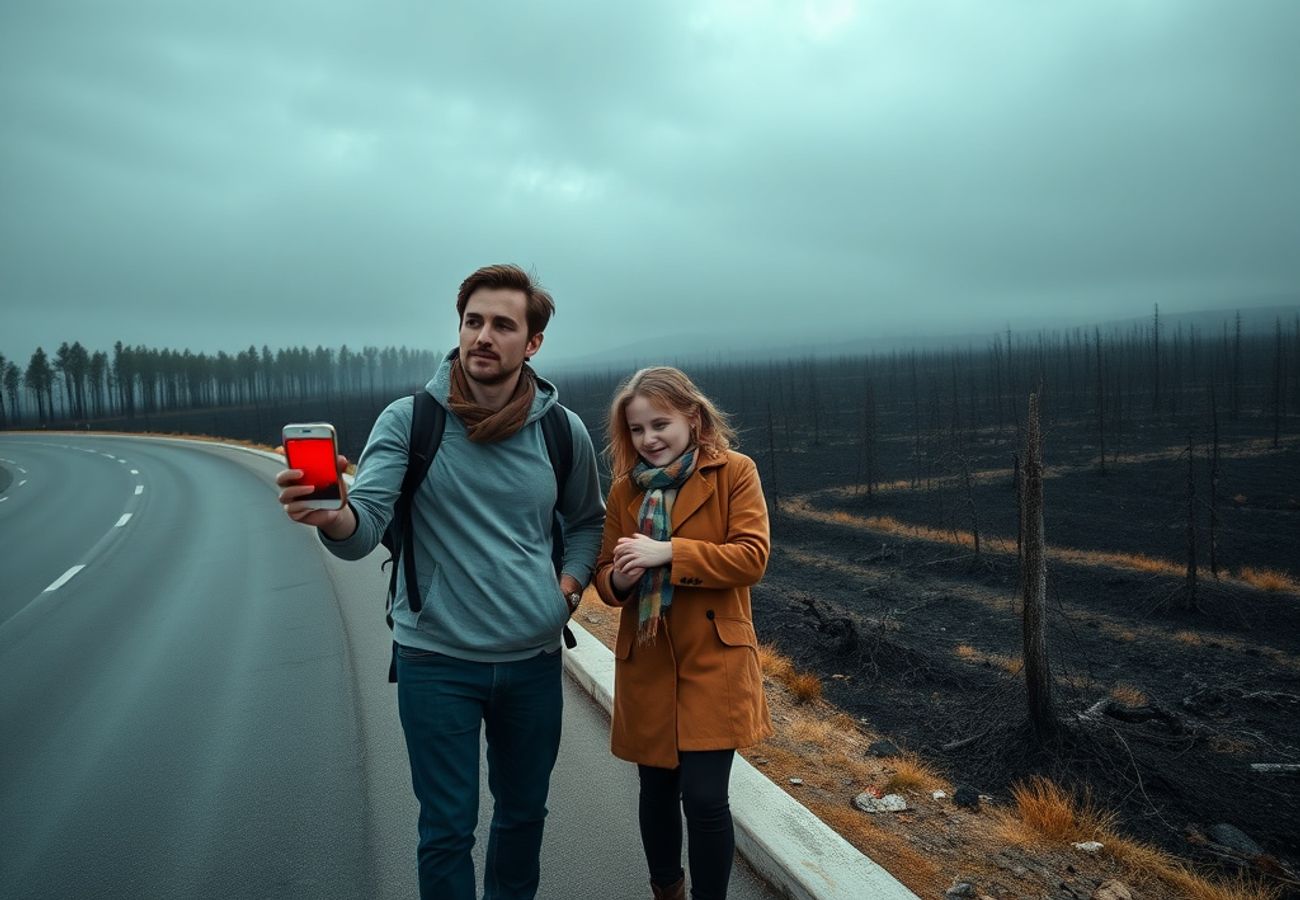
Image generated by AI
The Gironde region has entered a critical economic emergency after powerful wildfires swept through its pine forests and coastal corridors, disrupting an estimated 40,000 businesses and forcing the evacuation of up to 224,000 people.
The disaster struck during the peak of the summer travel season, a period where many local operators generate up to 80% of their annual revenue. The scale of the disruption has created a systemic shock to the regional travel economy, impacting approximately 200,000 jobs across the hospitality, retail, and viticulture sectors.
Regional Impact and Operational Disruptions
The fires have caused massive population movements, with evacuation figures ranging between 220,000 and 224,000 residents and visitors. While firefighting operations have progressed, the recovery is hampered by hidden fire pockets and unstable vegetation, leading to ongoing restrictions on access to specific rural and forest zones.
The hospitality sector has borne the brunt of the financial loss. Campsites, which rely heavily on nature-based tourism, have reported individual losses exceeding €150,000 due to mass cancellations. This trend extends to hotels and restaurants that, while perhaps not physically damaged by flames, are suffering from a "perception crisis" as travelers divert to safer destinations.
Critical Transit and Infrastructure Status
As of August 2026, authorities have begun a phased reopening of key transport arteries to restore the flow of commerce and tourism.
| Infrastructure Point | Current Status | Impact/Restriction |
|---|---|---|
| A63 Motorway | Open | Primary link between Bordeaux and the Spanish border restored |
| Bordeaux City Center | Operational | Museums, restaurants, and cultural sites fully open |
| Coastal Destinations | Partial Reopening | Restrictions eased; monitoring for hotspots continues |
| Pine Forest Zones | Restricted | Access prohibited in high-risk wildfire sectors |
| Vineyard Estates | Open/Conditional | Operational, though facing drought and water stress |
Traveler Logistics Guide: Navigating the Gironde Region
From a ground-level perspective, the best way to navigate the current situation in Southwest France is to prioritize urban hubs over rural hinterlands until official "all-clear" notices are issued for specific communes.
Booking and Cancellations If you have a booking in the Gironde region, check the specific "Zone de Danger" maps provided by the prefecture. Many campsites are offering rescheduled dates rather than refunds; however, travelers should review their insurance policies for "Force Majeure" clauses related to natural disasters.
Transit Strategy The A63 motorway is the primary artery for those entering from Spain or traveling toward Bordeaux. Avoid secondary rural roads in the pine forest regions, as these are frequently closed without notice to allow emergency vehicle access.
Digital Transit Policies Travelers entering France should ensure all digital travel authorizations are current. For those transitioning from other EU zones, keep an eye on regional alerts via official government apps, as evacuation orders can be issued rapidly via SMS alerts to all mobile devices in the affected perimeter.
Customs and Wine Tourism For those visiting the vineyards, be aware that while the estates are open, the experience may be altered. Water stress has affected younger vines, and some estates may have limited access to certain outdoor tasting areas due to fire safety protocols.
Infrastructure Impact Assessment
This crisis exposes a fundamental vulnerability in the French tourism model: an over-reliance on a narrow peak window for annual solvency. The Gironde fires demonstrate that climate-driven events are no longer "outlier" risks but are central to regional economic planning.
The long-term impact on the wine tourism sector is particularly concerning. Beyond the immediate loss of visitors, the combination of drought and fire-induced soil damage could affect crop yields for years. The regional economy now faces a dual battle: repairing physical infrastructure and rebranding the region to decouple the image of Gironde from the devastation of the 2026 fire season.
The recovery of Gironde will depend less on the extinguishing of flames and more on the restoration of global traveler confidence.
Related Travel Guides
Disclaimer
This article is for informational and educational purposes only. It does not constitute legal, financial, or professional advice. While we strive to provide accurate and up-to-date information, travel policies, regulations, and conditions change rapidly. Always verify information with official sources before making travel decisions. Nomad Lawyer makes no representations about the accuracy, reliability, completeness, or suitability of the information provided. Readers should consult qualified professionals for advice specific to their circumstances. The views expressed in this article are those of the author and do not necessarily reflect the views of Nomad Lawyer.
Preeti Gunjan
Contributor & Community Manager
A passionate traveller and community builder. Preeti helps grow the Nomad Lawyer community, fostering engagement and bringing the reader experience to life.
Learn more about our team →