
Germany and France Revise 2035 EU Emission Targets to Protect Hybrid Vehicle Fleet and Tourism
A strategic Franco-German pact modifies EU zero-emission mandates, ensuring hybrid vehicles remain viable past 2035 to prevent rental price spikes and preserve rural road tourism.

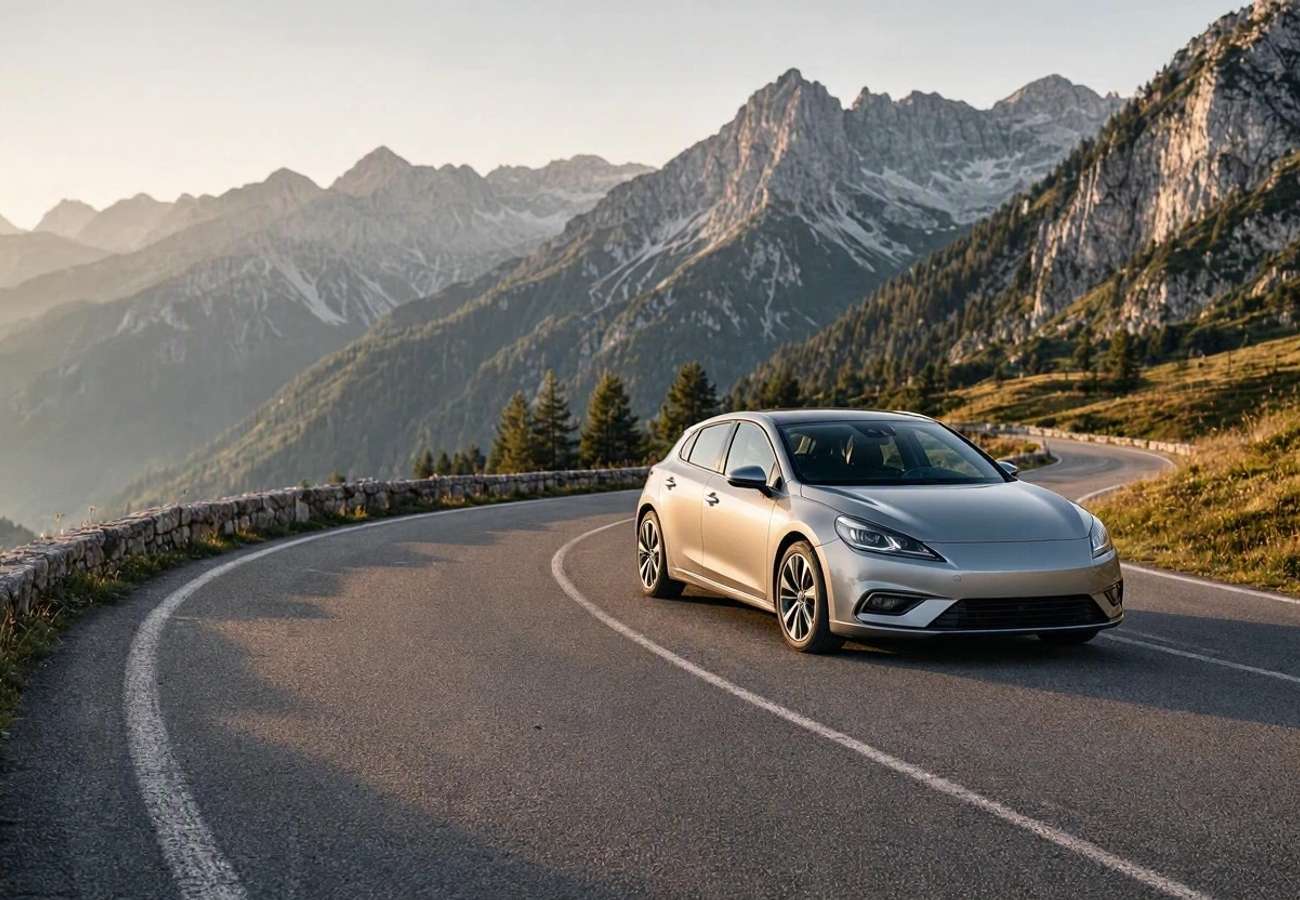
Image generated by AI
A 90% fleet average reduction target, replacing a rigid 100% zero-emission mandate, forms the core of a new strategic alliance between Germany and France. This regulatory pivot is designed to shield the European automotive sector from catastrophic compliance costs while ensuring that the infrastructure for independent road travel does not collapse under the weight of an overnight transition to fully electric vehicles (EVs).
The Regulatory Shift in Continental Mobility
The previous European Union framework demanded a total elimination of tailpipe emissions by 2035. While the European Commission had floated a 90% target, it came with a hidden financial burden: manufacturers were required to purchase expensive carbon offsets, such as green steel credits or synthetic e-fuels, to bridge the final 10% gap.
The new Franco-German proposal removes these mandatory offsets entirely. By shifting the goalposts from a "zero-emission" absolute to a "fleet average" reduction, the two nations are effectively legalizing the continued production and sale of hybrid, plug-in hybrid (PHEV), and high-efficiency internal combustion engine (ICE) vehicles well beyond the mid-decade mark. This move is a direct response to the economic pressure exerted by low-cost EV imports from China and the cooling demand for pure EVs in peripheral European markets.
Comparative Analysis of Emission Frameworks
The transition from the original draft to the proposed Franco-German model represents a significant shift in how the EU will penalize and incentivize automotive production.
| Regulatory Dimension | Original EU Draft Target | Proposed Franco-German Framework | Direct Impact on Road Mobility |
|---|---|---|---|
| 2035 CO₂ Reduction | 100% Zero-Emission Fleet | 90% Fleet Average Reduction | Maintains production of standard and plug-in hybrids |
| Offset Requirements | Mandatory e-fuel/steel credits for final 10% | Offset Requirements Dropped | Removes artificial surcharges from consumer pricing |
| Compliance Fines | Immediate penalties for non-zero fleets | Flexible 5-Year Window (2030–2034) | Prevents sudden price hikes in rental car inventory |
| PHEV Regulations | Strict, penalized emissions formula | Revised Favorable Utility Calculation | Keeps hybrids financially viable for hire agencies |
| Supply Chain | Open global procurement | "Made in Europe" Local Protection | Prioritizes EU-based battery and vehicle assembly |
Expert Analysis: The Logistics of Road Tourism
For the independent traveler, this is not merely a corporate subsidy for automakers; it is a safeguard for the logistics of the "Grand Tour." The direct consequence of this policy is the prevention of a "mobility divide" between urban centers and rural destinations.
The pricing pressure created by the original 100% mandate would have trickled down to the rental counter. Vehicle hire companies and campervan operators rely on high-volume, low-maintenance fleets. Had the mandatory carbon offsets remained, the acquisition cost for these fleets would have surged, leading to higher daily rental rates at major hubs.
Furthermore, this agreement addresses "charging anxiety" in a pragmatic way. While the International Air Transport Association (IATA) manages the skies, the ground reality in the Alps, the Mediterranean coast, and Eastern Europe remains fragmented. High-speed charging corridors are prevalent on motorways, but rural tourism depends on the flexibility of hybrids. By ensuring these vehicles remain on the market, Germany and France are protecting the accessibility of off-the-beaten-path destinations.
From a legal and geopolitical standpoint, the inclusion of the United Kingdom in the "Made in Europe" status—contingent on London aligning its trade protections—is a critical win for cross-border logistics. It ensures that Eurotunnel and ferry transports remain streamlined, preventing a regulatory nightmare for UK citizens embarking on EU motorhome itineraries.
Key Takeaways
- Hybrid Survival: Hybrid and plug-in hybrid vehicles are now secured for production and sale past 2035, avoiding a hard ban.
- Cost Suppression: The removal of mandatory carbon offsets for the final 10% of emissions targets prevents artificial price inflation for new cars and rentals.
- Rental Stability: A flexible five-year averaging window (2030–2034) prevents sudden spikes in the cost of rental fleet renewals.
- Infrastructure Buffer: The policy acknowledges that rural charging infrastructure is insufficient for a 100% EV transition, preserving rural tourism.
- UK Integration: The UK may maintain "Made in Europe" status for automotive trade if it aligns import protections with EU standards.
FAQ: European Road Travel 2035
Will rental car prices increase due to new emission laws? The Franco-German agreement is specifically designed to prevent this. By removing mandatory carbon offsets and allowing hybrid fleets, rental agencies can avoid the high acquisition costs that would have led to higher tourist rates.
Can I still rent a hybrid car in Europe after 2035? Yes. Under the proposed 90% fleet average reduction target, hybrid and plug-in hybrid vehicles will remain viable and available for hire and purchase beyond 2035.
How does this affect driving from the UK to the EU? The agreement seeks to maintain regulatory symmetry. If the UK aligns its trade protections with the EU, vehicles will continue to move seamlessly across the Channel via ferry and Eurotunnel.
Why not go 100% electric by 2035? The policy recognizes that rural infrastructure in the Alps and Mediterranean regions cannot yet support a fully electric fleet without risking "charging anxiety" and stranded travelers.
The battle between environmental idealism and industrial reality has, for now, been won by the pragmatists in Berlin and Paris.
Related Travel Guides
Disclaimer
This article is for informational and educational purposes only. It does not constitute legal, financial, or professional advice. While we strive to provide accurate and up-to-date information, travel policies, regulations, and conditions change rapidly. Always verify information with official sources before making travel decisions. Nomad Lawyer makes no representations about the accuracy, reliability, completeness, or suitability of the information provided. Readers should consult qualified professionals for advice specific to their circumstances. The views expressed in this article are those of the author and do not necessarily reflect the views of Nomad Lawyer.
Kunal K Choudhary
Co-Founder & Contributor
A passionate traveller and tech enthusiast. Kunal contributes to the vision and growth of Nomad Lawyer, bringing fresh perspectives and driving the community forward.
Learn more about our team →