
Azerbaijan and Kazakhstan Launch Middle Corridor to Link Central Asia and Europe in 2026
Azerbaijan and Kazakhstan are bypassing traditional transit routes to create the Middle Corridor, a strategic link connecting Central Asia directly to Europe through rail, sea, and digital infrastructure.

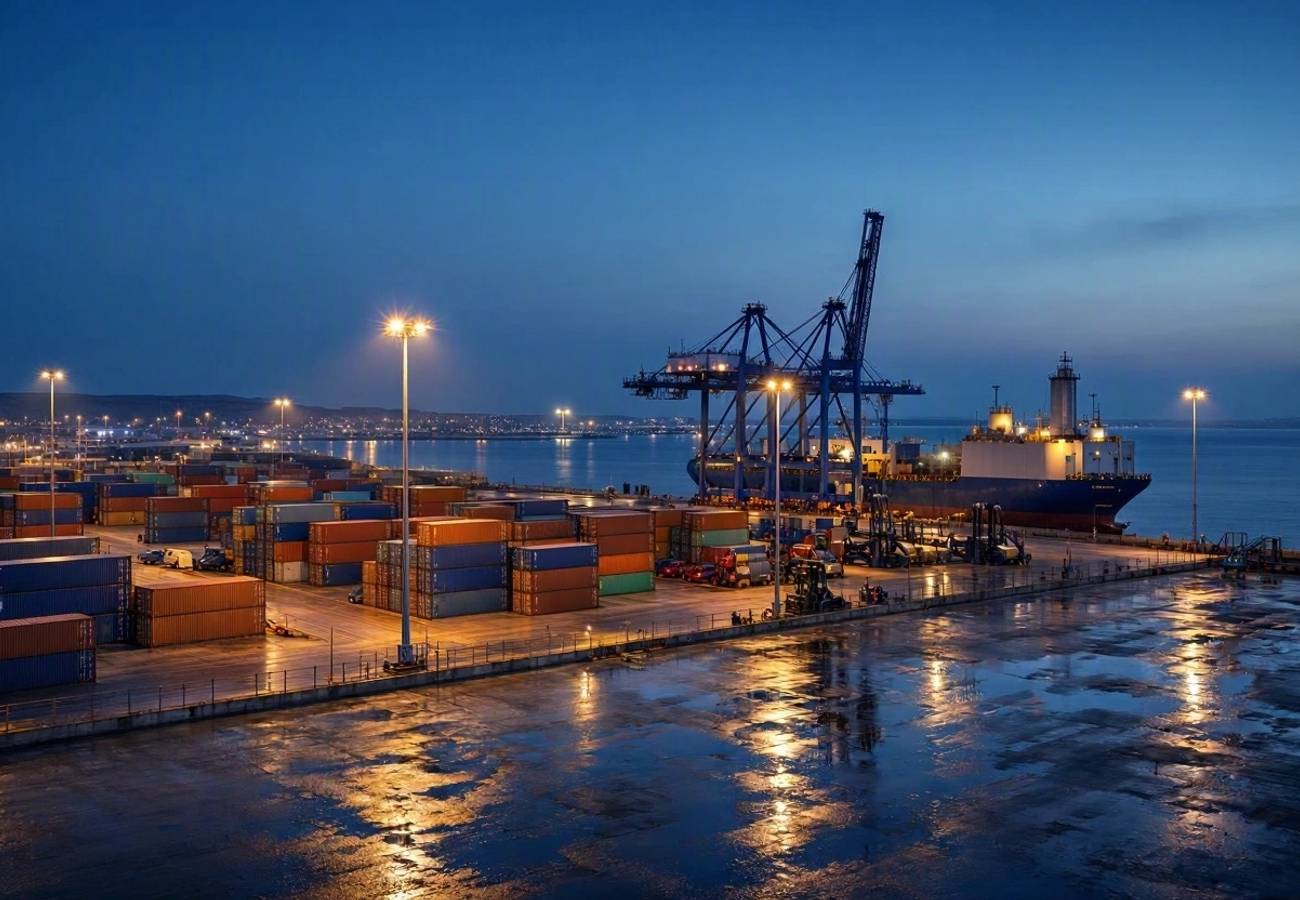
Image generated by AI
Azerbaijan and Kazakhstan now control more than three-fifths of the total nominal GDP of the South Caucasus and Central Asia, and they are using this economic weight to redraw the map of Eurasia. By forming a strategic alliance, these two nations are actively bypassing traditional transit corridors to establish a direct, high-speed link between the heart of Asia and the European markets.
The Rise of the Middle Corridor
For decades, trade between the East and West was a binary choice: the Northern overland routes through Russia or the Southern maritime paths through the Suez Canal. However, geopolitical volatility has made these routes unpredictable. In response, Baku and Astana have accelerated the development of the Trans-Caspian International Transport Route (TITR), widely known as the Middle Corridor.
This is not merely a series of roads and rails; it is a comprehensive logistical overhaul. By synchronizing train schedules with Caspian Sea vessel departures, the two nations are removing the chronic bottlenecks that once plagued port terminals. The goal is ambitious: reducing East-West transit times across the Caspian to under 15 days. To support this, they have implemented integrated, paperless customs platforms that allow cargo to move through multiple borders via a single-window clearance system.
What Makes the Caspian Connection Different
Unlike previous transit projects that functioned as simple "pass-through" bridges, the Azerbaijan-Kazakhstan partnership focuses on value-added integration. They are transforming transit nodes into industrial powerhouses. Instead of just moving raw materials, specialized economic zones are being established where Central Asian resources are processed into finished goods before they ever reach Europe.
The infrastructure extends beneath the waves and into the cloud. The Digital Silk Way project is laying fiber-optic cables between Aktau and Baku, creating a high-capacity telecom corridor. Simultaneously, the diversification of Kazakh crude oil exports through the Baku-Tbilisi-Ceyhan (BTC) pipeline ensures energy security independent of traditional Northern routes.
Caspian Infrastructure Strategic Breakdown
| Strategic Domain | Key Infrastructure Initiatives | Primary Objective |
|---|---|---|
| Maritime Transport | Expansion of Baku International Sea Trade Port (Alat) and Ports of Aktau/Kuryk | Boost container throughput and feeder ship capacity |
| Energy Transit | BTC Pipeline diversification and green energy transmission | Secure non-Russian energy routes to Europe |
| Digital Connectivity | Digital Silk Way fiber-optic cable (Aktau to Baku) | Establish high-speed Asia-Europe telecom corridor |
| Industrial Integration | Joint logistics hubs and localized processing centers | Shift from passive transit to regional manufacturing |
Visitor Insider Tips
For the intrepid traveler, this geopolitical shift opens a rare window into the "Stans" and the Caucasus. The alignment between Baku and Astana is creating a new breed of multi-destination tourism.
- The "Caspian Hop": Rather than flying back to a major hub, look for emerging passenger ferry routes and maritime cruises connecting Baku, Aktau, and Kuryk. This is the most authentic way to experience the scale of the sea.
- Air Corridor Hacks: Leverage the codeshare agreements between Azerbaijan Airlines (AZAL) and Air Astana. Booking these as a single itinerary often reduces the friction of transit in Almaty or Astana.
- Timing Your Visit: Aim for May to June or September to October. The Caspian coast can be oppressive in July and August, while the Kazakh steppes become brutally cold by November.
- Regional Specialty: In Baku, seek out traditional Plov; once you cross to Kazakhstan, pivot to Beshbarmak. The culinary transition across the Caspian is one of the most distinct gastronomic journeys in the world.
- Base Yourself: In Azerbaijan, stay in the Old City (Icherisheher) for cultural immersion. In Kazakhstan, use Astana as your modern hub but venture to Almaty for the mountain resorts.
Cultural and Environmental Context
The development of the Middle Corridor is a balancing act between economic ambition and environmental stewardship. The Caspian Sea is a fragile ecosystem, home to the endangered Caspian seal and sturgeon. The massive expansion of the Baku International Sea Trade Port and the ports of Aktau and Kuryk brings increased maritime traffic, which necessitates strict adherence to international maritime environmental standards to prevent pollution.
Culturally, this alliance is reviving the spirit of the ancient Silk Road. By digitalizing visa processes and passport controls, Azerbaijan and Kazakhstan are making it easier for people—not just cargo—to move. This fosters a renewed sense of regional identity, linking the Persian-influenced architecture of Baku with the nomadic heritage of the Kazakh steppe. This shift toward "strategic autonomy" allows these nations to define their own cultural exchange with Europe without relying on intermediaries. For more on protected sites in the region, visit the UNESCO World Heritage Centre.
FAQ: Visiting the Middle Corridor 2026
What is the best time to visit Azerbaijan and Kazakhstan? The ideal windows are spring (May-June) and autumn (September-October). These periods offer mild temperatures for exploring both the urban centers of Baku and Astana and the rugged landscapes of the Kazakh steppes.
Do I need a visa for these countries? Visa requirements vary by nationality. Azerbaijan offers a streamlined e-visa process, and Kazakhstan has expanded visa-free entry for many nations to encourage tourism. Always check official government portals before booking.
How do I travel between Baku and Aktau? The most direct route is via the Caspian Sea using passenger ferries or direct flights. The new infrastructure investments are currently expanding ferry capacities to make maritime travel more accessible for tourists.
Is it safe for solo travelers? Yes, both Azerbaijan and Kazakhstan are generally safe for solo travelers. Stick to registered transport providers, use ride-sharing apps in major cities, and respect local customs regarding dress and social etiquette.
The Caspian is no longer a barrier, but a bridge to a new Eurasian era.
Related Travel Guides
Disclaimer
This article is for informational and educational purposes only. It does not constitute legal, financial, or professional advice. While we strive to provide accurate and up-to-date information, travel policies, regulations, and conditions change rapidly. Always verify information with official sources before making travel decisions. Nomad Lawyer makes no representations about the accuracy, reliability, completeness, or suitability of the information provided. Readers should consult qualified professionals for advice specific to their circumstances. The views expressed in this article are those of the author and do not necessarily reflect the views of Nomad Lawyer.
Preeti Gunjan
Contributor & Community Manager
A passionate traveller and community builder. Preeti helps grow the Nomad Lawyer community, fostering engagement and bringing the reader experience to life.
Learn more about our team →