
Germany's Digital Shift: How Frankfurt and Munich Airports are Redefining Business Travel in 2026
Frankfurt and Munich are deploying biometric processing and rail-air integration to slash wait times for business travelers across Germany.

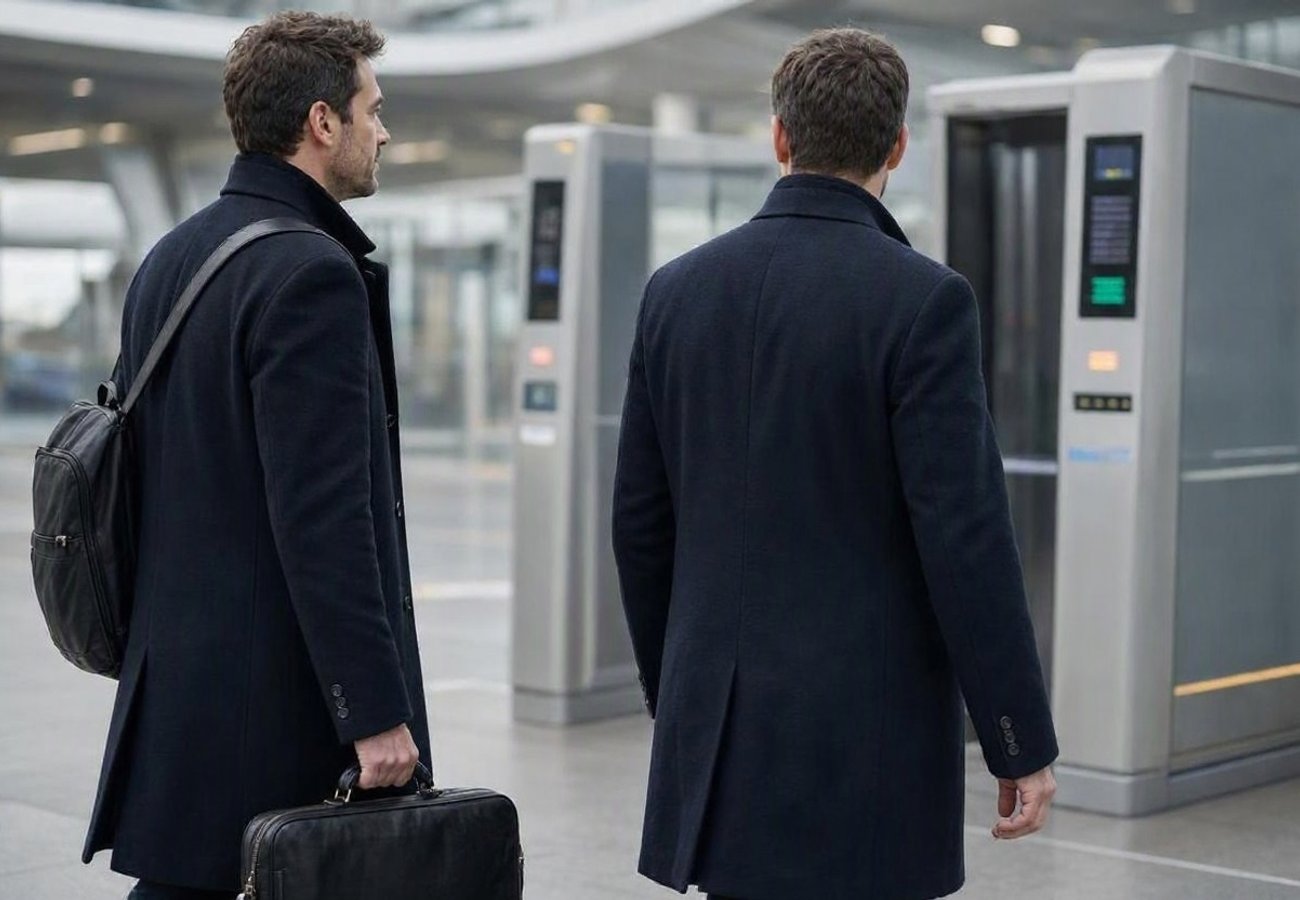
Image generated by AI
German airports are now legally permitted to replace physical passports with facial recognition for everything from bag drops to boarding. This shift, codified in July 2026 legislation, aims to eliminate the repetitive "document shuffle" that plagues corporate travelers moving through Europe's most congested hubs.
The Digital Pivot in German Aviation
Germany is aggressively repositioning its two primary gateways, Frankfurt and Munich, to attract high-value corporate travel by removing friction from the transit experience. The Federal Ministry for Transport has introduced a framework that allows airlines and airport operators to implement biometric identification. Rather than flashing a passport at every checkpoint, a traveler verifies their identity once; thereafter, their facial geometry serves as their ticket.
This system is entirely voluntary, ensuring that those wary of biometric tracking can still use traditional manual processing. However, the economic incentive for adoption is massive. The German government projects that this digital transition will save travelers approximately 1.1 million hours of waiting time annually, while generating roughly €63 million in yearly savings.
It is vital to distinguish between airport processing and legal border entry. While you can use your face to drop a bag or board a plane, the Federal Police still require physical travel documents for official immigration clearance.
What Makes the Frankfurt-Munich Axis Different
While many global hubs claim to be "smart," Germany is integrating its aviation infrastructure with its legendary rail network to create a truly multimodal experience.
Frankfurt is the epicenter of this "rail-air" strategy. With the opening of Terminal 3 in 2026, the airport has expanded its capacity to handle the surge of international executives. The real advantage, however, is the Lufthansa Express Rail. This service allows passengers to book a single ticket that covers both their flight and their Intercity Express (ICE) train journey via Deutsche Bahn. This eliminates the need for separate bookings and provides a transfer guarantee, effectively turning the national rail network into an extension of the airport terminal.
Munich takes a different approach, focusing on long-term capacity and regional industrial strength. In March 2026, Munich Airport and Lufthansa signed a partnership extending to 2056. A key part of this deal is the expansion of the Terminal 2 satellite facility, which is designed to accommodate an additional 10 million passengers per year. This ensures that Munich remains the primary entry point for the automotive and tech sectors of Bavaria.
Logistics and Processing Efficiency
To understand the current state of German transit, it is helpful to look at the two parallel biometric systems currently in operation.
| Feature | Biometric Passenger Processing (New) | EasyPASS (Established) |
|---|---|---|
| Primary Use | Check-in, Bag Drop, Boarding | Border Control / Immigration |
| Legal Basis | July 2026 Legislation | Federal Police Regulations |
| Requirement | Voluntary Enrollment | Eligible Electronic Passport |
| Scale | Airport-wide implementation | 255 lanes (as of April 2026) |
| Cost | Free | Free |
Visitor Insider Tips
For the frequent flyer or the business nomad, navigating these hubs requires a bit of local strategy:
- The EasyPASS Shortcut: If you hold an eligible e-passport, always look for the EasyPASS lanes. As of April 2026, there are 255 of these lanes across Germany's major airports. They are significantly faster than the manual queues.
- Rail-Air Strategy: If your meeting is in a city like Nuremberg or Stuttgart, do not fly into a smaller regional airport. Fly into Frankfurt and use the Lufthansa Express Rail. The integrated check-in and baggage services make the transition to the ICE train far smoother than any taxi or rental car.
- Terminal 3 Navigation: With the 2026 opening of Terminal 3 in Frankfurt, allow an extra 20 minutes for transit. The scale is massive, and while digital guidance is improved, the walking distances are significant.
- Bavarian Hubs: If you are visiting for the automotive or tech sectors, base yourself in Munich. The expanded Terminal 2 satellite facilities make long-haul arrivals much more predictable.
Cultural and Environmental Context
The push toward "digital mobility" is not just about speed; it is a response to the immense pressure placed on Germany's infrastructure by its status as a global trade hub. Frankfurt and Munich are not just airports; they are economic engines that support massive trade fairs and corporate headquarters.
By shifting passengers toward rail-air integration, Germany is attempting to reduce the carbon footprint of the "last mile" of business travel. Instead of thousands of short-haul flights or idling taxis, the government is leveraging the efficiency of the electrified rail network. However, this digital transition also brings a cultural tension regarding data privacy—a topic of extreme sensitivity in Germany. The voluntary nature of the biometric system is a direct nod to these privacy concerns, ensuring that the state does not mandate facial tracking for all citizens.
FAQ: Visiting Germany 2026
Do I need a visa to use the biometric systems? The biometric systems for check-in and boarding are separate from visa requirements. You still need a valid visa or travel authorization as required by German law; the biometrics simply speed up the airport process.
How do I get from Frankfurt Airport to the city center? The fastest way is via the regional trains (S-Bahn) or the long-distance railway station located directly at the airport, which connects you to the heart of Frankfurt in minutes.
Is the biometric processing mandatory? No. All legislation passed in July 2026 specifies that participation is voluntary. Traditional manual document checks remain available at all stages of the journey.
Can I use EasyPASS with any passport? No. EasyPASS is only available to citizens of countries with eligible electronic passports. If your country is not on the approved list, you must use the conventional border-control lanes.
The future of German travel is less about the passport and more about the pixel.
Related Travel Guides
Disclaimer
This article is for informational and educational purposes only. It does not constitute legal, financial, or professional advice. While we strive to provide accurate and up-to-date information, travel policies, regulations, and conditions change rapidly. Always verify information with official sources before making travel decisions. Nomad Lawyer makes no representations about the accuracy, reliability, completeness, or suitability of the information provided. Readers should consult qualified professionals for advice specific to their circumstances. The views expressed in this article are those of the author and do not necessarily reflect the views of Nomad Lawyer.
Naina Thakur
Contributor & Travel Specialist
Travel enthusiast and legal writer covering visa regulations, responsible tourism, and cultural journeys across global destinations.
Learn more about our team →