
France, Spain, and Italy Push for Schengen Visa Reforms and Biometric Border Upgrades in 2026
France, Spain, and Italy are accelerating the adoption of digital Schengen visas and biometric border systems to simplify multi-country European travel for non-EU nationals.

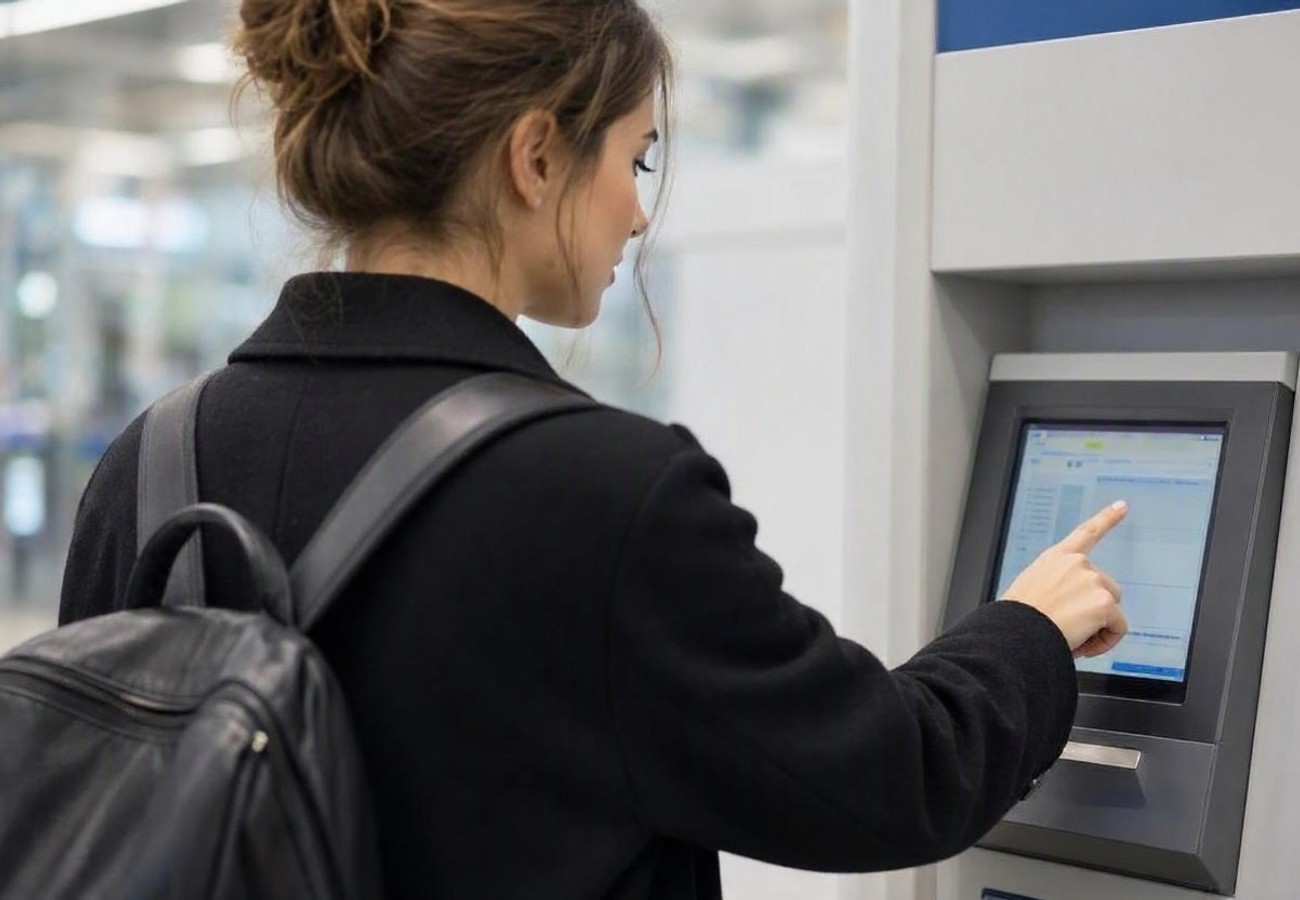
Image generated by AI
Are you planning a multi-city European itinerary involving France, Spain, or Italy? New pushes for digital visa platforms and biometric border controls are set to change how you enter the Schengen Area. While the World Travel & Tourism Council (WTTC) is urging these nations to accelerate the transition to a paperless system, travelers must currently navigate a landscape of shifting biometric requirements and a decline in the issuance of long-term permits.
The Shift Toward Digital and Biometric Borders
France, Spain, and Italy are currently under pressure to modernize their tourist entry protocols. The primary goal is to reduce the reliance on physical embassy appointments and paper-based documentation, moving instead toward a fully integrated digital Schengen visa platform. This shift is particularly targeted at increasing accessibility for travelers from Southeast Asia, India, and the Middle East.
Alongside digital applications, the European Union is deploying the Entry/Exit System (EES), a biometric border mechanism. Unlike traditional passport stamping, the EES will record the entry and exit of non-EU nationals using biometric identifiers. This system is designed to monitor the duration of stay more accurately and automate the verification of travel documents at major gateways.
Schengen Visa Issuance Trends
A significant point of concern for frequent travelers is the availability of multiple-entry visas. Recent data indicates a sharp decline in the flexibility of these permits compared to pre-pandemic levels.
| Metric | 2019 Statistics | Recent Annual Tallies | Change |
|---|---|---|---|
| Multiple-Entry Visas Issued | ~8.5 Million (est.) | 5.3 Million | ~40% Decrease |
| Share of Total Visas | 59% | 51.7% | -7.3% |
| Primary Target Markets | Global | India, Middle East, SE Asia | Strategic Shift |
| Status | Standard Procedure | Under Reform Push | Transitioning |
Traveler Logistics Guide
If you are coordinating a trip through the Schengen zone in 2026, follow these step-by-step logistics to avoid border delays.
1. Determine Your Primary Entry Point You must apply for your visa through the consulate of the country where you will spend the most time. If your time is split equally between France, Spain, and Italy, apply via the country of your first point of entry. Check the official Schengen Visa guidelines to confirm the correct jurisdiction.
2. Manage Your Biometric Registration When arriving at hubs like Paris Charles de Gaulle (CDG), Madrid-Barajas (MAD), or Rome Fiumicino (FCO), you will encounter EES kiosks.
- Preparation: Ensure your passport is biometric-compliant.
- Process: Be prepared for digital fingerprinting and facial scanning upon first entry.
- Strategy: Allow an extra 60 to 90 minutes for immigration during peak travel seasons, as automated gates may have queues for first-time EES registrants.
3. Verify Visa Entry Type Do not assume a visa allows unlimited travel. Check your visa sticker for:
- Number of Entries: "01" (Single), "02" (Double), or "MULT" (Multiple).
- Duration of Stay: The specific number of days you are permitted to remain in the zone.
- Validity Window: The start and end dates during which the visa is active.
4. Documentation Backup Despite the move toward digital platforms, border officers still frequently request physical proof of:
- Return or onward flight bookings.
- Proof of accommodation (hotel vouchers or invitation letters).
- Valid travel insurance covering the entire Schengen area.
Regional Connectivity Impact
The push for a "trusted traveler" framework would fundamentally reshape how high-frequency business travelers move between European capitals. If implemented, this would allow verified individuals to bypass standard queues using common recognition procedures across all EU member states.
For those traveling from emerging markets in Asia and the Middle East, these reforms aim to make the "Grand Tour" of Europe—linking heritage sites in Italy, coastal cities in Spain, and urban centers in France—more viable. By reducing the friction of visa procurement and border crossing, the EU hopes to recapture the tourism volumes seen in 2019. However, until the digital platform is fully operational, the burden of appointment scheduling and document verification remains with the traveler.
FAQ: Schengen Transit 2026
Do I still need a passport stamp with the new EES? The Entry/Exit System (EES) is designed to replace manual passport stamping with a digital record of your entry and exit. However, always carry your physical passport as the primary legal identification document.
Can I use automated gates at all European airports? No. Access to automated gates depends on your nationality, age, and the specific technology deployed at that airport. Check with the airport authority or your airline before departure.
Will a digital visa eliminate the need for embassy visits? While the goal is to reduce in-person appointments, some applicants may still be required to visit a consulate for biometric data collection or interviews depending on their nationality and travel history.
Does a multiple-entry visa let me stay in Europe indefinitely? No. A multiple-entry visa allows you to enter and leave the zone several times, but you must still adhere to the "90/180 day rule," meaning you cannot stay more than 90 days in any 180-day period.
Plan for the digital shift, but pack for the paper reality.
Related Travel Guides
Disclaimer
This article is for informational and educational purposes only. It does not constitute legal, financial, or professional advice. While we strive to provide accurate and up-to-date information, travel policies, regulations, and conditions change rapidly. Always verify information with official sources before making travel decisions. Nomad Lawyer makes no representations about the accuracy, reliability, completeness, or suitability of the information provided. Readers should consult qualified professionals for advice specific to their circumstances. The views expressed in this article are those of the author and do not necessarily reflect the views of Nomad Lawyer.
Preeti Gunjan
Contributor & Community Manager
A passionate traveller and community builder. Preeti helps grow the Nomad Lawyer community, fostering engagement and bringing the reader experience to life.
Learn more about our team →