Germany Christmas Markets Target 170 Million Visits as Winter Travel Security Tightens

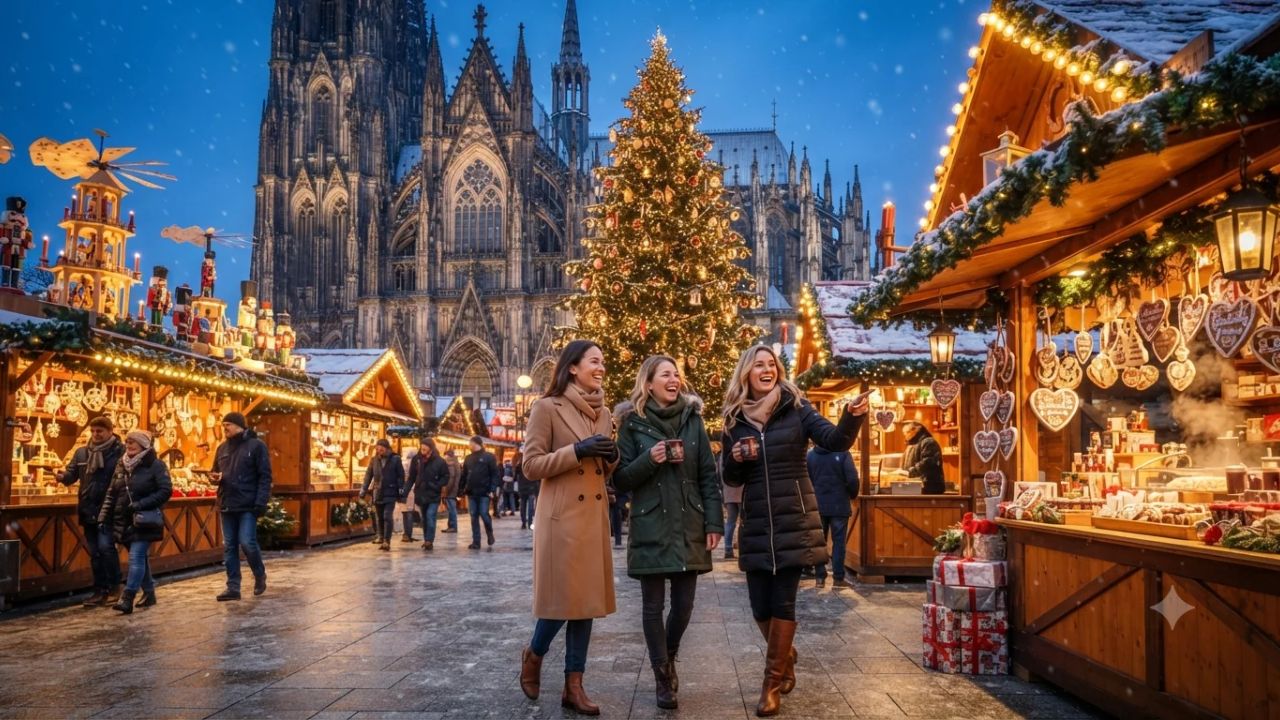
Germany’s historic winter tourism sector is preparing for an unprecedented seasonal influx as municipal authorities and the German Showmen’s Association (Deutscher Schaustellerbund e.V., DSB) project approximately 170 million visits across 3,250 Christmas markets nationwide throughout the 2026 festive period. Representing more than €4 billion in direct gross economic turnover, these open-air seasonal gatherings—anchored by historic venues in Berlin, Munich, Cologne, Nuremberg, and Dresden—serve as a cornerstone of the German hospitality, retail, and transportation economies during the late autumn and winter quarters. Concurrently, state interior ministries and federal law enforcement agencies are implementing multi-layered public safety architectures, reinforcing crowded urban plazas with perimeter protection, plainclothes patrols, and synchronized crowd-monitoring protocols to ensure safe cultural exploration for millions of international and domestic visitors.
The 2026 holiday travel season arrives against a backdrop of steady momentum across the broader German visitor economy. Preliminary national accounting published on November 11, 2026, by the Federal Statistical Office (Destatis) indicates that German commercial lodging establishments registered a record 389.8 million overnight stays between January and September 2026, reflecting a 0.6 percent expansion year-on-year. International traveler volume grew at an even swifter pace, climbing 1.5 percent to 65.0 million overnight stays over the nine-month window, led by a sharp 4.8 percent surge in inbound foreign visitor nights during September alone. As central European air routes and Deutsche Bahn's Intercity-Express (ICE) passenger rail networks adjust to concentrated holiday demand, Germany's traditional Weihnachtsmärkte are driving substantial economic value through regional supply chains, independent craft cooperatives, and downtown merchant districts.
Balancing centuries-old cultural preservation with modern public safety requirements has emerged as the defining operational priority for municipal organizers in 2026. Following high-profile historical incidents in Berlin and Magdeburg, German state authorities are deploying visible and discrete protective measures designed to mitigate emerging public safety concerns without eroding the festive warmth and community character that define German Advent traditions. From the illuminated timber chalets beside Cologne Cathedral to the fourteenth-century roots of Munich's Marienplatz and the community-run lanes of Berlin's Alt-Rixdorf, international travelers are encountering a seasonal festival landscape where cultural heritage, operational diligence, and travel convenience intersect.
| Macro Festive Dimension | 2026 National Benchmark / Operating Metric | Source / Institutional Authority | Strategic Travel & Economic Significance |
|---|---|---|---|
| Projected Market Visits | ~170 million annual visits | German Showmen’s Association (DSB) | Primary driver of European winter holiday tourism |
| Active Festive Markets | ~3,250 verified markets nationwide | DSB Industry Research Survey (n=1,011) | Broad geographical distribution across cities and rural villages |
| Direct Gross Turnover | Exceeds €4.0 billion | German Showmen’s Association (DSB) | Vital revenue stream for independent artisans, food stalls, and retail |
| Jan–Sept Total Overnights | 389.8 million overnight stays (+0.6% YoY) | Federal Statistical Office (Destatis) | All-time national record for the nine-month period |
| International Overnights | 65.0 million overnight stays (+1.5% YoY) | Federal Statistical Office (Destatis) | Strong rebound in long-haul overseas and European leisure travel |
| September Foreign Growth | +4.8% international overnight stays | Destatis Monthly Hospitality Bulletin | Strong autumn demand leading directly into the Advent season |
| Munich Market Footfall | ~3.2 million visitors (2025 benchmark) | Munich Department of Labor and Economic Development | Massive economic anchor for Bavarian hotels and transport |
| Berlin Capital Network | 80+ distinct Christmas markets | Visit Berlin / Berlin Senate Chancellery | Extended holiday dates stretching into early January 2027 |
| Cologne Cathedral Stalls | 120+ stalls, 100+ free cultural events | Kölner Weihnachtsgesellschaft mbH | Combines UNESCO heritage tourism with 50,000-LED illumination |
| Security Architecture | Multi-tier zoning, perimeter protection, plainclothes units | State Ministries of the Interior / Federal Police | Heightened safety diligence without intrusive disruption |
The Multi-Billion-Euro Economic Engine of German Advent
Germany’s Christmas markets represent far more than charming community gatherings; they function as a multi-billion-euro commercial engine that invigorates small and medium-sized enterprises (SMEs) during an otherwise sluggish period in the European retail and tourism calendar. According to empirical survey data released by the German Showmen’s Association (DSB), which analyzed input from 1,011 market stallholders, festival organizers, and trade representatives, the nationwide market circuit generates over €4 billion in direct gross sales each winter.
Economic Impact Distribution of Germany's Christmas Markets:
┌─────────────────────────────────────────────────────────────┐
│ DIRECT FESTIVE TURNOVER: €4.0+ BILLION                      │
│ - 3,250 Markets Operating Nationwide Across 16 Federal States│
│ - 170 Million Aggregate Customer Footfall & Visits          │
└──────────────────────────────┬──────────────────────────────┘
                               │
               ┌───────────────┴───────────────┐
               ▼                               ▼
┌──────────────────────────────┐ ┌────────────────────────────┐
│ PRIMARY FESTIVE VENDORS      │ │ ANCILLARY TOURISM WINDFALL │
│ - Artisan Woodcraft & Glass  │ │ - City-Center Hotel Stays  │
│ - Regional Food & Confection │ │ - Rail & Aviation Tickets  │
│ - Glühwein & Beverage Trade  │ │ - Urban Dining & Shopping  │
│ - Fairground Rides & Stages  │ │ - Cultural Museum Visits   │
└──────────────────────────────┘ └────────────────────────────┘
The commercial ecosystem surrounding a typical Christmas market extends across several economic tiers:
- Showmen and Stallholders (Schausteller): Thousands of family-owned operators depend on the four-to-six-week Advent trading window for a substantial portion of their annual operating margin. These vendors contract local timber carpenters, electrical engineers, and artisan decorators, cycling capital back into municipal economies.
- Local Food and Agricultural Producers: From Franconian bratwurst and roasted chestnuts to organic honey, regional gingerbread (Lebkuchen), and spiced mulled wine (Glühwein), vendors source hundreds of metric tons of raw agricultural goods from domestic farms and regional vintners.
- Urban Hospitality and Retail Spillover: Destination marketing organizations report that for every euro spent at a market stall, visitors spend an estimated additional €1.50 to €2.50 across surrounding retail shopping arcades, sit-down restaurants, city museums, and local transport networks.
- Hotel Occupancy and Weekend Stays: Urban centers witness peak occupancy rates across November and December weekends, with three-to-five-star properties in central Berlin, Munich, Cologne, and Hamburg achieving premium average daily rates (ADR) on par with midsummer peaks.
Winter Travel Safety Architecture: Balancing Diligence and Accessibility
Preserving public safety within high-density pedestrian environments is the top operational objective for municipal administrations, state interior ministries, and the Federal Police (Bundespolizei). German public safety strategies have been profoundly shaped by past incidents, notably the 2016 vehicle attack at Berlin's Breitscheidplatz and the 2024 incident in Magdeburg. For the 2026 festive season, authorities have refined an adaptable, intelligence-led safety architecture that prioritizes proactive risk mitigation while preserving an open, inviting atmosphere.
Multi-Layered Urban Event Safety Architecture (2026):
┌─────────────────────────────────────────────────────────────┐
│ 1. OUTER PERIMETER: Physical Vehicle Access Barriers        │
│    - Certified mobile bollards, water barriers, & deflectors│
│    - Dedicated emergency vehicle entry corridors             │
├─────────────────────────────────────────────────────────────┤
│ 2. TRANSIT GATEWAYS: Elevated Railway & Metro Surveillance  │
│    - Federal Police patrols at central stations (*Hauptbahnhof*)│
│    - High-density CCTV coverage and crowd-flow management    │
├─────────────────────────────────────────────────────────────┤
│ 3. INNER EVENT PLAZAS: Mixed-Unit Security & Visible Presence│
│    - Uniformed state police squads with tactical capabilities│
│    - Plainclothes observation teams tracking petty crime     │
│    - Private event stewards executing random bag inspections │
├─────────────────────────────────────────────────────────────┤
│ 4. EMERGENCY READINESS: Synchronized Communications Grid    │
│    - Direct radio link between stall marshals and police    │
│    - On-site paramedic stations and clearly designated exits│
└─────────────────────────────────────────────────────────────┘
Precautionary Status vs. Concrete Threats
On November 20, 2026, the State Parliament of Baden-Württemberg published an official assessment detailing heightened security preparations across southwestern German markets, including Stuttgart, Heidelberg, and Freiburg. Significantly, state security officials affirmed that the implementation of enhanced protective protocols reflected standard operational prudence rather than any specific, verified intelligence indicating an imminent threat to festive venues.
Travelers are urged to recognize that visible security deployments—such as concrete vehicle arrest systems, mobile police information booths, and random backpack checks—are precautionary structural defenses designed to deter disruption and ensure emergency vehicle ingress.
Mitigating Opportunistic Petty Theft
While counter-terrorism protocols operate largely in the background, municipal police departments have intensified warnings regarding pickpocketing and opportunistic theft. In a dedicated safety bulletin issued on November 20, 2026, the Magdeburg Police Department highlighted that dense, shoulder-to-shoulder holiday crowds, dim atmospheric evening lighting, and visitor distraction around food stalls create optimal conditions for organized pickpocket rings.
Authorities urge visitors to carry only essential payment instruments, store wallets in zipped internal jacket pockets, and remain conscious of physical proximity in bottleneck zones around entrances and beverage counters.
| Security Dimension | Operational Implementation | Traveler Recommendation |
|---|---|---|
| Vehicle Barriers | Solid crash-tested bollards and heavy vehicle blocks | Keep designated emergency access lanes clear at all times |
| Baggage Policies | Prohibitions on oversized luggage and bulky backpacks | Carry compact daypacks; utilize station luggage lockers |
| Police Presence | Mixed teams of uniformed and plainclothes officers | Cooperate promptly with random identification or bag checks |
| Emergency Contacts | Centralized dispatch linking 110 (Police) and 112 (Rescue) | Memorize primary emergency numbers; identify on-site medical posts |
| Crowd Dispersal | Monitored choke points and wide pedestrian lanes | Note emergency exit paths upon entering market enclosures |
Berlin: The Capital's Diverse Network of Over 80 Markets
As Germany’s sprawling cultural capital, Berlin presents the country’s most diverse festive calendar, operating more than 80 authorized Christmas markets spanning historic royal squares, contemporary waterfront developments, and neighborhood community hubs. A distinguishing feature of Berlin’s festive landscape is its temporal endurance: while many regional German markets conclude operations promptly on Christmas Eve, several prominent Berlin attractions extend operations through New Year’s Eve and into the first week of January 2027.
Berlin's Major Festive Venues and Operational Schedules (2026–2027):
┌─────────────────────────────────────────────────────────────┐
│ GENDARMENMARKT (Winter World at Bebelplatz)                 │
│ - Dates: November 23 – December 31, 2026                    │
│ - Setting: Flanked by St. Hedwig’s Cathedral & State Opera  │
│ - Character: High-end woodcraft, glassblowing, fine dining │
├─────────────────────────────────────────────────────────────┤
│ ROTES RATHAUS (Berliner Weihnachtszeit near City Hall)       │
│ - Dates: November 23, 2026 – January 3, 2027                │
│ - Setting: Surrounding Neptune Fountain and Historic Arcade │
│ - Highlights: 50-meter panoramic Ferris wheel, ice rink     │
├─────────────────────────────────────────────────────────────┤
│ HUMBOLDT FORUM (Winter Market at the Palace)                │
│ - Dates: November 18, 2026 – January 3, 2027                │
│ - Setting: Inner courtyards of the rebuilt Berlin Palace    │
│ - Highlights: LED light projections, artisan design stalls  │
├─────────────────────────────────────────────────────────────┤
│ ALEXANDERPLATZ (Commercial Festive Hub)                     │
│ - Dates: November 23 – December 26, 2026                    │
│ - Setting: Central transport interchange under the TV Tower │
│ - Highlights: Multi-tier Christmas pyramid, vibrant stalls  │
├─────────────────────────────────────────────────────────────┤
│ SPANDAU OLD TOWN (Historic Western Outpost)                 │
│ - Dates: November 23 – December 22, 2026                    │
│ - Setting: Cobblestone streets of medieval Spandau core     │
│ - Highlights: Family-oriented crafts, traditional brass bands│
└─────────────────────────────────────────────────────────────┘
Highlights of Key Berlin Venues
- Gendarmenmarkt (Bebelplatz): Widely regarded as Berlin’s most sophisticated market, the event continues its temporary residency at nearby Bebelplatz while comprehensive restoration work progresses on the Gendarmenmarkt square itself. Sheltered beneath expansive heated tents and framed by the State Opera Unter den Linden and Humboldt University, master woodcarvers, goldsmiths, and culinary artisans present museum-grade crafts alongside gourmet dining.
- Berliner Weihnachtszeit at the Rotes Rathaus: Situated between the historic municipal city hall and the TV Tower (Fernsehturm), this market features early-twentieth-century facade reconstructions, a 600-square-meter circular ice-skating track encircling the historic Neptune Fountain, and a 50-meter giant Ferris wheel affording panoramic vistas across central Berlin.
- Humboldt Forum Winter Market: Blending modern architectural majesty with seasonal festivity, this market activates the vast courtyards of the reconstructed Berlin Palace. Open through January 3, 2027, it caters to international museum visitors seeking sustainable artisan goods and seasonal refreshments following gallery exhibitions.
Community-Led Heritage: Alt-Rixdorfer Weihnachtsmarkt in Neukölln
In sharp contrast to the high-throughput commercial markets of central Berlin, the Alt-Rixdorfer Weihnachtsmarkt in the southern borough of Neukölln exemplifies authentic, community-driven festive tourism. Taking place across a single concentrated weekend—from December 4 through December 6, 2026—the market transforms historic Richardplatz, a former eighteenth-century Bohemian weaver settlement, into a candlelit village retreat.
Profile: Alt-Rixdorfer Weihnachtsmarkt (Neukölln, Berlin):
┌─────────────────────────────────────────────────────────────┐
│ DATES & OPERATING HOURS (DECEMBER 4–6, 2026):               │
│ - Friday, Dec 4: 5:00 PM – 9:00 PM                          │
│ - Saturday, Dec 5: 2:00 PM – 9:00 PM                        │
│ - Sunday, Dec 6: 2:00 PM – 8:00 PM                          │
│ - Admission: Completely Free of Charge                      │
├─────────────────────────────────────────────────────────────┤
│ DISTINCTIVE CHARACTERISTICS:                                │
│ - Illumination: Exclusively kerosene/paraffin lanterns      │
│ - Stalls: ~200 stalls operated solely by non-profit groups  │
│ - Proceeds: Direct funding for local charities & youth clubs│
│ - Crafts: Hand-knitted woolens, woodcrafts, homemade jams   │
├─────────────────────────────────────────────────────────────┤
│ TRANSPORT CONNECTIONS:                                      │
│ - Berlin U-Bahn: Line U7 to Karl-Marx-Straße Station         │
│ - Berlin S-Bahn: Lines S41/S42 Ringbahn to Neukölln Station │
└─────────────────────────────────────────────────────────────┘
The Power of Charitable Holiday Tourism
What distinguishes Alt-Rixdorf from other European markets is its steadfast commitment to social responsibility and historic authenticity:
- Zero Commercial Retailers: The roughly 200 stalls are operated exclusively by charitable associations, civic initiatives, local schools, and social foundations based in Berlin. All revenues generated from the sale of regional honey, hot cider, waffles, and wooden toys flow directly into community welfare projects, disability support services, and neighbourhood development programs.
- Kerosene Lantern Lighting: Electric lighting strings and neon displays are strictly banned across Richardplatz. As twilight descends, the entire square is illuminated by hundreds of antique paraffin and kerosene storm lanterns, casting a soft, nostalgic glow over the preserved historic blacksmith shop (Schmiede) and village church.
- Pedestrian Accessibility: The market is easily accessed via Berlin's public transport system, located just a five-minute walk from the Karl-Marx-Straße station on U-Bahn line U7, making it a favorite for culturally conscious international travelers.
Munich: Seven Centuries of Bavarian Tradition at Marienplatz
In Bavaria, festive celebrations are anchored by the Munich Christkindlmarkt, an institution whose documented lineage extends back to the fourteenth-century Saint Nicholas markets (Nikolausmärkte) held on the Kaufingergasse. Spread across the expansive expanse of Marienplatz and spilling into adjacent pedestrian promenades, the 2026 edition hosts 138 officially authorized retail and culinary stalls operating from November 20 through Christmas Eve, December 24.
Munich Christkindlmarkt Operational Dimensions (2026):
┌─────────────────────────────────────────────────────────────┐
│ OPERATING SCHEDULE: November 20 – December 24, 2026         │
│ - Monday through Saturday: 10:00 AM – 9:00 PM               │
│ - Sunday: 10:00 AM – 8:00 PM                                │
│ - Christmas Eve (Dec 24): 10:00 AM – 2:00 PM (Early Closure)│
├─────────────────────────────────────────────────────────────┤
│ VERIFIED SCALE & ECONOMIC FOOTPRINT:                        │
│ - Authorized Stalls: 138 traditional timber booths          │
│ - Historical Attendance: 3.2 million recorded visits (2025) │
│ - Prior Benchmark: 3.1 million recorded visits (2024)       │
├─────────────────────────────────────────────────────────────┤
│ CULTURAL HIGHLIGHTS:                                        │
│ - Giant Christmas Tree: ~30-meter alpine spruce with 3,000+ │
│   energy-efficient glowing candles before the New Town Hall │
│ - Traditional Krampus Run: Scheduled for December 13, 2026  │
│ - Daily Advent Balcony Concerts from the Neues Rathaus      │
└─────────────────────────────────────────────────────────────┘
The Festive Centerpiece and Alpine Folklore
Munich’s market centers on the towering alpine fir erected directly in front of the neo-Gothic facade of the New Town Hall (Neues Rathaus). Lit by more than 3,000 warm lights, the tree frames evening performances by brass ensembles and alpine choirs performing from the Town Hall balcony.
A major highlight of the Bavarian calendar is the biennial Krampus Procession (Krampuslauf), scheduled for the afternoon of December 13, 2026. Over 300 participants dressed in hand-carved archaic wooden masks, heavy sheepskin pelts, and clattering iron cowbells parade through the pedestrian zone, reviving a 500-year-old mythological alpine tradition that draws tens of thousands of international onlookers.
Transit Integration at Marienplatz
Positioned directly above Munich's primary rapid-transit hub, the Christkindlmarkt offers exceptional accessibility. Travelers can disembark from all major suburban train lines (S-Bahn S1 through S8, connecting directly to Munich Airport) and underground metro lines (U-Bahn U3 and U6) directly beneath the market square, eliminating the need for city-center automobile transit.
Cologne: Cathedral Tourism and Illumination Spectacle
In the western Rhineland, the Cologne Christmas Market at Roncalliplatz delivers one of Europe’s most visually breathtaking urban winter experiences. Situated directly beneath the towering twin spires of the UNESCO World Heritage-listed Cologne Cathedral (Kölner Dom), the market operates from November 16 through December 23, 2026.
Cologne Cathedral Christmas Market Specifications (2026):
┌─────────────────────────────────────────────────────────────┐
│ OPERATING CALENDAR: November 16 – December 23, 2026         │
│ - Sunday to Wednesday: 11:00 AM – 9:00 PM                   │
│ - Thursday and Friday: 11:00 AM – 10:00 PM                  │
│ - Saturday: 10:00 AM – 10:00 PM                             │
├─────────────────────────────────────────────────────────────┤
│ ARCHITECTURAL & ILLUMINATION METRICS:                       │
│ - Natural Centerpiece: 25-meter Nordmann fir from the Eifel │
│ - Light Canopy: ~50,000 brilliant LED lights overhead       │
│ - Stall Configuration: 120+ master artisan timber chalets   │
├─────────────────────────────────────────────────────────────┤
│ COMPLIMENTARY CULTURAL ENTERTAINMENT:                       │
│ - Stage Performances: Over 100 free musical & choral acts   │
│ - 2026 Expansions: New elevated observation terrace,        │
│   dedicated children's carousel, & historical mini-market   │
├─────────────────────────────────────────────────────────────┤
│ TRANSIT CONVENIENCE:                                        │
│ - Adjacent to Köln Hauptbahnhof (Central Railway Station)   │
│ - Direct high-speed ICE, Thalys/Eurostar, & regional links │
└─────────────────────────────────────────────────────────────┘
The Canopy of Light and Artisan Craftsmanship
The visual identity of Cologne's cathedral market is defined by its massive star-shaped light tent. Originating from the top of a 25-meter Nordmann fir sourced from the nearby Eifel mountains, roughly 50,000 warm-white LED lights cascade downward across more than 120 artisan chalets, creating an illuminated canopy that bathes Roncalliplatz in a golden festive glow.
The market enforces strict jury-selection criteria for stallholders, giving priority to certified organic food purveyors, glassblowers from Thuringia, woodturners from the Black Forest, and regional confectioners producing authentic Cathedral-shaped spekulatius biscuits.
For 2026, the organizer (Kölner Weihnachtsgesellschaft) introduced an elevated Observation Terrace permitting visitors to capture unobstructed panoramic photographs of the cathedral facade framed by the illuminated canopy, alongside an expanded miniature market zone dedicated to interactive children's crafts and puppet theaters.
Strategic Railway Advantage
Cologne’s market benefits from unmatched transportation geography. Located less than 100 meters from the exit portals of Köln Hauptbahnhof, the venue allows international rail travelers arriving from Brussels, Amsterdam, Paris, or Frankfurt on high-speed ICE and Eurostar services to step directly from their train platform into the festive market grounds within two minutes.
Macro Tourism Performance: Germany’s Record 2026 Lodging Backdrop
The massive public interest in the 2026 Christmas market season builds upon a sustained recovery across the German commercial accommodation sector. Official macroeconomic data published by the Federal Statistical Office (Destatis) on November 11, 2026, confirms that the country recorded its strongest nine-month tourism performance on record.
Germany Tourism Accommodation Metrics (January–September 2026):
Total Overnight Stays:    [========================================] 389.8 Million (+0.6% YoY)
Domestic Guest Stays:     [=================================] 324.7 Million (+0.4% YoY)
International Overnights: [======] 65.0 Million (+1.5% YoY)

September 2026 Inbound Growth Driver:
Foreign Overnight Stays:  [========] 8.1 Million (+4.8% YoY Surge!)
Domestic Overnight Stays: [==============================] 40.8 Million (Stable YoY)
Destatis Lodging Breakdown
Between January and September 2026, German hotels, guesthouses, and vacation accommodations logged 389.8 million overnight stays, surpassing previous historical benchmarks. While domestic leisure and business travel provided a stable foundation of 324.7 million stays (+0.4 percent), the growth momentum was driven by international inbound travelers, who contributed 65.0 million overnight bookings (+1.5 percent).
| Time Horizon / Tourist Segment | Total Overnights (Millions) | Year-on-Year Growth Rate (%) | Primary Market Drivers |
|---|---|---|---|
| Jan–Sept Total Overnights | 389.8 M | +0.6% | Record nine-month total across 16 federal states |
| Jan–Sept Domestic Stays | 324.7 M | +0.4% | Resilient corporate conferences and regional holidays |
| Jan–Sept International Stays | 65.0 M | +1.5% | Rebound in North American and Asian long-haul arrivals |
| September Total Overnights | 48.9 M | +0.8% | Strong late-summer business and cultural festival volume |
| September Domestic Stays | 40.8 M | Unchanged (0.0%) | Steady baseline domestic commercial travel |
| September Foreign Stays | 8.1 M | +4.8% | Significant late-season inbound tourism spike |
The robust 4.8 percent increase in international overnight stays recorded in September 2026 served as a leading indicator of foreign holiday interest, signaling healthy international leisure demand heading directly into the November and December festive travel peak.
Aviation and Rail Infrastructure: Accessing the Markets
International and intercity travelers navigating Germany's festive market network rely heavily on coordinated aviation and high-speed rail corridors. However, aviation operations across Germany's major hubs revealed marked regional divergence during November 2026, according to scheduled flight tracking data compiled by the German Aerospace Center (Deutsches Zentrum für Luft- und Raumfahrt, DLR).
November 2026 Scheduled Aircraft Departures at Key Gateways (DLR Data):
Frankfurt Airport (FRA):      [====================] 15,104 Departures (−9.2% YoY)
Munich Airport (MUC):         [==============] 10,883 Departures (−8.2% YoY)
Berlin Brandenburg (BER):     [========] 6,444 Departures (−4.6% YoY)
Düsseldorf Airport (DUS):     [======] 5,206 Departures (+0.8% YoY)
Cologne Bonn Airport (CGN):   [===] 2,185 Departures (+7.0% YoY!)
Airport Connectivity Dynamics
The aviation data underscores that international visitors must examine specific flight schedules rather than assuming uniform air capacity growth across Germany:
- Cologne Bonn Airport (CGN): Outperformed other major hubs with a 7.0 percent year-on-year increase in scheduled departures (2,185 flights), reflecting strong low-cost carrier (LCC) seat supply and point-to-point seasonal city-break bookings into North Rhine-Westphalia.
- Düsseldorf Airport (DUS): Maintained positive expansion (+0.8 percent, 5,206 departures), serving as a vital secondary entry point for Rhine-Ruhr Christmas markets.
- Munich (MUC) and Berlin (BER): Contracted by 8.2 percent (10,883 departures) and 4.6 percent (6,444 departures) respectively, influenced by airline network consolidations and high domestic aviation taxation. Despite these scheduled flight declines, both hubs continue to offer comprehensive long-haul transatlantic and Gulf carrier connections.
- Frankfurt Airport (FRA): As Germany’s primary global hub, Frankfurt handled 15,104 scheduled departures (−9.2 percent), providing international transfers onto Deutsche Bahn’s high-speed rail lines via the integrated Frankfurt Airport Long-Distance Station (Fernbahnhof).
Intercity Railway Synergies via Deutsche Bahn
Because Germany's primary festive markets are linked by high-speed rail lines, travelers can plan multi-city itineraries without renting vehicles or booking domestic flights:
- Berlin to Munich: Deutsche Bahn's ICE Sprinter connects Berlin Hauptbahnhof to Munich Hauptbahnhof in under four hours via the high-speed Nuremberg-Erfurt corridor.
- Frankfurt to Cologne: High-speed ICE trains traverse the dedicated Frankfurt-Cologne corridor in just 48 minutes, depositing travelers directly beside Cologne Cathedral.
- Munich to Nuremberg: Regional and ICE services link the Bavarian capital with the world-famous Nuremberg Christkindlesmarkt in approximately one hour.
Practical Traveler Guide: Planning a Smooth Christmas Market Tour
To maximize enjoyment and avoid common logistical pitfalls while exploring Germany's Christmas markets, international visitors should incorporate several practical operating conventions into their daily planning:
VISITOR LOGISTICS CHECKLIST:
┌─────────────────────────────────────────────────────────────┐
│ 1. CASH AND PAYMENT METHODS:                                │
│    - Carry physical Euro cash (€20–€50 in small bills)      │
│    - Card/contactless acceptance is expanding but not total │
├─────────────────────────────────────────────────────────────┤
│ 2. THE "PFAND" MUG DEPOSIT SYSTEM:                          │
│    - Glühwein mugs require a €3 to €5 deposit (*Pfand*)     │
│    - Return the mug to recover deposit, or keep as souvenir │
├─────────────────────────────────────────────────────────────┤
│ 3. TIMING STRATEGIES & CROWD AVOIDANCE:                     │
│    - Visit between 11:00 AM and 3:30 PM for relaxed shopping│
│    - Peak crowds occur Friday and Saturday from 5:30 PM on  │
├─────────────────────────────────────────────────────────────┤
│ 4. WINTER COMFORT & FOOTWEAR:                               │
│    - Cobblestones absorb ground chill; wear insulated boots │
│    - Thermal layered clothing, wool beanies, and gloves     │
├─────────────────────────────────────────────────────────────┤
│ 5. EMERGENCY CONTACT PROTOCOLS:                             │
│    - Police Emergency: Dial 110                             │
│    - Medical / Fire Emergency: Dial 112                     │
└─────────────────────────────────────────────────────────────┘
The Pfand (Deposit) System Explained
When ordering mulled wine (Glühwein), spiced punch (Punsch), or hot cocoa at any German market, the stall will charge the beverage price plus a mug deposit (Pfand), typically ranging from €3.00 to €5.00 per ceramic cup. Each market and city creates unique, dated, ceramic souvenir mugs featuring colorful local artwork.
Upon finishing your drink, you have two choices:
- Return the mug with the plastic token (Wertmarke) to the vendor to receive your cash deposit back in full.
- Keep the collector's mug as an authentic, inexpensive souvenir of your German holiday.
Strategic Timing and Crowd Management
Popular markets in Munich, Cologne, and Berlin experience peak pedestrian density between 5:30 PM and 8:30 PM on Thursday, Friday, and Saturday evenings, when local office workers gather for post-work socializing.
Travelers seeking to inspect fine crafts, speak directly with master artisans, or capture photographs of decorative stalls should plan visits during weekday midday hours (11:30 AM to 3:00 PM). Midday exploration affords room to maneuver strollers, browse unhurriedly, and secure table seating at heated food pavilions before evening crowds arrive.
Frequently Asked Questions
How many Christmas markets operate across Germany in 2026?
According to industry research conducted by the German Showmen’s Association (DSB), approximately 3,250 Christmas markets operate across Germany during the 2026 holiday season, ranging from massive urban celebrations to intimate rural village markets.
What is the estimated total attendance and economic turnover of German Christmas markets?
The German Showmen’s Association projects approximately 170 million customer visits across all markets in 2026, generating an estimated direct gross turnover exceeding €4 billion, which supports thousands of independent artisans, transport operators, and hospitality businesses.
Are German Christmas markets safe to visit in 2026?
Yes. Federal and state law enforcement agencies have established comprehensive safety protocols, including physical vehicle barrier bollards, uniformed police patrols, plainclothes surveillance teams, and synchronized emergency dispatch. On November 20, 2026, authorities in Baden-Württemberg affirmed that security measures represent prudent standard precautions rather than responses to specific imminent threats.
What should travelers do to avoid pickpockets at crowded markets?
Following advice issued by the Magdeburg Police on November 20, 2026, visitors should carry only necessary cash and payment cards, store valuables in zippered interior coat pockets rather than open back pockets or loosely carried purses, avoid setting bags down unattended at food counters, and maintain heightened awareness in crowded entryways.
When does the Munich Christkindlmarkt close for the season?
The Munich Christkindlmarkt at Marienplatz operates from November 20 through Christmas Eve, December 24, 2026. On December 24, the market closes early at 2:00 PM to allow vendors and local families to celebrate Christmas Eve.
Which Christmas markets in Berlin remain open after Christmas Day?
Several major Berlin markets extend their seasons into early 2027:
- Gendarmenmarkt (Bebelplatz): Open through December 31, 2026.
- Berliner Weihnachtszeit at the Rotes Rathaus: Open through January 3, 2027.
- Humboldt Forum Winter Market: Open through January 3, 2027.
What makes the Alt-Rixdorfer Weihnachtsmarkt in Berlin unique?
The Alt-Rixdorfer Weihnachtsmarkt at Richardplatz in Neukölln operates for a single weekend (December 4–6, 2026). It features approximately 200 stalls operated exclusively by non-profit and charitable groups, relies entirely on antique kerosene and paraffin lanterns rather than electric lights, and directs all sales proceeds to community social causes.
What are the main features of the Cologne Cathedral Christmas Market?
Located at Roncalliplatz beneath Cologne Cathedral, the market runs from November 16 to December 23, 2026. Highlights include a 25-meter Nordmann fir, a canopy of 50,000 glowing LED lights, more than 120 certified craft chalets, over 100 free musical performances, and an elevated observation terrace introduced for 2026.
Do Christmas market stalls accept credit cards, or is cash required?
While contactless card and smartphone payments have become increasingly common, many traditional artisan, food, and beverage stalls remain cash-only or require cash for small transactions and mug deposits (Pfand). Travelers should always carry €20 to €50 in cash (preferably €5, €10, and €20 notes and coins).
How can travelers travel between Christmas markets in Berlin, Munich, and Cologne?
The most reliable and environmentally sustainable method is via Deutsche Bahn's Intercity-Express (ICE) rail network. High-speed trains directly link Berlin Hauptbahnhof, München Hauptbahnhof, and Köln Hauptbahnhof, connecting city centers without airport transit delays or winter highway congestion.
Related Travel Guides
- Munich Airport Deploys 540 Workers and 175 Vehicles for Winter Flight Safety - Discover how European hubs maintain 24/7 flight safety, snow clearing, and de-icing operations during adverse winter weather.
- South Africa Enriches Luxury Holiday Travel with Four Seasons Johannesburg Celebrations - Learn how luxury urban resorts partner with historic botanical estates for regenerative summer holiday tourism.
- Britain Ignites Global Travel Interest as Screen Tourism Fuels Regional Growth - Discover how film and television tourism generated £376 million and drove international visitors across the UK regions.
- airBaltic Faces a Major Financial Setback Despite Strong Revenue Growth - Examine how rising aviation fuel expenses, currency fluctuations, and restructuring plans affect European winter air corridors.
This article is for informational purposes. Flight routes, passenger regulations, visa rules, and transit advisories are subject to change by airlines and aviation authorities. Readers are advised to verify schedules and travel documentation with relevant carriers and border agencies before departure.
Related Stories
Asia’s Winter Tourism Boom: How Hokkaido, Seoul, Xinjiang, and Central Asia Are Redefining Cold-Weather Travel
United Kingdom Leads Europe's Christmas Tourism Rankings with Popular Winter Destinations