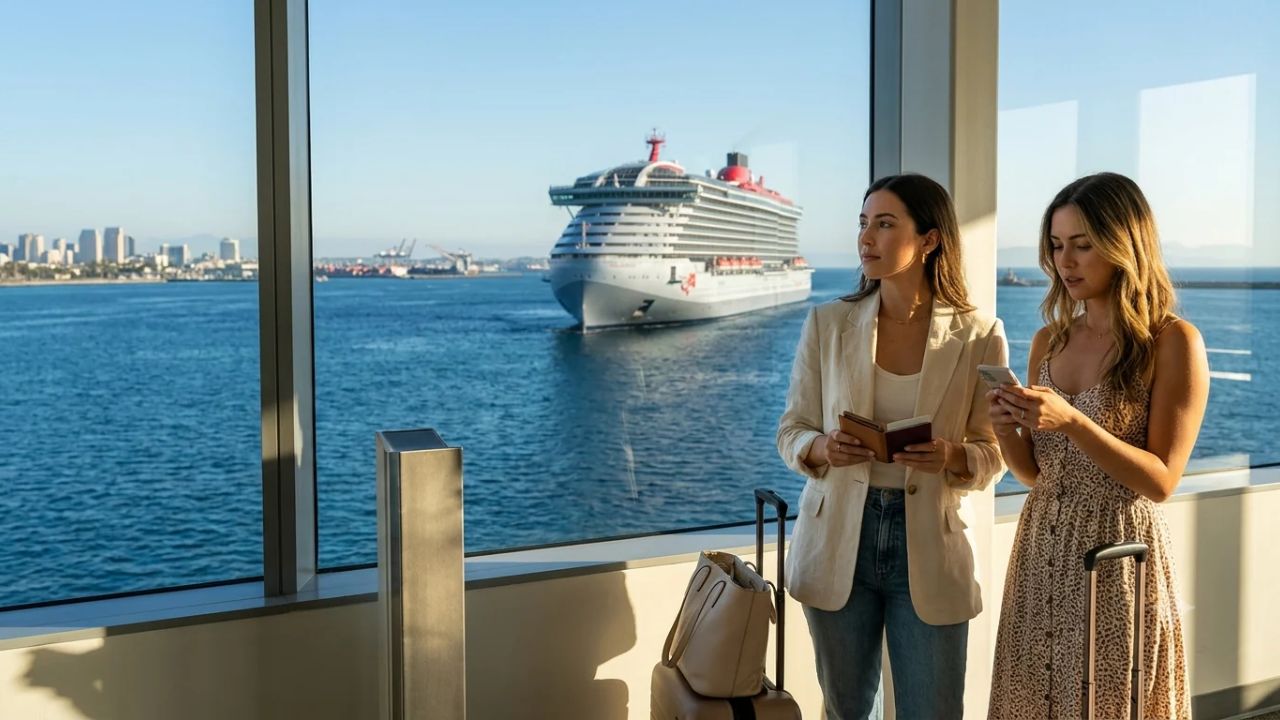
Genting Dream Returns From Singapore Drydock With New Southeast Asia Cruise Experiences for Travellers

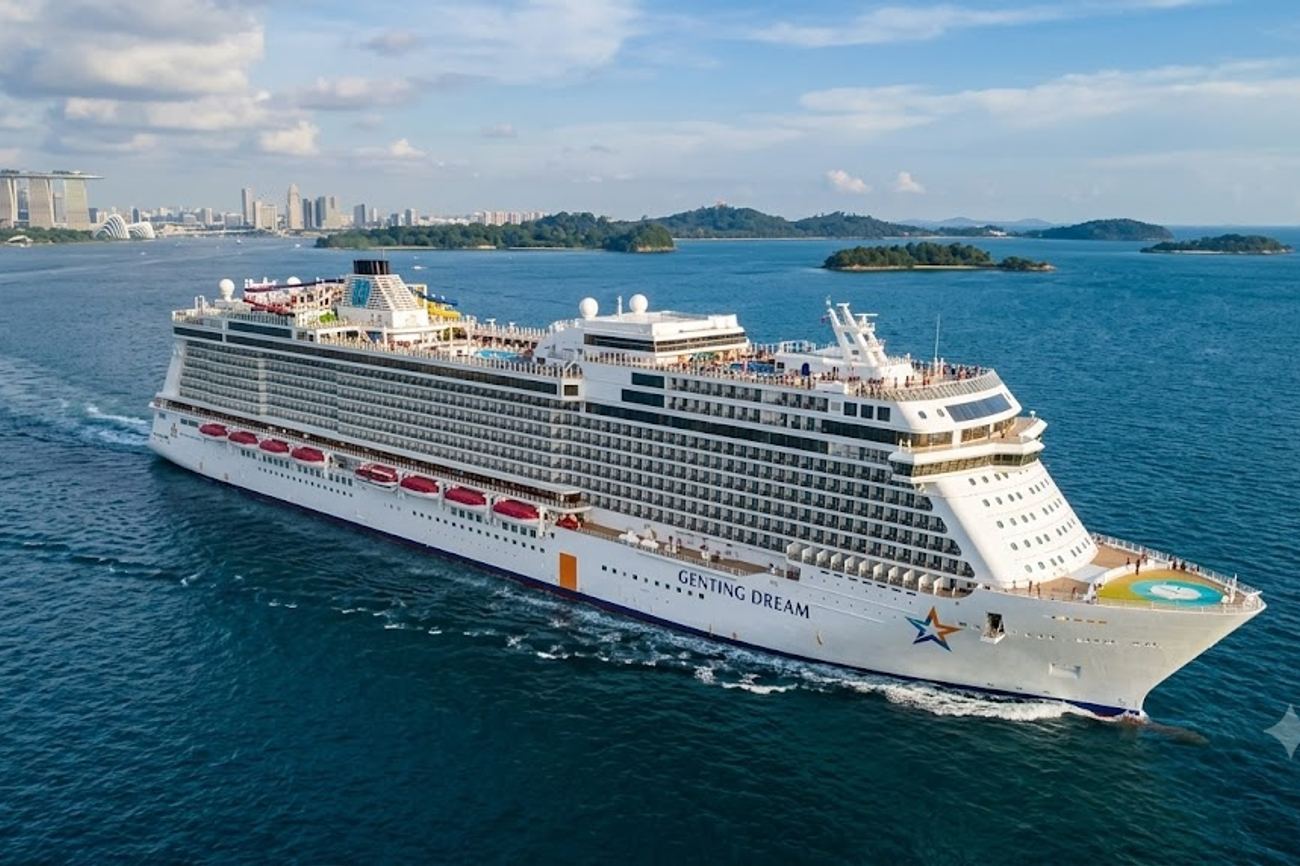
Image generated by AI
19 days of operational downtime for the Genting Dream, the flagship of the StarDream Cruises fleet, underscores the rigid maintenance cycles required to sustain high-capacity maritime tourism in Southeast Asia. This temporary suspension of service, which saw the vessel enter the Seatrium Tuas Shipyard in Singapore on September 6, 2026, and depart on September 25, 2026, highlights a critical intersection between luxury travel and industrial logistics. While the brief pause created immediate scheduling gaps for regional travelers, the return of this 2016-built vessel to the Marina Bay Cruise Centre signals a stabilization of the short-haul cruise market in the Asia-Pacific region.
The Logistics of Maritime Maintenance in Singapore
The temporary withdrawal of the Genting Dream from active service was not a sign of operational distress but a mandatory adherence to the lifecycle of large-scale cruise ships. For a vessel designed to carry approximately 3,400 guests, the physical toll of year-round deployment in tropical waters is significant. The choice of the Seatrium Tuas Shipyard reflects Singapore's strategic investment in maritime infrastructure, positioning the city-state not just as a passenger terminal, but as a primary technical hub for the International Maritime Organization (IMO) compliance standards.
Drydocking is the only window during which engineers can perform hull scrubbing, propeller maintenance, and statutory safety inspections that are impossible while the ship is afloat and occupied. By utilizing a local shipyard, StarDream Cruises minimizes the "dead-head" time—the period a ship spends traveling to a repair facility without generating revenue—thereby maximizing its presence in the lucrative Southeast Asian corridor.
Operational Data and Regional Reach
The Genting Dream serves as a floating bridge between Singapore and the diverse coastlines of Malaysia, Thailand, and Indonesia. The return to service on September 25, 2026, began with a two-night "cruise to nowhere," a common industry tactic used to test systems and crew readiness before resuming complex international itineraries.
The following data outlines the operational parameters of the vessel's current deployment:
| Operational Metric | Detail |
|---|---|
| Vessel Name | Genting Dream |
| Fleet Operator | StarDream Cruises |
| Launch Year | 2016 |
| Passenger Capacity | ~3,400 guests |
| Primary Hub | Marina Bay Cruise Centre, Singapore |
| Maintenance Window | Sept 6, 2026 – Sept 25, 2026 |
| Maintenance Site | Seatrium Tuas Shipyard |
| Service Horizon | Scheduled through late April 2027 |
The vessel's itinerary is specifically engineered to capture the "micro-cation" market, offering a spectrum of voyage lengths that cater to different demographic needs:
- Weekend Escapes: Two-night voyages designed for the regional workforce.
- Regional Explorations: One- to five-night cruises targeting short-term tourists.
- Multi-Destination Circuits: Extended itineraries connecting major ports including Melaka, Penang, and Port Klang in Malaysia; Phuket in Thailand; and Lombok and Bali in Indonesia.
Expert Analysis: The "Hub-and-Spoke" Maritime Strategy
For the sophisticated traveler, the Genting Dream's schedule is a case study in the "hub-and-spoke" model of tourism. By anchoring the ship in Singapore—a city with world-class aviation connectivity—StarDream Cruises creates a seamless transition for international arrivals to pivot into regional exploration without the friction of multiple flights and hotel transfers.
The direct consequence of this strategy is a reduction in "travel friction." Instead of navigating the disparate visa and transport requirements of four different countries individually, passengers utilize the ship as a mobile base. This creates a pricing pressure on traditional regional airlines; when a cruise provides transport, lodging, and sightseeing in one bundled price, the value proposition shifts away from the flight-and-hotel model.
Furthermore, the decision to maintain the ship in Singapore through April 2027 suggests a bullish outlook on Southeast Asian consumer spending. The cruise industry is pivoting toward these shorter, more frequent voyages because they lower the barrier to entry for first-time cruisers. For the traveler booking these routes, the primary risk is not the maintenance pause, but the volatility of port regulations in Indonesia and Thailand, which can lead to last-minute itinerary changes regardless of the ship's mechanical readiness.
The reliance on the Singapore Tourism Board infrastructure ensures that the Marina Bay Cruise Centre remains the most efficient point of entry, but it also means that any disruption at this single node can ripple across the entire regional cruise ecosystem.
Key Takeaways
- Maintenance Cycle: The Genting Dream underwent a 19-day drydock from September 6 to September 25, 2026, at the Seatrium Tuas Shipyard to meet statutory safety and technical requirements.
- Capacity & Scale: With a capacity of roughly 3,400 passengers, the vessel is a primary driver of cruise volume in the Southeast Asian market.
- Strategic Reach: The ship provides streamlined access to six key regional ports across Malaysia (Melaka, Penang, Port Klang), Thailand (Phuket), and Indonesia (Lombok, Bali).
- Booking Window: Current schedules indicate the vessel will remain based in Singapore until late April 2027, offering flexible durations from one to five nights.
- Market Shift: The growth of short-haul cruises from Singapore indicates a broader trend toward "micro-vacations" over traditional long-haul cruise itineraries.
FAQ: Genting Dream Singapore 2026
Does the Genting Dream require a visa for its Southeast Asia routes? Visa requirements depend on your nationality and the specific ports visited (e.g., Bali or Phuket). While the cruise simplifies logistics, passengers must still hold valid travel documents for Malaysia, Thailand, and Indonesia. Check with the Singapore Immigration & Checkpoints Authority for entry rules.
What is a "cruise to nowhere" and why did the Genting Dream do one? A cruise to nowhere is a voyage that leaves and returns to the same port without visiting other destinations. It is often used after a drydock period to test the ship's mechanical systems and crew performance in a controlled environment.
How long are the typical cruises from Singapore on this ship? The Genting Dream offers a variety of durations to suit different schedules, ranging from short two-night weekend getaways to more comprehensive regional explorations lasting up to five nights.
Where does the Genting Dream depart from in Singapore? All voyages for the Genting Dream originate from and return to the Marina Bay Cruise Centre, which serves as the primary international cruise gateway for the city-state.
The intersection of heavy industry and high-end leisure ensures that the horizon for Asian cruising remains wide, provided the drydocks keep humming.
Tags: Genting Dream, StarDream Cruises, Marina Bay Cruise Centre, Singapore Maritime, Southeast Asia Cruise 2026, Seatrium Tuas Shipyard
Related Travel Guides
- Norwegian Jewel Starts Sailing From Philadelphia With New Canada and New England Fall Cruises for Travellers
- Antarctic Gateway Strains at the Seams: Inside Ushuaia’s 590-Ship Season and Peak Turnaround Days
- Argentina Cruise Growth Tests Ushuaia Operations as Buenos Aires Supports Antarctic Travel Access
This article is for informational purposes. Flight routes, passenger regulations, visa rules, and transit advisories are subject to change by airlines and aviation authorities. Readers are advised to verify schedules and travel documentation with relevant carriers and border agencies before departure.
Related Stories
The Hidden Economics of Ultra-Luxury World Cruises: Inside the Six-Figure Voyages Dominating High-Net-Worth Travel

European Waterways Expands 2027 Luxury Barge Cruises Across Europe: New Brittany Route, Castle Falconry, and 10% Early Booking Savings