
GCC Markets Drive Qatar Tourism Surge with 40.2% Market Share in First Seven Months of 2026
Regional travel from Saudi Arabia and the UAE fuels a massive surge in Qatar's tourism, with GCC visitors claiming over 40% of the market share in 2026.

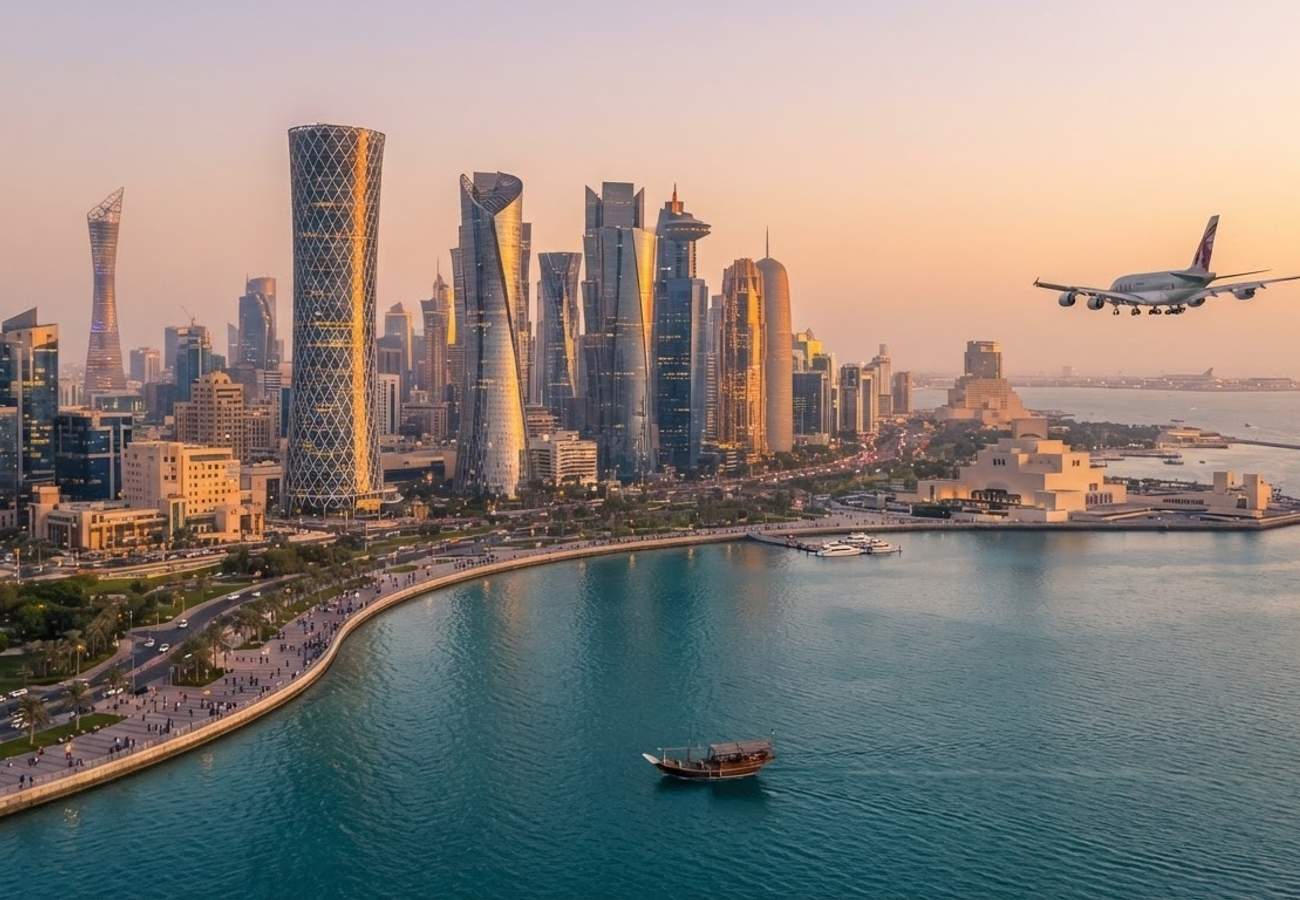
Image generated by AI
GCC travelers are dominating Qatar’s tourism sector, securing a 40.2% market share for seven consecutive months in 2026. With 818,000 arrivals from the region, Saudi Arabia and the UAE are leading a shift toward short-haul, high-frequency regional visits.
The Shift Toward Regional Dominance
Qatar is successfully pivoting its tourism model to rely less on distant global markets and more on its immediate neighbors. The 2026 data reveals a strategic alignment with the Gulf Cooperation Council (GCC), where short travel distances and seamless connectivity have made Doha a primary destination for weekend breaks, family holidays, and luxury shopping.
This regional surge is not an isolated spike but a steady climb. In 2025, GCC countries accounted for 35% of international visitors; by 2026, that figure has jumped to 40.2%. The ability of travelers from Saudi Arabia, the UAE, Kuwait, Bahrain, and Oman to access Qatar quickly has transformed the destination into a regional hub for entertainment-led tourism.
Global Diversification and Arrival Metrics
While the GCC provides the foundation, Qatar has successfully diversified its visitor base. The destination recorded approximately 2.03 million international arrivals during the reported period of 2026, showing a balanced spread across several continents.
International Arrivals by Source Region (2026)
| Source Market | Visitors | Market Share |
|---|---|---|
| GCC | 818,000 | 40.2% |
| Other Asia (incl. Oceania) | 438,000 | 21.5% |
| Europe | 428,000 | 21.0% |
| Americas | 144,000 | 7.1% |
| Other Africa | 61,000 | 3.0% |
| Other Markets | Balance | ~7% |
The data highlights a strong performance from Asia and Oceania, which slightly edged out Europe for the second-largest share. This is largely attributed to Doha's role as a global aviation gateway, where transit passengers frequently convert short layovers into multi-day stays.
Breaking the Seasonal Barrier: The Summer Recovery
Traditionally, Gulf destinations struggle during the extreme heat of the summer months. However, 2026 shows a concerted effort to neutralize this seasonality. July recorded approximately 285,000 international arrivals, a 28% increase over June's 222,000 visitors.
The "Hala Summer 2026" campaign, running from May through September, is the primary driver of this growth. By focusing on climate-controlled, indoor experiences, Qatar is attracting families through high-profile attractions:
- Entertainment: The Qatar Toy Festival, Minecraft World, Colorverse, and Fontana Circus.
- Culture & Lifestyle: Sneaker Con and various international concerts.
- Family Incentives: "Kids Go Free" offers for children under 12 at participating hotels and malls.
Event-Driven Demand and Business Tourism
Qatar has transitioned from hosting a single massive event (the 2022 World Cup) to a sustainable model of "event-led demand." A prime example is the 15th Qatar International Food Festival 2026, which saw 490,493 visitors over just 10 days—a 36% increase over the previous edition. Notably, 10% of these attendees were international visitors, proving that niche events can drive cross-border travel.
Simultaneously, the MICE (Meetings, Incentives, Conferences, and Exhibitions) sector is expanding. With over 41,000 hotel rooms and 15 major venues, including the Doha Exhibition and Convention Center, Qatar is securing high-value business travel through events like the Mobile World Congress 2026 and the ITU Plenipotentiary Conference 2026.
Infrastructure and Performance Trends
The transition of World Cup infrastructure into permanent assets—such as the Doha Metro and various cultural districts—has provided the necessary capacity for this growth. This is reflected in the hotel sector's upward trajectory.
Tourism Growth Indicators: 2024 vs 2025
| Indicator | 2024 | 2025 |
|---|---|---|
| International Visitors | Nearly 5 million | 5.1 million |
| Annual Visitor Growth | 26% | 3.7% |
| Hotel Occupancy | 69% | 71% |
| Room Nights Sold | ~10 million | >10.8 million |
| GCC Visitor Share | Largest Market | 35% |
Connectivity remains the backbone of this success. In 2025, 61% of visitors arrived by air, while land travel accounted for 32% and sea travel for 7%. The increase in air share reflects Doha's strengthening position as a global transit point.
Visitor Insider Tips
For those planning a visit to Qatar in 2026, navigating the destination requires a blend of cultural awareness and strategic timing.
- The Winter Window: To avoid the heat, target January and February. January 2026 saw a peak of 646,000 arrivals, making it the most vibrant but also the most crowded time to visit.
- Cultural Etiquette: While Qatar is becoming more tourist-friendly, modesty in dress is still appreciated, especially when visiting government buildings or traditional markets (Souqs).
- Hidden Gem: Beyond the luxury malls, explore the Katara Cultural Village during the early evening to experience a blend of traditional architecture and contemporary art without the midday heat.
- Sustainable Travel: Utilize the Doha Metro—one of the world's most advanced systems—to reduce your carbon footprint and avoid traffic congestion in the city center.
Tourism Outlook
The long-term trajectory for Qatar is one of stability and diversification. By leveraging its GCC neighbors and building a calendar of year-round events, Qatar is moving away from the "boom and bust" cycle of mega-events. The focus on MICE tourism and family-centric summer programming suggests that Qatar will continue to grow its market share in the Middle East, positioning itself as a permanent luxury and business hub rather than a temporary tournament host.
Qatar is no longer just a stopover; it is the destination.
Related Travel Guides
Disclaimer
This article is for informational and educational purposes only. It does not constitute legal, financial, or professional advice. While we strive to provide accurate and up-to-date information, travel policies, regulations, and conditions change rapidly. Always verify information with official sources before making travel decisions. Nomad Lawyer makes no representations about the accuracy, reliability, completeness, or suitability of the information provided. Readers should consult qualified professionals for advice specific to their circumstances. The views expressed in this article are those of the author and do not necessarily reflect the views of Nomad Lawyer.
Kunal K Choudhary
Co-Founder & Contributor
A passionate traveller and tech enthusiast. Kunal contributes to the vision and growth of Nomad Lawyer, bringing fresh perspectives and driving the community forward.
Learn more about our team →