
Breaking Airline News: How Gamified Airport Lounges Are Saving Cities Billions Amidst Massive Travel Chaos and Flight Cancellations
Breaking airline news: As terrifying operational failures threaten global connectivity, visionary transportation hubs are deploying immersive virtual reality lounges to combat severe travel chaos and passenger unrest.

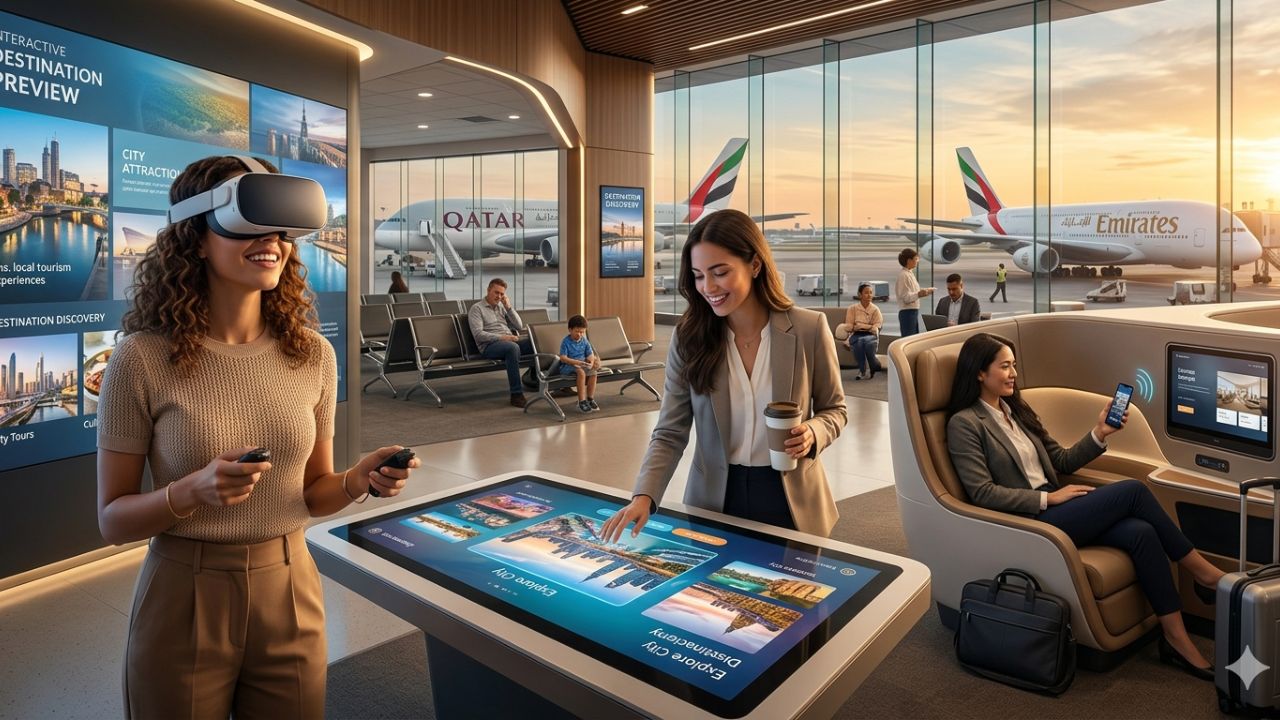
Image representing the intense strategic battle as global aviation leaders deploy immersive virtual reality networks to pacify passengers during severe flight cancellations and worldwide travel chaos.
Breaking Airline News: How Gamified Airport Lounges Are Saving Cities Billions Amidst Massive Travel Chaos and Flight Cancellations
As paralyzing airport disruptions, severe logistical bottlenecks, and terrifying waves of sudden flight cancellations violently sweep through the global aviation network, major transportation hubs are desperately executing massive structural overhauls to ensure operational survival. In a monumental shift for the 2026 travel season, global hospitality coalitions are aggressively dismantling outdated terminal layouts, replacing sterile waiting areas with highly immersive, gamified virtual reality lounges designed to actively pacify stranded travelers and heavily mitigate the psychological toll of massive travel chaos.
There is a distinct, deeply familiar sense of absolute dread that violently pulls at you the moment an airport gate agent announces a multi-hour departure delay, leaving you totally marooned in a sterile concourse with nothing but rows of cold metal benches. For decades, surviving an unexpected flight cancellation meant pacing aimlessly through crowded duty-free shops in quiet, furious desperation. However, this exhausting, empty waiting culture is currently secretly costing cities billions in lost commercial potential. In response to the escalating threat of severe travel chaos, visionary aviation hubs across Atlanta, London, and Japan are completely revolutionizing the passenger experience. By integrating collaborative virtual reality simulators and responsive micro-games directly into the concourse, these mega-hubs are transforming the terrifying reality of a massive flight delay into a highly engaging, financially lucrative destination marketing loop.
Expanded Overview: Re-Engineering the Transit Floor Plan
The terrifying crises currently gripping transit networks globally expose the massive economic vulnerability of bored, furious passengers. According to comprehensive regional economic portfolios and international media deployment files, the baseline physical layout of worldwide transit junctions has entered an incredibly aggressive evolution phase. Driven by sweeping shifts in passenger expectations during severe airport disruptions, forward-thinking transit hubs are completely moving away from old-school, retail-heavy concession matrices. Major operators are systematically dismantling traditional rows of waiting chairs to make way for highly interactive entertainment environments. These localized immersive platforms utilize advanced cross-platform media systems designed to interact directly with a passenger’s personal device, actively hooking travelers the exact moment their primary flight violently fails.
Section-Wise Breakdown: Securing the Global Gateways
The Atlanta Defense (Georgia)
The strategic redeployment aggressively centers around massive domestic choke points like Atlanta, Georgia. Because this mega-hub regularly absorbs the massive shockwaves of nationwide flight cancellations, traditional waiting areas simply cannot handle the sheer volume of displaced commuters. To prevent terminal gridlock, authorities are deploying cloud-enabled terminal kiosks and interactive play zones that achieve instant wireless pairing with passenger smartphones. This allows furious travelers to immediately decompress through localized digital engagement while waiting for rebooking confirmations.
The London Strategy
The strategic defense mechanism violently expands into major European transit nodes like London. Premium passengers and highly sensitive business executives trapped by transatlantic travel chaos are now being diverted into dedicated virtual reality pavilions. These high-fidelity software ecosystems vividly reflect the unique history and competitive sports culture of the UK, successfully keeping high-value audiences engaged and spending money within the terminal rather than leaving the airport in frustration.
The Japanese Innovation
In regions like Japan, where technological integration is paramount, aviation boards are leading the micro-lounge offensive. By installing boutique interactive booths utilizing specialized proximity networking protocols, Japanese hubs are capturing an incredible surge in immediate regional engagement. This framework operates with minimal network delays, transferring user progress seamlessly from public booths to private screens so that exploration can continue uninterrupted even if a delayed long-haul flight finally begins boarding.
The Regional Approach (Annapolis)
Even secondary regional hubs near Annapolis are heavily utilizing integrated media networks to capture the attention of stranded travelers. By partnering with independent software studios to create exclusive in-terminal mini-games that unlock real-world restaurant discounts, these smaller airports ensure that localized travel chaos directly translates into peripheral retail revenue for surrounding local communities.
Flight Details & Aviation Defense Matrix
To fully comprehend the massive economic and strategic impact of this terminal redeployment, corporate travel managers must review the exact network metrics currently reshaping the global corridor. The following matrix provides a granular breakdown of the specific operational capabilities driving this integration during periods of high disruption.
| Strategic Engagement Metric | Data Specification |
|---|---|
| Local Vendor Traffic Increase | 40 Percent Jump |
| Cybersecurity Standards | World Tourism Organization Frameworks |
| Deployment Technology | Proximity Networking Protocols |
| Target Demographic | Disrupted Long-Distance Commuters |
Passenger Impact: Surviving the Terminal Nightmare
For the millions of passengers physically navigating the heavily congested global network, the psychological benefit of this terminal evolution is absolutely massive. The brutal reality of enduring a massive flight cancellation inflicts intense stress. However, these newly deployed gamified lounges are explicitly designed to combat this friction.
Survival Guide for the Modern Terminal
Travelers preparing to leverage these newly integrated transit networks during a severe delay must immediately execute the following strategic protocols:
- Sync Your Devices Immediately: Utilize the frictionless mobile sync formats at cloud-enabled terminal kiosks to unlock real-time flight status updates integrated directly into in-terminal entertainment apps.
- Explore VR Pavilions: Secure access to dedicated virtual reality pavilions during extended flight cancellations. These secure environments provide essential psychological respite when terminal operations slow to an absolute crawl.
- Claim Digital Vendor Discounts: Participate in exclusive in-terminal mini-games to unlock massive restaurant discounts, actively offsetting the unexpected financial burden of a multi-hour layover.
- Protect Your Data: While engaging with free public interactive stations, ensure your personal device is protected. Regional entertainment networks enforce strict operational safeguards based on World Tourism Organization frameworks, but personal vigilance remains critical during travel chaos.
Industry Analysis: Shifting the Global Accommodations Footprint
From a strategic aviation perspective, this phenomenal stopover revolution violently shifts the competitive dynamics among global transit authorities. Marketing registries indicate that introducing these responsive virtual networks yields an immediate 40 percent jump in local vendor traffic. This structural redistribution proves that the old-school approach of keeping passengers trapped in silent, uninspiring holding zones has completely dissolved. By transforming vulnerable public connections into highly fortified, high-performance entertainment systems, the aviation sector is ensuring that airports can successfully monetize passenger dwell time even during the most severe airport disruptions.
Conclusion: A Strategic Advance to Ensure Aviation Survival
As the global operational situation remains highly fluid and extremely volatile, the total re-engineering of airport terminal floor plans represents a massive strategic triumph against the terrifying threat of international travel chaos. The streamlined digital QR codes, high-speed automated checkout counters, and localized immersive platforms currently redefining our airport hubs do far more than just protect overextended lounge networks from structural collapses; they respect the finite time of modern commuters. Corporate travel buyers and everyday passengers attempting to navigate this highly unstable era of flight cancellations must actively embrace these new rapid transit amenities. To survive modern travel chaos, flyers must adapt to the new digital terminal, utilizing these interactive media sanctuaries to transform a terrifying delay into a genuinely enjoyable part of the adventure.
Key Takeaways
- Massive Terminal Evolution: Global aviation hubs are aggressively replacing outdated, sterile seating areas with highly interactive virtual reality pavilions and gamified micro-lounges.
- Combating Travel Chaos: These immersive environments are specifically designed to pacify and entertain travelers stranded by sudden flight cancellations and severe multi-hour delays.
- Economic Boom: The deployment of frictionless mobile sync formats has triggered a massive 40 percent jump in local vendor traffic within modernized terminals.
- Global Implementation: Major hubs spanning Atlanta, London, and Japan are heavily utilizing integrated media networks to launch destination marketing loops targeting trapped commuters.
- Cybersecurity Focus: System compliance directors are actively utilizing World Tourism Organization frameworks to deploy ironclad cybersecurity layers across all public interactive stations.
Related Travel Guides
Disclaimer
This article is for informational and educational purposes only. It does not constitute legal, financial, or professional advice. While we strive to provide accurate and up-to-date information, travel policies, regulations, and conditions change rapidly. Always verify information with official sources before making travel decisions. Nomad Lawyer makes no representations about the accuracy, reliability, completeness, or suitability of the information provided. Readers should consult qualified professionals for advice specific to their circumstances. The views expressed in this article are those of the author and do not necessarily reflect the views of Nomad Lawyer.
Kunal K Choudhary
Co-Founder & Contributor
A passionate traveller and tech enthusiast. Kunal contributes to the vision and growth of Nomad Lawyer, bringing fresh perspectives and driving the community forward.
Learn more about our team →