
The Riverfront Blueprint: How Front Royal Is Reimagining Virginia's Mountain Gateway

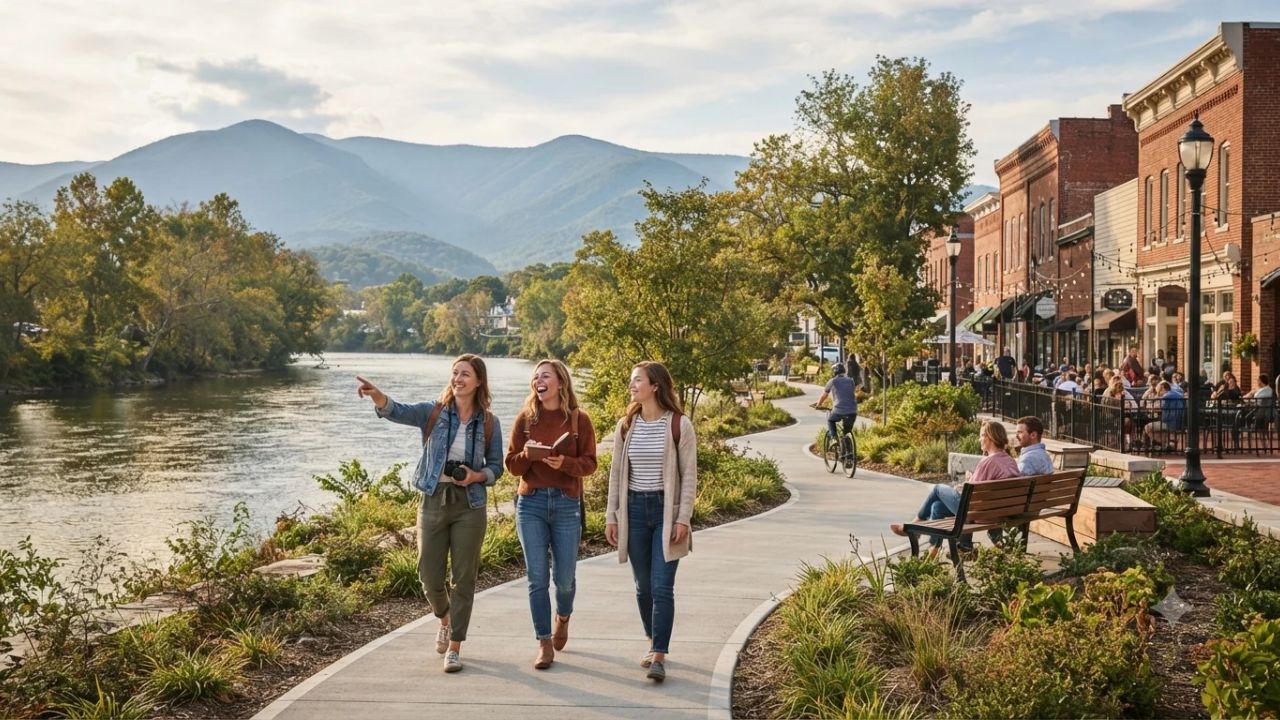
For decades, the natural centerpiece of Greenville, South Carolina—the cascading Reedy River Falls—was completely buried beneath a roaring four-lane highway bridge until city leaders demolished the concrete overpass in the early 2000s to build Falls Park on the Reedy. That bold urban transformation created the pedestrian-only Liberty Bridge and the 22-mile Swamp Rabbit Trail, proving that a post-industrial town does not need to invent artificial attractions when it can simply uncover and connect its natural waterways. Today, that exact urban blueprint is inspiring the historic mountain town of Front Royal, Virginia, as it charts a new era of riverfront connectivity along the Shenandoah.
Positioned at the northern entrance to Skyline Drive inside Shenandoah National Park, Front Royal possesses an extraordinary concentration of geographic and cultural assets. Surrounded by the Blue Ridge Mountains, bisected by the Shenandoah River, and traversed by the Appalachian Trail, the town is moving beyond its traditional role as a quick highway drive-by. Backed by statewide tourism initiatives from Virginia Tourism Corporation, Warren County is linking its historic downtown brick core directly to water recreation, pocket parks, and artisan culinary hubs.
Connecting Waterways to Historic Main Streets: The Greenville Model
Greenville's transition from a declining textile manufacturing hub into one of America's most celebrated small cities was built on the principle of integrated public space. By replacing the Camperdown highway bridge with award-winning public gardens, linking downtown to the West End arts district, and developing off-road cycling networks, Greenville turned disconnected assets into a seamless visitor destination, as showcased by VisitGreenvilleSC.
For Front Royal, the opportunity follows a parallel trajectory. Rather than treating the Shenandoah River merely as an access ramp for weekend canoe liveries, municipal planners and local business alliances are working to weave pedestrian trails, scenic overlooks, and riverfront gathering spaces into the downtown commercial district.
Instead of keeping outdoor recreation isolated miles outside town, an integrated network creates continuous movement:
- Unified Wayfinding Systems: Implementing clear pedestrian signage that guides travelers from historic Main Street shops directly to river trailheads within a five-minute walk.
- Adaptive Green Corridors: Transforming vacant industrial parcels and flood-plain easements into pocket parks, public art plazas, and open-air riverside dining pavilions.
- Multimodal Trail Links: Developing dedicated bicycle and walking paths that connect downtown lodging with the South Fork of the Shenandoah River and regional trailheads.
- Craft and Culinary Integration: Pairing mountain paddling excursions with visits to historic downtown breweries, farm-to-table cider houses, and family-owned vineyards throughout Warren County.
What Makes Front Royal and the Shenandoah Valley Different
Front Royal holds a distinct position as the historic northern anchor of Virginia's Shenandoah Valley. While many Blue Ridge mountain towns offer scenic vistas, Front Royal combines profound natural beauty with deep American historical significance. The town's Main Street features 19th-century brick facades, the historic Warren County Courthouse, and independent bookshops set against the dramatic silhouette of Signal Knob and the Massanutten Mountain range.
The hydrology of the region is equally unique. Front Royal sits right where the North Fork and South Fork of the Shenandoah River converge before flowing northward toward the Potomac. The gentle limestone riverbed creates placid, winding pools ideal for flatwater kayaking, paddleboarding, and world-class smallmouth bass fly fishing.
Just two miles from downtown sits the official northern portal to Skyline Drive, a 105-mile National Scenic Byway winding along the mountain crest through Shenandoah National Park. Here, hikers can step directly onto the white-blazed Appalachian Trail, climb rugged quartz boulders along the Dickey Ridge Trail, and view abundant white-tailed deer and black bears amidst deep oak and hickory forests.
Visitor Insider Tips
Experiencing Front Royal through a local lens requires knowing how to avoid peak highway queues and where to find authentic valley flavors:
- Enter Shenandoah National Park via the North Gate Early: The Front Royal entrance station at Mile 0.0 on Skyline Drive experiences heavy vehicle backups on autumn weekends between 10:00 AM and 2:00 PM. Pass through the gate before 8:30 AM to catch low-hanging morning mist over the valley and secure parking at Dickey Ridge Visitor Center (Mile 4.6).
- Paddle the South Fork with Local Outfitters: Rent canoes or sit-on-top kayaks from local liveries along the South Fork of the Shenandoah. The 5-mile stretch from Gooney Creek down to Front Royal offers gentle Class I-II riffles, shaded sycamore riverbanks, and excellent fishing pools without heavy motorized boat traffic.
- Sample Shenandoah Apple and Wine Heritage: Visit rural farm markets along Route 340 for fresh-pressed autumn apple cider and warm cider donuts. Pair your day with tastings at Warren County vineyards, such as Chester Gap Cellars, perched at 1,300 feet elevation with sweeping valley vistas.
- Explore Main Street's Indie Dining Scene: After hiking, dine along historic Main Street. Enjoy local craft beers at Front Royal Brewing Company, sample wood-fired artisanal pizza, or pick up picnic provisions from local butcheries before heading up the mountain.
- Hike Signal Knob for History and Solitude: Skip the crowded trails around Big Meadows and tackle the 10-mile Signal Knob loop in the George Washington National Forest. This historic Civil War observation outpost provides panoramic views across both forks of the Shenandoah River.
Cultural and Environmental Context
The transition toward integrated riverfront recreation represents a vital commitment to ecological conservation and watershed protection. The Shenandoah River basin is a sensitive aquatic environment that supports diverse freshwater mussels, native brook trout, and migratory raptors. Unregulated runoff and unchecked shoreline erosion pose ongoing challenges to the broader Chesapeake Bay watershed.
By converting underutilized industrial river banks into public conservation parks and permeable greenways, Front Royal actively filters stormwater runoff while discouraging harmful floodplain construction. Local non-profit conservation groups, including the Friends of the Shenandoah River, partner with municipal authorities to monitor water clarity and organize volunteer river cleanups.
Furthermore, downtown revitalizations provide sustainable economic resilience to rural communities. Directing outdoor adventure travelers into locally owned downtown shops, cafes, and historic bed-and-breakfasts ensures that tourism dollars remain within the community, funding municipal infrastructure, historic facade restoration, and local public schools.
FAQ: Visiting Front Royal 2026
Where is the northern entrance to Shenandoah National Park located?
The park's northern gateway (Mile 0.0 of Skyline Drive) is located just one mile south of Downtown Front Royal along US Route 340.
What is the best season to visit Front Royal and Skyline Drive?
October offers peak autumn foliage across the Blue Ridge Mountains, while May and June provide optimal river water levels for kayaking and lush wildflower hiking.
How far is Front Royal from Washington, D.C.?
Front Royal is approximately 70 miles west of Washington, D.C., an easy 75-minute drive via Interstate 66 West.
Are canoe and kayak rentals readily available in town?
Yes. Multiple licensed river outfitters in Front Royal provide watercraft rentals, safety gear, and shuttle transport along the North and South forks of the Shenandoah River.
Where the winding river meets the mountain heights, Front Royal proves that the greatest journeys begin by simply honoring the beauty running through our own backyards.
Related Travel Guides
Disclaimer
This article is for informational and educational purposes only. It does not constitute legal, financial, or professional advice. While we strive to provide accurate and up-to-date information, travel policies, regulations, and conditions change rapidly. Always verify information with official sources before making travel decisions. Nomad Lawyer makes no representations about the accuracy, reliability, completeness, or suitability of the information provided. Readers should consult qualified professionals for advice specific to their circumstances. The views expressed in this article are those of the author and do not necessarily reflect the views of Nomad Lawyer.
Raushan Kumar
Founder & Lead Developer
Full-stack developer with 11+ years of experience and a passionate traveller. Raushan built Nomad Lawyer from the ground up with a vision to create the best travel and law experience on the web.
Learn more about our team →