Freiburg in Germany Leads Europe’s Green Travel Movement With Smart Sustainable Tourism: All You Need to Know

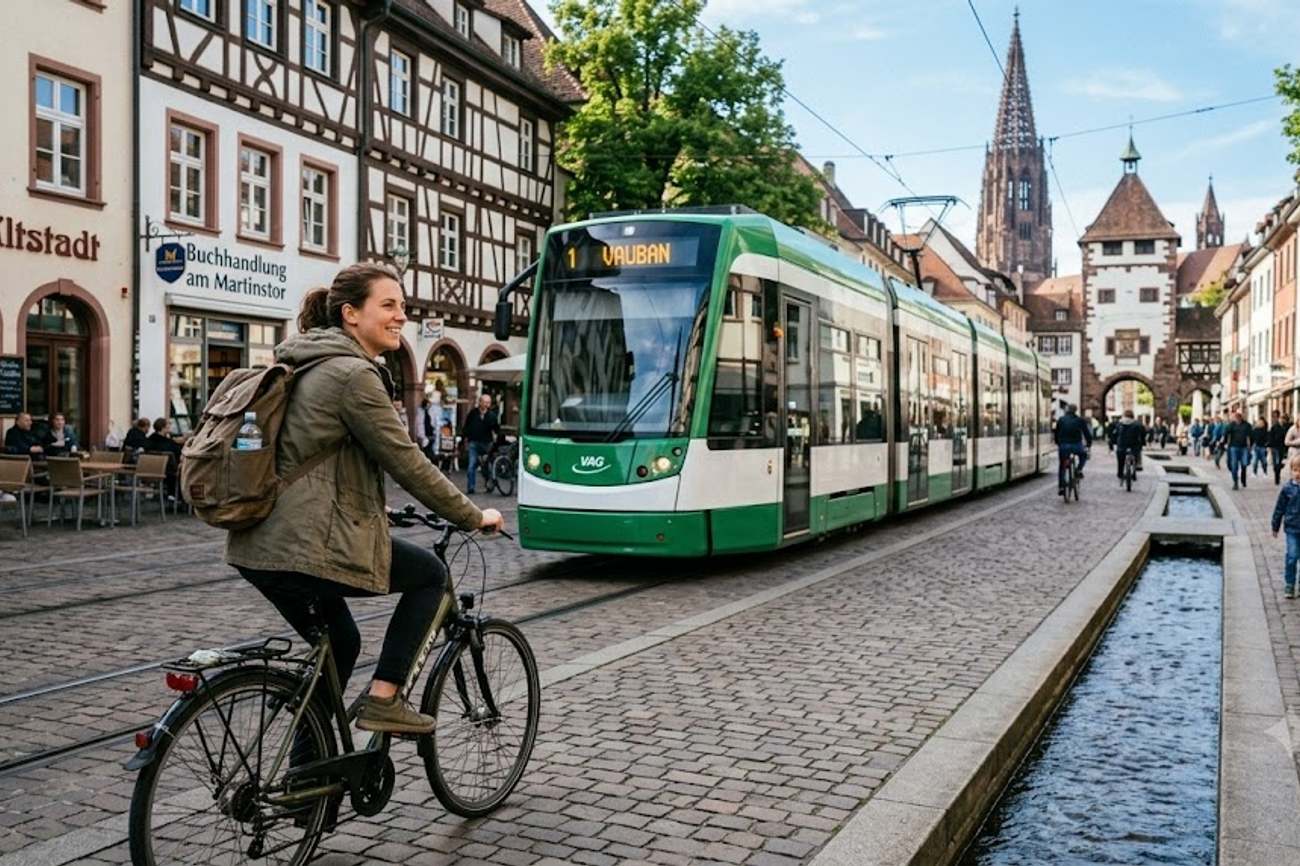
Image generated by AI
[Freiburg, May 2024] — The city of Freiburg is fundamentally restructuring its tourism model to prioritize systemic environmental integration over traditional sightseeing, positioning itself as Europe's primary blueprint for sustainable urban travel.
By embedding renewable energy, car-reduced infrastructure, and green architecture directly into its residential and commercial districts, Freiburg has shifted the visitor experience from passive observation to active participation in a sustainable ecosystem. Located strategically between the Black Forest and the Rhine plain, the city is leveraging its unique geography to attract a new demographic of "slow travelers" who prioritize ecological footprints over high-volume tourism.
The Drivers of Green Urbanism
Freiburg’s transition into a global sustainability hub is the result of multi-decade strategic planning focused on climate responsibility and the preservation of local quality of life. Rather than treating "green travel" as a niche marketing product, the city has woven environmental mandates into the very fabric of its urban design. This approach ensures that sustainability is an inherent characteristic of the destination rather than a curated attraction.
The city's strategy relies on a diversified framework of environmental pillars:
- Urban Planning: Implementation of eco-friendly neighborhoods that minimize heat islands and maximize green canopy.
- Mobility: A systemic shift toward cycling and public transit, reducing the reliance on internal combustion engines within city limits.
- Energy Production: Widespread adoption of solar technology and the development of "plus-energy" buildings.
- Regionalism: A strict focus on local supply chains for food and retail to minimize transport emissions.
By balancing the growth of the tourism sector with the needs of its permanent residents, Freiburg avoids the pitfalls of over-tourism, ensuring that the influx of visitors does not degrade the environmental standards that attract them in the first place.
Impacted Zones and Visitor Markets
The impact of Freiburg's sustainable shift is most visible in specific districts and target markets. The city has effectively segmented its offerings to cater to different types of environmentally conscious travelers.
| District/Area | Primary Focus | Key Feature for Travelers |
|---|---|---|
| Vauban District | Experimental Urbanism | Car-reduced streets and solar housing |
| Old Town (Altstadt) | Cultural Integration | Historic landmarks paired with green transit |
| Schauinsland | Nature Preservation | High-altitude hiking and panoramic vistas |
| Schlossberg | Urban Recreation | Immediate transition from city to forest |
| Black Forest Perimeter | Active Tourism | Extensive cycling and hiking networks |
The primary markets affected by this shift include educational tourists, architecture students, climate researchers, and wellness travelers. These groups are increasingly bypassing traditional German hubs in favor of Freiburg's integrated model, which allows them to study sustainable living in a real-world residential setting.
Practical Traveler Advisory and Strategic Insights
For the modern traveler, Freiburg represents a departure from the "checklist" style of tourism. The shift toward sustainable urbanism means that the city's infrastructure is designed to discourage private vehicle use.
Transportation Logistics: Visitors should expect a city where bicycles and pedestrians have priority. While traditional car rentals remain available, the city is engineered for those using the Deutsche Bahn (DB) rail network and local transit. Travelers arriving by car will find that many central districts, particularly Vauban, are intentionally designed to limit vehicle access, requiring a shift in how luggage and transit are managed.
Accommodation Standards: The hotel sector is moving toward a "responsible stay" model. Establishments like the Green City Hotel Vauban are not merely providing rooms but are operating as extensions of the city's ecological mission. This means guests will encounter organic-only dining, energy-efficient climate control systems, and a heavy emphasis on regional sourcing.
Activity Planning: The "slow travel" mandate encourages longer stays and a reduced pace. Instead of rapid-fire sightseeing, the city promotes deep immersion in nature and local culture. This means a higher demand for hiking gear, cycling rentals, and visits to regional fair-trade markets over traditional souvenir shopping.
The Future of the Vauban Model
The Vauban district serves as the vanguard for Freiburg's future growth. Originally a military site, this neighborhood has been transformed into a living laboratory for sustainable living. The presence of the Heliotrope building—one of the first "plus-energy" houses globally—signals a shift toward architecture that generates more power than it consumes.
As Freiburg continues to refine this model, the city is expected to expand these principles into further residential zones. The goal is to move beyond "eco-districts" and achieve a city-wide standard where every building contributes to the energy grid. For the travel industry, this provides a scalable template for how mid-sized European cities can maintain historic charm while meeting the rigorous demands of the European Union's climate goals.
Visitors can expect an increase in educational tours and "sustainability workshops" as the city formalizes its role as a global classroom for urban planning. The integration of the Black Forest National Park into the urban tourism circuit will also likely expand, creating a seamless transition between high-tech green cities and protected wilderness.
FAQ: Freiburg Sustainable Travel 2024
Do I need a car to visit Freiburg? No. The city is specifically designed for pedestrians, cyclists, and public transit users. Most major attractions and the Vauban district are easily accessible via the tram system or extensive bike paths, and car access is limited in several green zones.
What is a "plus-energy" house? A plus-energy house, such as those found in the Vauban district, is a building that produces more energy than it consumes over the course of a year, typically through advanced solar arrays and high-efficiency insulation.
Where can I find authentic local products? The Münsterplatz market is the primary hub for regional food and sustainable goods. Additionally, the city promotes a network of fair-trade shops and organic markets that support farmers within the Black Forest region.
Is sustainable accommodation more expensive in Freiburg? While some eco-certified hotels may have different pricing structures, they often provide integrated value through organic dining and proximity to public transit, reducing the overall cost of local transportation for the traveler.
Freiburg is no longer just a destination; it is a functional prototype for the future of European urbanism.
Related Travel Guides
- Asunción September 26 Cultural Surprise Free English Art Tour Invites Travellers Inside Manzana de la Rivera
- Anchorage Unites with Fairbanks, Kenai and More Alaska Counties with New Tourism Campaigns Marketing Push Targets Longer Stays, Adventure and Responsible Travel
- US Steps Up With Canada and Other North American Markets as Travel Demand Grows With Safety, Value and Experience-Driven Choices
This article is for informational purposes. Flight routes, passenger regulations, visa rules, and transit advisories are subject to change by airlines and aviation authorities. Readers are advised to verify schedules and travel documentation with relevant carriers and border agencies before departure.
Related Stories
Phuket Luxury Tourism Surge 2026: High-Net-Worth Arrivals and New Aviation Routes
Mexico Ecotourism Market Projected to Hit USD 9.29 Billion by 2034 as Green Travel Surges