
Francis Bourgeois' Train Restoration Hit Engine Crisis
Francis Bourgeois' hit BBC restoration series faces critical mechanical failure. Class 37 locomotive breakdown threatens Scottish Highland tour plans in latest We Saved a Train crisis.

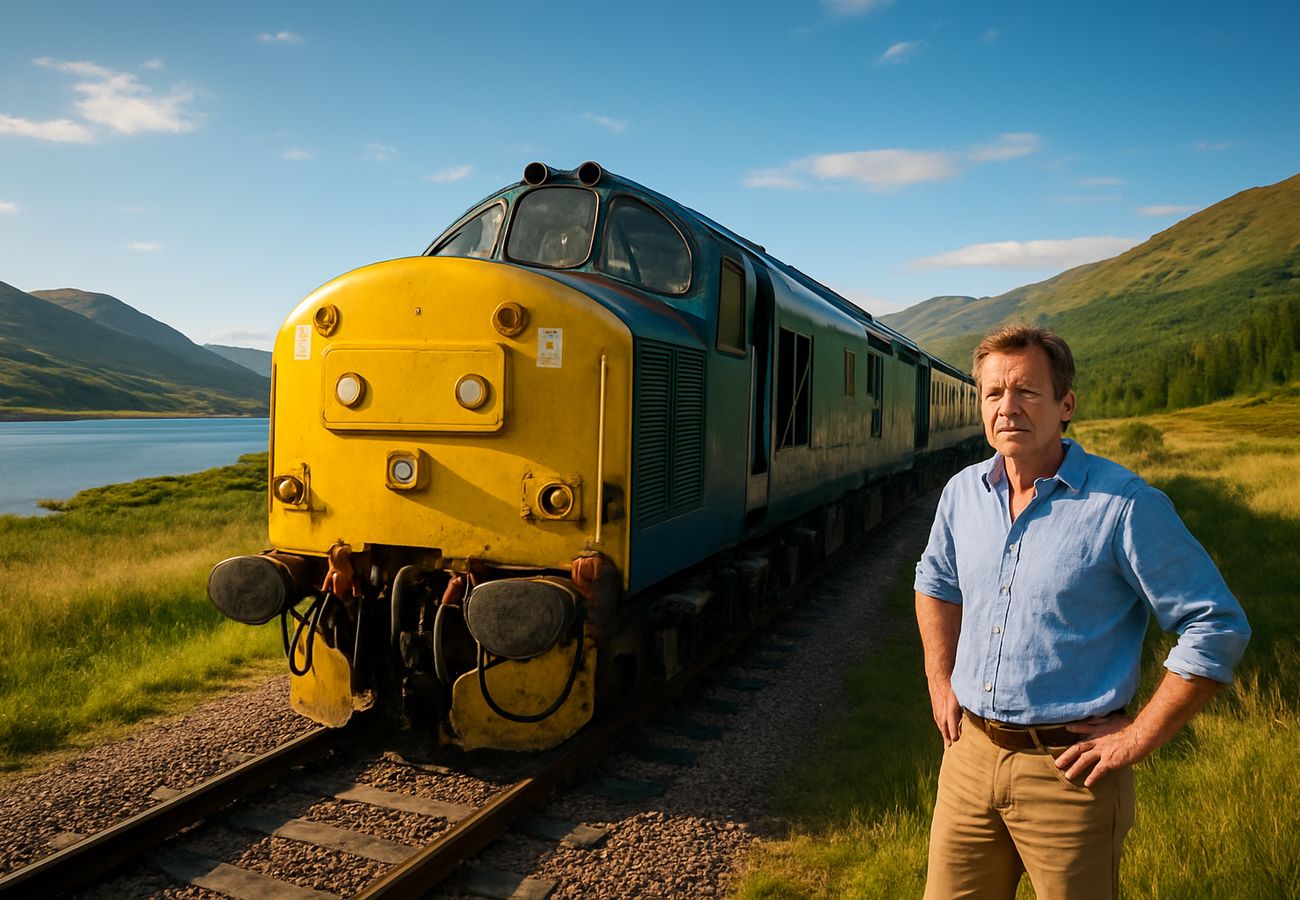
Image generated by AI
The moment a working steam engine roars to life on a historic platform—that unmistakable rumble of heavy machinery, the crisp smell of heated metal, the sight of a beautifully restored locomotive gliding into morning light—captures something transcendent. For trainspotters, volunteer crews, and heritage rail enthusiasts, it represents victory over time itself. Yet that dream just hit a grinding halt.
The BBC's wildly popular restoration docuseries We Saved a Train has encountered a severe mechanical crisis that threatens to derail its most ambitious plans. With presenter Francis Bourgeois and automotive journalist Chris Harris leading the charge, the team was inches away from launching their prize locomotive onto Scotland's mainline network. Then the engine failed.
The Locomotive at the Heart of the Crisis
The star of the show is locomotive 37025, affectionately nicknamed the Vulkan across the trainspotting community. This iconic British Rail Class 37 diesel engine represents decades of engineering heritage and countless miles of faithful service. The restoration project documented on Quest TV has followed every grueling moment: the structural stripping, the metalwork deadlines, the sourcing of increasingly rare components.
After months of intensive hands-on work at the Bo'ness workshop in Scotland, the team successfully installed the locomotive's massive traction motor—a critical milestone. But then final system diagnostics revealed the nightmare: a severe mechanical anomaly deep within the engine's core systems. The breakdown struck right as administrative clearance was being finalized for a triumphant tour across the Scottish Highlands.
Reddit: "This is devastating for the team. They were so close to mainline certification. The Class 37 platform community is watching every update." — r/trains
What Went Wrong: Inside the Engine Failure
The specifics are damning for any restoration project: the engine's massive powerplant requires a precise balance of hydraulic pressure, vintage electrical circuitry, and customized replacement components that modern industrial suppliers simply cannot provide off-the-shelf.
The mechanical team discovered thermal and structural compromises that cannot be ignored. This isn't cosmetic damage or a minor adjustment—this is a fundamental systems failure that grounded the entire project immediately. Safety coordinators have locked down all exclusive tracking coordinates and platform access passes until structural integrity can be officially guaranteed.
For the thousands of international travelers and heritage rail enthusiasts who had already booked premium tour spots and arranged seasonal vacation itineraries around this event, the message was blunt: everything is postponed indefinitely.
The Ripple Effect on Heritage Rail Tourism
This breakdown exposes a fragile reality within heritage rail tourism: when a single locomotive fails, entire networks of travel plans collapse. Families scrambled to rebook standard diesel commuter tickets. Remote Scottish village hotels saw premium bookings evaporate. Travel agencies across the UK had to issue holding statements to customers.
The specialized, premium heritage tour sector operates on razor-thin margins. Unlike commercial mainline services that have redundancy built in, heritage railways depend on specific restored vehicles. When locomotive 37025 went down, there was no backup plan—just disappointment and rescheduled dreams.
Commercial transit links continue operating normally, but the highly specialized tour experiences that command premium pricing remain completely blocked. This technical setback will cost the production team weeks, possibly months, of delays.
Engineering Solutions: Racing the Clock at Bo'ness
Here's where resilience enters the narrative. Rather than abandon the project, the team pivoted to engineering expertise at the highest level.
Restoration technicians are now working around the clock. The compromised engine components are being carefully dismantled. Main lubrication lines are being flushed completely. Central electrical grids are being reset from scratch to restore full track readiness. The approach is methodical and thorough—no rushing, no shortcuts that could trigger another failure.
The team is collaborating with specialist historical fabricators to source identical replacement components—a technical challenge in itself given how obsolete 1960s diesel engine parts have become. These specialist heritage fabricators are essentially reverse-engineering solutions that haven't been manufactured in decades.
This collaboration promises to fundamentally upgrade the structural baseline of the locomotive. When 37025 finally returns to service, it should be more robust and reliable than it was before the failure—a small victory extracted from necessity.
The Transparency Factor: What the Production Team Is Doing Right
Media analysts are noting something crucial: the presenting team and producers are handling this transparently. There's no spin, no false timelines, no PR fluff masking the severity of the situation. Francis Bourgeois' audience has followed every frustration, every breakthrough, every setback in real time.
That authentic, unscripted approach is building trust rather than eroding it. Restoration enthusiasts understand that mid-century diesel infrastructure is genuinely complex. They respect the team for not cutting corners or risking safety to meet broadcast deadlines.
As updated technical documentation emerges from Bo'ness, as replacement components arrive from fabricators, the production schedules are being reset responsibly. The new launch date hasn't been publicly confirmed, but observers expect a revised announcement within weeks.
What This Means for Heritage Rail Tourism in 2026
This crisis reveals both fragility and strength in the heritage rail sector. Fragility: one mechanical failure can upend travel plans for thousands of people and disrupt tourism revenue across entire regions. Strength: the expertise, dedication, and community cooperation required to restore a 60-year-old locomotive demonstrates why these heritage networks matter culturally and historically.
For travelers planning heritage rail experiences this season, the lesson is clear: book with flexibility. Premium heritage tours depend on functioning vintage equipment, and that equipment occasionally fails. The Bo'ness team's commitment to proper repairs rather than shortcuts should inspire confidence when—not if—37025 eventually returns to mainline service.
The Scottish Highlands are waiting. The viaducts are still iconic. The journey is still worth the wait.
Restoration miracles aren't built on shortcuts—they're built on the shoulders of people who refuse to give up.
Related Travel Guides
Wisconsin Hour North: Luxury Spa Village Near Milwaukee Launches 2026 Getaway Season
Travellers left stranded: Nashville airport disruptions expose US airline capacity crisis
Cairo Airport Disruption: 100+ Flights Delayed in April 2026
Disclaimer
This article is for informational and educational purposes only. It does not constitute legal, financial, or professional advice. While we strive to provide accurate and up-to-date information, travel policies, regulations, and conditions change rapidly. Always verify information with official sources before making travel decisions. Nomad Lawyer makes no representations about the accuracy, reliability, completeness, or suitability of the information provided. Readers should consult qualified professionals for advice specific to their circumstances. The views expressed in this article are those of the author and do not necessarily reflect the views of Nomad Lawyer.
Raushan Kumar
Founder & Lead Developer
Full-stack developer with 11+ years of experience and a passionate traveller. Raushan built Nomad Lawyer from the ground up with a vision to create the best travel and law experience on the web.
Learn more about our team →