
France and Spain Wildfires 2026: Bordeaux Vineyards and Spanish Landscapes Face Historic Climate Crisis
Extreme wildfires across France and Spain are disrupting millions of summer holiday plans, threatening the Bordeaux wine region and critical Spanish tourism hubs in 2026.

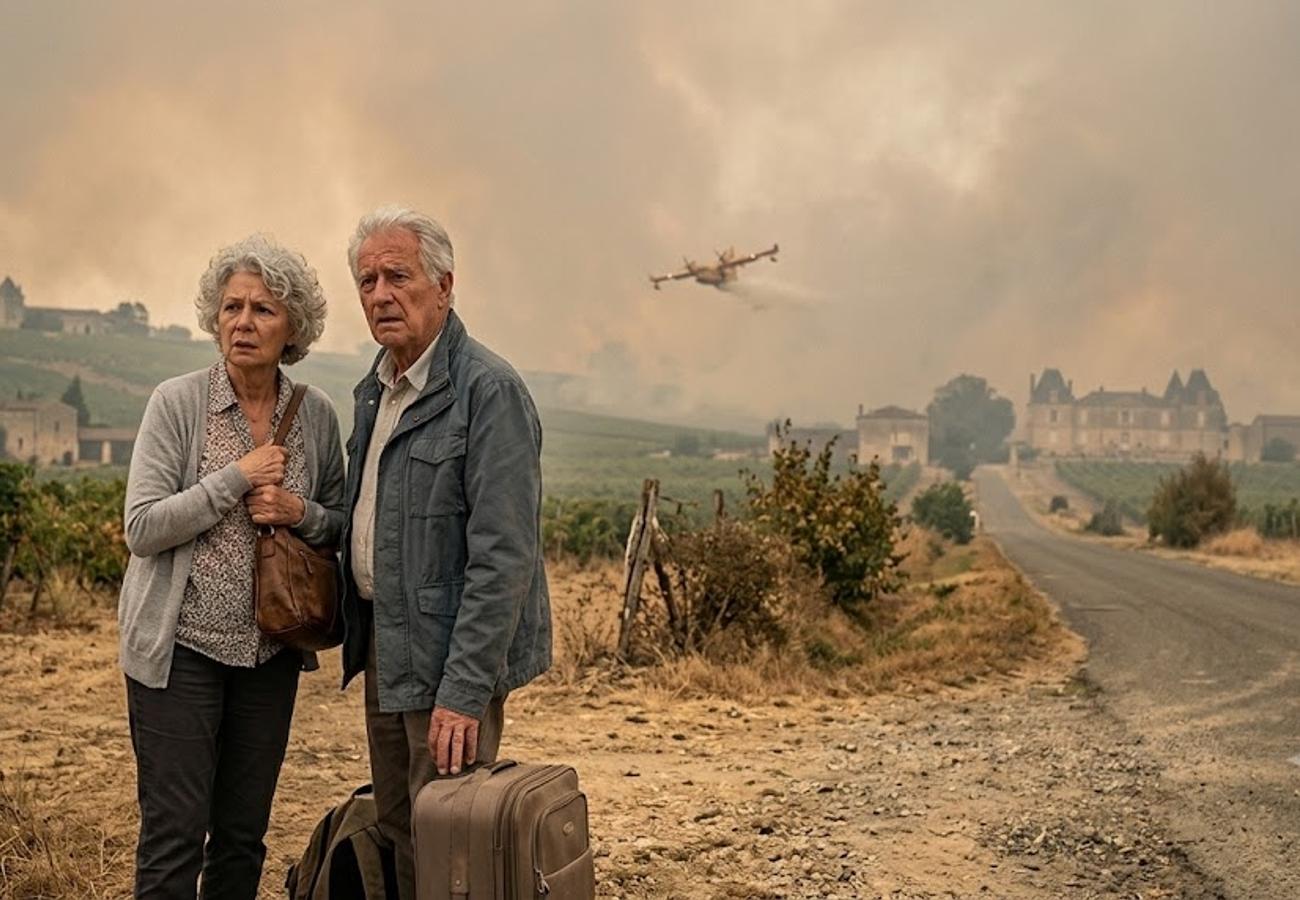
Image generated by AI
Millions of summer holiday plans are in jeopardy as historic wildfires sweep through France and Spain, threatening the economic heart of Bordeaux’s wine country and Spain’s rural tourism hubs.
The 2026 peak travel season is facing a severe climate-driven crisis. A combination of prolonged drought and extreme heat has triggered rapidly spreading blazes, forcing large-scale evacuations and creating an environment of extreme uncertainty for international visitors and local operators.
Bordeaux Vineyards Under Immediate Threat
The Gironde area, the gateway to the world-renowned Bordeaux wine region, is currently one of the most critical zones in France. This region is a global pillar for wine tourism, where the local economy relies heavily on tasting experiences, scenic rural routes, and historic estates.
The advancing flames have placed significant pressure on tourism infrastructure. Firefighting teams are currently battling to prevent the fires from reaching densely populated areas, but large sections of woodland have already been lost.
For the hospitality sector, the impact is twofold:
- Immediate Disruptions: Rural accommodation providers and vineyard operators are facing road closures and mandatory evacuation zones.
- Long-term Viability: The frequency of these events is forcing a rethink of the resilience of wine-producing regions against rising global temperatures.
Spanish Emergency Spans Multiple Provinces
Spain is currently managing a fragmented but widespread emergency, with multiple fire fronts active across the country. The crisis varies by region, presenting unique challenges for emergency responders and travelers.
In the province of Castellón, the situation is particularly hazardous. Firefighting efforts have been complicated by the presence of unexploded military materials in the affected areas, requiring specialized precautions and slowing containment progress.
Meanwhile, Central Spain is seeing heavy activity around Madrid, Toledo, and Ávila. These areas are primary destinations for nature-based tourism, including:
- Hiking and outdoor recreation.
- Authentic rural stays.
- Cultural heritage excursions.
The disruption of these travel routes has forced thousands of visitors to alter their itineraries mid-trip, putting immense pressure on tourism authorities to provide real-time safety updates.
Environmental Drivers of the 2026 Fire Season
The intensity of this year's wildfires is not accidental. A perfect storm of environmental factors has created a high-volatility landscape across Western Europe.
Limited rainfall and extreme heat have left forests and scrublands tinder-dry, allowing fires to move with unprecedented speed. These conditions create "fire weather" characterized by unpredictable wind patterns that can trap travelers and endanger firefighting teams.
This shift indicates that wildfire seasons in Europe are becoming longer and more destructive. For the travel industry, this means that "climate resilience" is no longer a buzzword but a operational necessity for any destination built around natural attractions.
European Coordination and Resource Mobilization
The scale of the 2026 crisis has triggered a high level of international cooperation. Recognizing that local services are overwhelmed, European nations have mobilized shared resources to support France and Spain.
The response includes:
- Deployment of specialized aerial firefighting aircraft and helicopters.
- Cross-border movement of expert ground teams.
- Shared monitoring technology to predict fire movement.
This coordinated effort highlights a transition toward regional disaster management, where countries rely on a collective pool of resources to combat climate-related emergencies.
The New Reality for Summer Travel
For the millions of tourists currently in Europe, the 2026 season serves as a warning. The traditional "safe" summer window is being encroached upon by environmental volatility.
Tourism operators are now forced to pivot their business models to include:
- Dynamic Crisis Communication: Moving beyond static brochures to real-time safety alerts.
- Alternative Itineraries: Developing "pivot" experiences when primary natural attractions become inaccessible.
- Enhanced Preparedness: Integrating disaster evacuation plans into standard guest services.
The crisis underscores a fundamental shift: the reputation and viability of a destination are now inextricably linked to its environmental preparedness and ability to protect both visitors and the landscape.
The battle to save Europe's iconic landscapes continues as the continent grapples with a new era of climate-driven tourism risk.
Related Travel Guides
Disclaimer
This article is for informational and educational purposes only. It does not constitute legal, financial, or professional advice. While we strive to provide accurate and up-to-date information, travel policies, regulations, and conditions change rapidly. Always verify information with official sources before making travel decisions. Nomad Lawyer makes no representations about the accuracy, reliability, completeness, or suitability of the information provided. Readers should consult qualified professionals for advice specific to their circumstances. The views expressed in this article are those of the author and do not necessarily reflect the views of Nomad Lawyer.
Preeti Gunjan
Contributor & Community Manager
A passionate traveller and community builder. Preeti helps grow the Nomad Lawyer community, fostering engagement and bringing the reader experience to life.
Learn more about our team →