
European Overtourism Alert 2026: New Entry Fees and Housing Restrictions in Spain, Italy, and Greece
European destinations including Spain, Italy, and Greece are implementing strict entry fees and rental bans to combat overtourism, impacting traveler costs and accommodation availability in 2026.

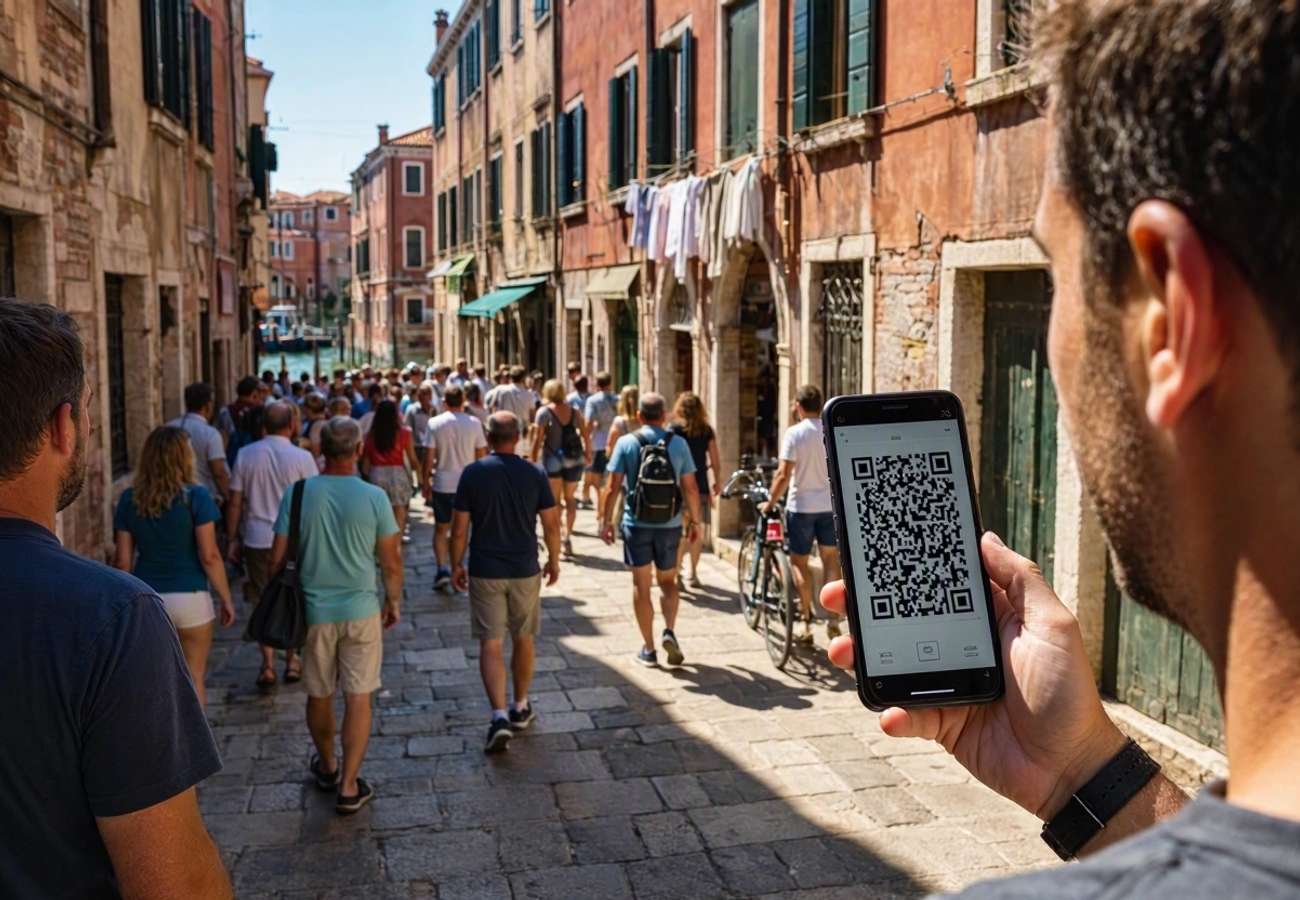
Image generated by AI
A traveler booking a short-term rental in Barcelona for the summer of 2026 may find their reservation abruptly canceled as the city accelerates its crackdown on tourist apartments. Meanwhile, a day-tripper arriving in Venice now faces a mandatory access fee just to enter the historic center, signaling a new era of "pay-to-visit" tourism across the Mediterranean.
The Rise of Managed Access in Europe
The European travel landscape in 2026 is defined by a shift from promotion to restriction. Overtourism is no longer just a local grievance but a regulatory driver in Spain, Italy, Greece, Croatia, Portugal, France, and the Netherlands. While countries like Austria, Malta, Cyprus, Germany, Czechia, and Belgium experience localized pressure, the Mediterranean corridor is facing a systemic crisis.
The core issue is not the total volume of arrivals—which saw EU accommodation establishments record 3.1 billion overnight stays in 2025 (a 2.2% year-on-year increase)—but the extreme concentration of these visitors. According to Eurostat, Spain, Italy, France, and Germany alone absorbed 61.7% of all EU overnight stays. This concentration has pushed infrastructure, water supplies, and housing markets to a breaking point.
Regional Impact and Restriction Tiers
The European Commission has flagged the Adriatic coast of Croatia, the Greek islands, and Venice as the most exposed zones. The following table breaks down the current pressure points and the specific nature of the disruptions travelers will encounter.
| Country | High-Pressure Destinations | Primary Disruptions | Risk Level |
|---|---|---|---|
| Spain | Barcelona, Mallorca, Ibiza, Canary Islands, Madrid | Rental bans, water rationing, resident protests | Very High |
| Italy | Venice, Florence, Rome, Amalfi Coast | Access fees, cruise limits, pedestrian congestion | Very High |
| Greece | Santorini, Mykonos, Crete, Rhodes | Cruise levies, infrastructure strain, water scarcity | Very High |
| Croatia | Dubrovnik, Split, Hvar | Seasonal congestion, coastal infrastructure limits | Very High |
| Portugal | Lisbon, Porto, Algarve, Madeira | Short-term rental restrictions, urban congestion | High |
| France | Paris, Nice, Marseille, French Riviera | Site-specific caps, cruise impact regulations | High |
| Netherlands | Amsterdam, Noord-Holland | Nightlife restrictions, urban density caps | High |
Your Rights as a Passenger and Visitor
When visiting these "managed" zones, your rights shift from standard consumer protections to compliance with local municipal laws. It is essential to distinguish between airline rights and destination-entry requirements.
1. Entry Fees and Levies: In Venice, the access-fee system for day visitors is now operational. In 2026, fees ranged from €5 for advance bookings to €10 for last-minute payments. Failure to produce a digital ticket or payment receipt can result in municipal fines. Similarly, Greece has implemented a seasonal cruise passenger levy, with costs reaching €20 per person for those docking in Santorini and Mykonos.
2. Accommodation Cancellations: In Barcelona, the government is phasing out tourist apartment licenses by 2028. If your rental is canceled due to a revoked license, you are entitled to a full refund under the terms of your booking platform. However, the European Consumer Centres Network advises that travelers should seek "licensed" accommodation to avoid sudden cancellations.
3. Transport Disruptions: In high-intensity zones like the Amalfi Coast or the Greek islands, public transit often reaches capacity. If you are stranded due to overbooked state-run transport, check your travel insurance for "trip interruption" clauses. For flight-related disruptions into these hubs, refer to the UK CAA guidelines or EU261/2004 for compensation on delayed or canceled flights.
Rebooking Strategy and Alternatives
To avoid the volatility of overtourism zones, travelers should pivot their itineraries toward "under-tourism" alternatives or adjust their timing.
Avoid the Peak: The South Aegean region (Santorini/Mykonos) recorded 126,899 tourist nights per 1,000 residents in 2024. To avoid the worst congestion and the €20 cruise levies, target the "shoulder seasons" of May or October.
Alternative Destination Pairing: Instead of the primary hotspots, consider these lower-density alternatives that offer similar experiences:
- Instead of Venice: Try Treviso or Padua for Venetian architecture without the €10 entry fee.
- Instead of Santorini: Explore Naxos or Paros for Aegean views with less infrastructure strain.
- Instead of Barcelona: Visit Valencia or Seville for Spanish culture with fewer rental restrictions.
Logistical Tracking: Before departing for crowded hubs, use Flightradar24 to monitor airport congestion and check the official Spanish Ministry of Transport or Italian municipal portals for real-time access alerts.
FAQ: European Overtourism 2026
Do I need to pay to enter Venice in 2026? Yes, if you are a day visitor during designated peak dates. Fees range from €5 to €10. Ensure you book via the official municipal portal to avoid fines.
Can I still book an Airbnb in Barcelona? It is risky. The city is phasing out tourist licenses by 2028. Always verify that the host has a valid municipal license to avoid last-minute cancellations.
Are there extra costs for cruise passengers in Greece? Yes. A seasonal levy of up to €20 per person applies to visitors arriving via cruise ships in Santorini and Mykonos to fund infrastructure.
What happens if my hotel is canceled due to new local laws? You are entitled to a full refund of your deposit. If the platform refuses, file a claim through the European Consumer Centre or your credit card's chargeback facility.
The era of unrestricted European exploration is ending; the future of travel is planned, paid, and permitted.
Related Travel Guides
Disclaimer
This article is for informational and educational purposes only. It does not constitute legal, financial, or professional advice. While we strive to provide accurate and up-to-date information, travel policies, regulations, and conditions change rapidly. Always verify information with official sources before making travel decisions. Nomad Lawyer makes no representations about the accuracy, reliability, completeness, or suitability of the information provided. Readers should consult qualified professionals for advice specific to their circumstances. The views expressed in this article are those of the author and do not necessarily reflect the views of Nomad Lawyer.
Kunal K Choudhary
Co-Founder & Contributor
A passionate traveller and tech enthusiast. Kunal contributes to the vision and growth of Nomad Lawyer, bringing fresh perspectives and driving the community forward.
Learn more about our team →