
France Italy Spain and Germany Lead European Skilliday Revolution as 50% of Tourists Adopt Skill-Learning Travel in 2026
Nearly half of European travelers are abandoning passive sightseeing for 'skillidays,' transforming vacations into immersive learning journeys across France, Italy, Spain, and Germany in 2026.

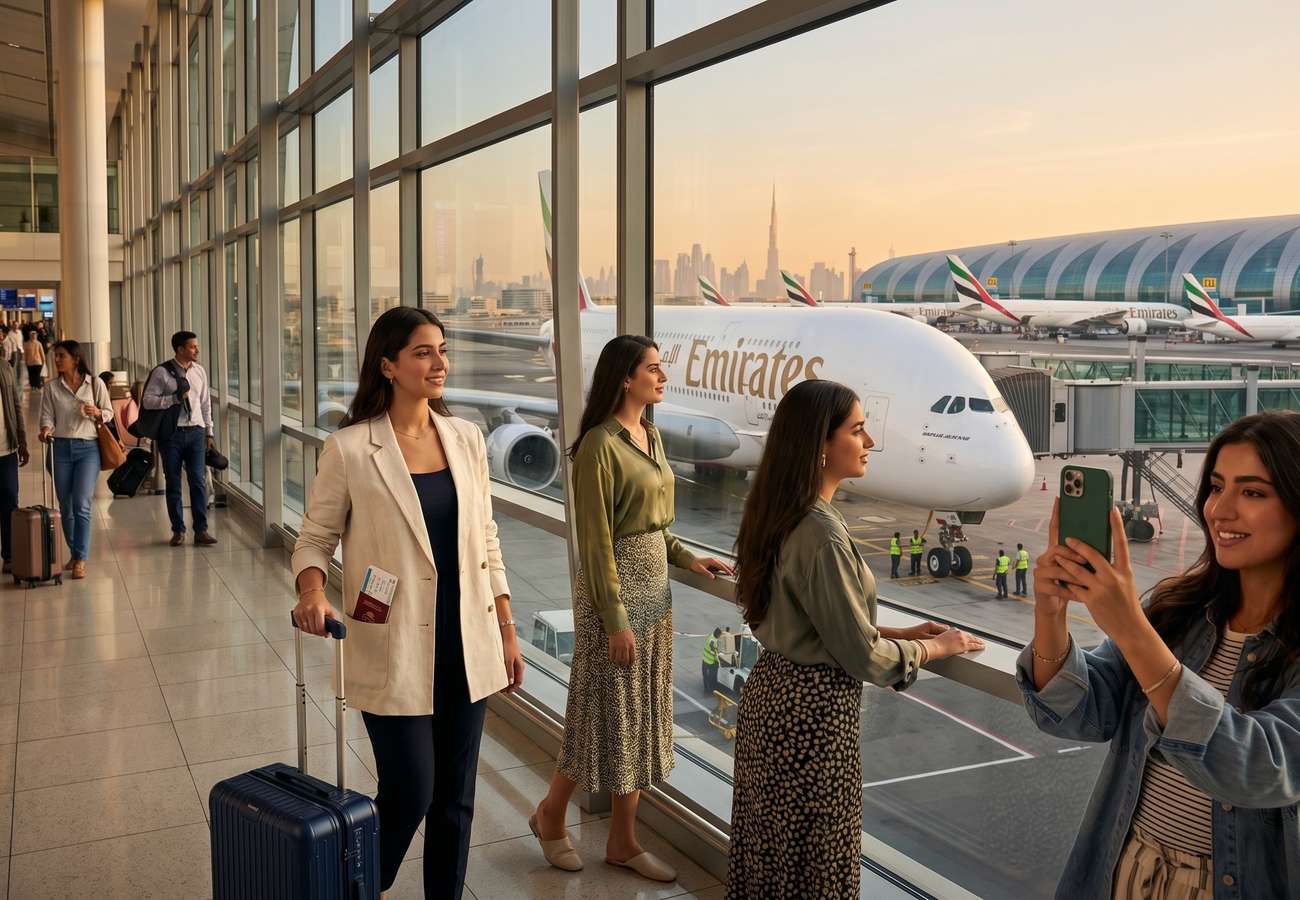
Image generated by AI
[Paris, July 6, 2026] — A fundamental shift in traveler behavior is currently sweeping across the European continent, as France, Italy, Spain, and Germany emerge as the primary hubs for a phenomenon known as "skillidays." Industry reports indicate that nearly 50% of tourists are now transitioning away from traditional passive sightseeing in favor of immersive journeys designed to acquire new practical skills.
This movement represents a structural evolution in the tourism sector, where the primary objective of a trip has shifted from mere relaxation to active personal development. Major urban centers including Rome, Berlin, Barcelona, Amsterdam, and Lisbon are seeing a rapid increase in demand for structured, experience-driven itineraries that blend leisure with education.
European Tourism Shifts Toward Personal Development
National statistical organizations and tourism authorities across Europe have documented a clear change in how visitors value their time abroad. The "skilliday" concept treats the holiday as a vehicle for growth, moving beyond the checklist of monuments to focus on the acquisition of tangible abilities.
Travelers are increasingly seeking out destinations that provide organized frameworks for learning. Current data shows a surge in demand for programs focusing on linguistic fluency, culinary arts, traditional craftsmanship, wellness methodologies, and sustainable living.
France, Italy, Spain, and Germany are currently the dominant forces in this trend. These nations leverage their deep historical archives and robust tourism infrastructures to convert rural villages and metropolitan hubs into open-air classrooms. This shift is closely aligned with European Union mandates to diversify tourism and promote sustainability by spreading visitor traffic beyond the most congested hotspots.
Culinary and Heritage Learning in France and Italy
France and Italy have established themselves as the premier destinations for those seeking mastery in gastronomy and cultural arts. Cities such as Lyon, Paris, Florence, Bologna, and Rome have evolved into centralized hubs for food-based educational tourism.
Visitors are no longer simply dining at Michelin-starred restaurants; they are enrolling in rigorous workshops. These programs cover a wide spectrum of skills, including:
- Advanced regional cooking techniques and traditional baking.
- The scientific and artisanal processes of wine production.
- Heritage-based food preparation methods.
Beyond the cities, the rural landscapes of these two nations are experiencing a tourism renaissance. Small-town economies are being bolstered by visitors who travel specifically for cheese-making workshops, olive oil production seminars, and sustainable vineyard cultivation courses. By integrating education with tradition, these regions are successfully preserving their cultural identities while securing economic viability.
Language Immersion and Creative Arts Across the Iberian Peninsula
In Spain and Portugal, the growth of skill-based travel is heavily concentrated on linguistic and artistic immersion. Major cities like Madrid, Barcelona, Porto, and Lisbon are reporting a spike in short-term enrollments for intensive Spanish and Portuguese language courses.
Unlike traditional classroom settings, these "skillidays" integrate language learning with active community engagement. Students participate in guided historical explorations and local workshops to apply their learning in real-time.
Furthermore, the Iberian Peninsula is expanding its creative tourism portfolio. There is a documented increase in travelers seeking hands-on training in:
- Flamenco dance and regional music theory.
- Traditional pottery and ceramic arts.
- Heritage textile weaving and craft sessions.
Spanish and Portuguese authorities are utilizing these offerings to combat "seasonal tourism," encouraging visitors to travel during the off-peak months to engage in these deeper cultural studies.
Technical and Environmental Education in Germany and Austria
Germany and Austria have adopted a more systematic approach to the skilliday trend, emphasizing technical proficiency, environmental stewardship, and outdoor survival. Berlin, Munich, Vienna, and Salzburg serve as the primary anchors for these structured educational programs.
The German model leverages the country's existing educational infrastructure to offer professional-grade workshops for tourists. These include training in sustainable living, engineering heritage, and traditional woodworking. Northern European nations are mirroring this approach by focusing on "green skills" and eco-conservation.
In the alpine regions of Austria, the trend has manifested as a surge in adventure-based education. Travelers are flocking to the mountains not just for leisure, but for certified instruction in:
- High-altitude mountaineering and hiking safety.
- Advanced winter sports techniques.
- Wilderness survival and environmental protection.
Demographic Drivers and the Influence of Gen Z and Millennials
The acceleration of the skilliday movement is largely attributed to the changing priorities of younger generations. Millennials and Generation Z are fundamentally altering the demand curve by prioritizing "value-add" experiences over luxury or relaxation.
For these demographics, the success of a trip is measured by the skills brought home. This has led to a boom in "digital and creative" skill programs in cities like Milan, Amsterdam, and Berlin. These urban centers now offer short-form intensives in:
- Professional photography and digital content creation.
- Design thinking and entrepreneurial strategy.
- Modern art and multimedia production.
This demographic shift is forcing a total rewrite of tourism marketing strategies. Destinations are no longer selling "sights"; they are selling "competencies."
Economic Redistribution and the Rural Tourism Ecosystem
The economic impact of skill-based tourism is particularly evident in the redistribution of wealth from overcrowded cities to neglected rural areas. Because learning journeys require more time and deeper engagement, visitors are staying longer and spending more within local economies.
In the countryside of Spain, France, and Italy, this has created a new supply chain involving independent instructors, local artisans, and boutique accommodation providers. By shifting the focus from a "one-day visit" to a "two-week course," these regions are seeing a sustainable increase in revenue.
This model effectively reduces the "overtourism" pressure on iconic landmarks in Paris and Rome by incentivizing travelers to spend their time and money in lesser-known villages.
Industry Adaptation and the Future of Learning Holidays
The European hospitality sector is currently restructuring to accommodate this demand. Hotels and resorts are no longer just providing beds; they are partnering with cultural institutions to offer integrated learning packages.
A notable convergence is occurring between wellness tourism and skill acquisition. In Switzerland and southern France, traditional spas are being replaced by holistic education centers offering certified yoga teacher training and meditation mastery programs.
Similarly, the cruise and long-stay sectors are introducing "themed academies" where passengers can learn a new craft or language throughout the duration of their voyage. This evolution suggests that the boundary between the education sector and the travel industry is permanently blurring.
The era of the passive tourist is ending, replaced by a global class of lifelong learners who view the world as their classroom.
Related Travel Guides
Disclaimer
This article is for informational and educational purposes only. It does not constitute legal, financial, or professional advice. While we strive to provide accurate and up-to-date information, travel policies, regulations, and conditions change rapidly. Always verify information with official sources before making travel decisions. Nomad Lawyer makes no representations about the accuracy, reliability, completeness, or suitability of the information provided. Readers should consult qualified professionals for advice specific to their circumstances. The views expressed in this article are those of the author and do not necessarily reflect the views of Nomad Lawyer.
Raushan Kumar
Founder & Lead Developer
Full-stack developer with 11+ years of experience and a passionate traveller. Raushan built Nomad Lawyer from the ground up with a vision to create the best travel and law experience on the web.
Learn more about our team →