
European Destinations Shift to Year-Round Travel Models
Attica, Cyprus, and Madeira lead a European shift to year-round travel, using cultural tourism and gastronomy to extend the summer holiday calendar.
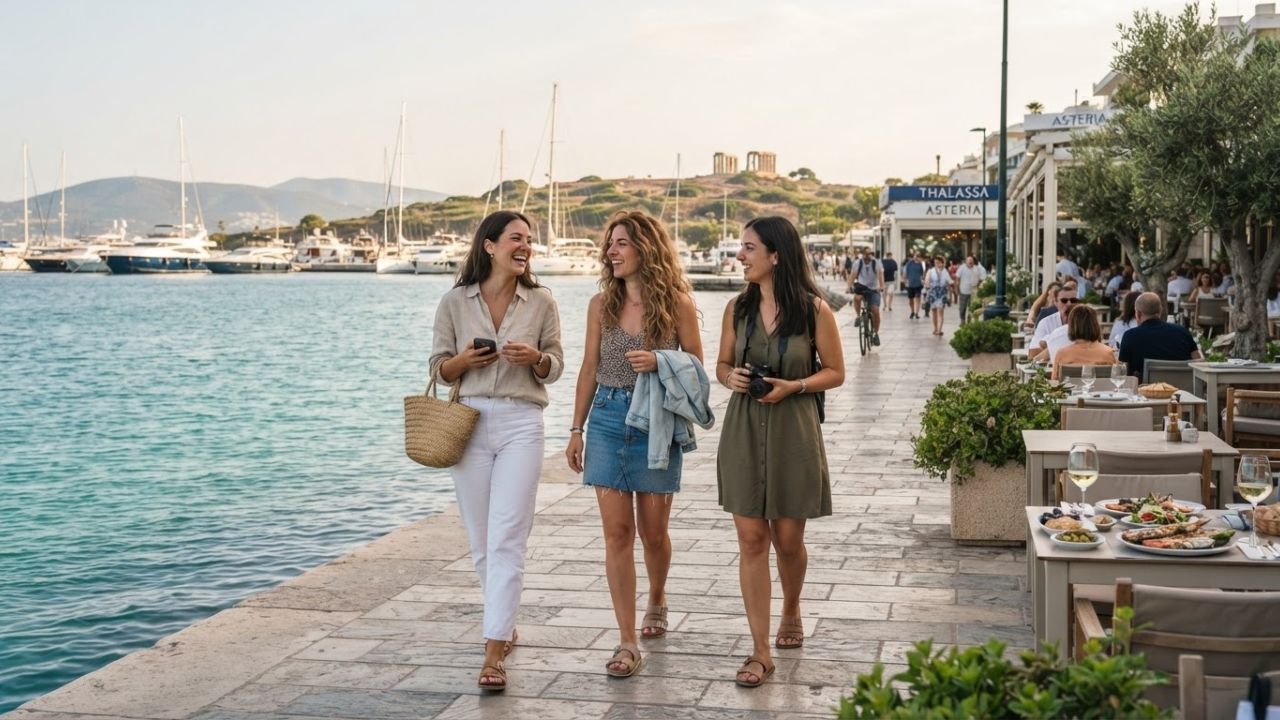
Image generated by AI
European destinations like Greece's Attica region, Portugal's Madeira, and Cyprus are transitioning from summer-only beach holidays to year-round travel models. By combining Mediterranean climates with cultural tourism, wellness, and local gastronomy, these regions aim to resolve seasonal overcrowding and secure long-term economic stability.
Evolving Attica: Unifying Athens City Breaks With the Athenian Riviera
The travel sector in Greece is experiencing a transition as planners build regional destinations to diversify visitor experiences. In August 2026, the cultural integration of the Attica region is offering travelers a sustainable option that connects historic Athens with coastal escapes.
By establishing these seasonal travel corridors, the airline's management aims to support both business and leisure travel flows. Corporate travelers and travel agencies, which maintain strong relationships with global destination management organizations, benefit from direct seat capacity. This economic integration supports the travel sector, providing service providers with a reliable channel for high-value bookings.
By establishing these seasonal travel corridors, the airline's management aims to support both business and leisure travel flows. Canadian corporate travelers and travel agencies, which maintain strong relationships with European and Asian destination management organizations, would benefit from direct seat capacity. This economic integration supports the travel sector, providing service providers with a reliable channel for high-value bookings.
By establishing these seasonal travel corridors, the airline's management aims to support both business and leisure travel flows. Canadian corporate travelers and travel agencies, which maintain strong relationships with European and Asian destination management organizations, would benefit from direct seat capacity. This economic integration supports the travel sector, providing service providers with a reliable channel for high-value bookings.
By establishing these seasonal travel corridors, the airline's management aims to support both business and leisure travel flows. Canadian corporate travelers and travel agencies, which maintain strong relationships with European and Asian destination management organizations, would benefit from direct seat capacity. This economic integration supports the travel sector, providing service providers with a reliable channel for high-value bookings.
By establishing these seasonal travel corridors, the airline's management aims to support both business and leisure travel flows. Canadian corporate travelers and travel agencies, which maintain strong relationships with European and Asian destination management organizations, would benefit from direct seat capacity. This economic integration supports the travel sector, providing service providers with a reliable channel for high-value bookings.
By establishing these seasonal travel corridors, the airline's management aims to support both business and leisure travel flows. Canadian corporate travelers and travel agencies, which maintain strong relationships with European and Asian destination management organizations, would benefit from direct seat capacity. This economic integration supports the travel sector, providing service providers with a reliable channel for high-value bookings.
Head of Directorate of Tourism for the Region of Attica, Athina Kolyva, outlines the region's year-round assets.
Attica features over 130 archaeological attractions, including the Acropolis, and more than 60 museums. Modern venues like the Stavros Niarchos Foundation Cultural Center add contemporary options, while the Athenian Riviera is located 20 minutes from the city. The region also coordinates access to the Saronic islands, including Aegina, Poros, Hydra, and Spetses, along with Kythera and Antikythera.
Madeira and Cyprus: Building Strategic All-Season Frameworks
Strategic destination diversification helps Mediterranean islands expand their travel seasons.
This localized disruption also offers a unique opportunity for duty-free retailers and terminal operators to design services suited for stranded passengers. By monitoring passenger comfort levels during long delays, airport customer teams can provide complimentary amenities to ensure guest satisfaction. This proactive approach helps build traveler confidence, ensuring that regional transit routes remain competitive with global hub standards.
This localized disruption also offers a unique opportunity for duty-free retailers and terminal operators to design services suited for stranded passengers. By monitoring passenger comfort levels during long delays, airport customer teams can provide complimentary amenities to ensure guest satisfaction. This proactive approach helps build traveler confidence, ensuring that regional transit routes remain competitive with global hub standards.
Madeira, Portugal, utilizes its mild Atlantic climate to support levada hiking trails and annual festivals.
The UNESCO-listed Laurissilva forest offers nature walks, while Porto Santo provides wellness escapes. Cyprus promotes its National Tourism Strategy 2030 to establish the island as an all-season market, linking coastal resorts with wine-growing regions, heritage villages, and cycling routes to support local producers.
By diversifying tourism segments, destinations can mitigate the economic strains of summer seasonality. Integrating cultural routes and cycling networks helps spread the environmental footprint, preserving fragile ecosystems while ensuring stable, year-round municipal employment for local operators.
Community Support and Sustainable Shoulder-Season Management
Spreading travel arrivals into autumn and spring helps sustain regional hospitality employment.
This environmental focus is supported by regional climatologists and conservationists who monitor ecosystem health. By tracking tourist footprint signals, managers can ensure that natural areas remain protected. The integration of carrying-capacity policies with wilderness trails demonstrates how tourism planning can protect biodiversity while offering high-quality educational hikes.
This localized culinary focus also offers a unique opportunity for restaurant associations and culinary schools to design programs suited for premium travelers. By monitoring traveler culinary preferences during long stays, local chefs can provide customized dishes to ensure guest satisfaction. This proactive approach helps build traveler confidence, ensuring that Goan coastal dining remains competitive with global culinary standards.
This localized culinary focus also offers a unique opportunity for restaurant associations and culinary schools to design programs suited for premium travelers. By monitoring traveler culinary preferences during long stays, local chefs can provide customized dishes to ensure guest satisfaction. This proactive approach helps build traveler confidence, ensuring that Goan coastal dining remains competitive with global culinary standards.
Attica participates in European sustainable tourism projects to protect sensitive island environments.
Resource management initiatives address water and energy consumption. For the visitor, the real impact is visiting destinations where off-peak travel spending directly supports local tavernas, family-owned guesthouses, and municipal ferry crews.
Visitor Guide: Local Specialties, Ferry Logistics, and Off-Peak Rules
Exploring Attica's historic sites and coordinating Saronic island hopping involves planning ferry transfers, utilizing public transit, and trying regional delicacies.
Sample traditional culinary specialties during your stay. Savor Aegina pistachios, local extra virgin olive oil, and feta cheese. Visit vineyards near Athens to sample Savatiano white wine and traditional Greek dishes at local tavernas.
Coordinate your local transport. Fly to Athens International Airport (ATH). Board the Metro Line 3 or take the X96 express bus directly to Piraeus Port, and catch a high-speed hydrofoil ferry to Aegina for a fare of 10 to 20 EUR.
Observe travel guidelines and regulations. Passports must have at least 6 months of validity beyond your stay for Schengen entry. Research off-peak ferry schedules, as connections decline starting in October.
Future Outlook: Rebuilding a Resilient Mediterranean Tourism Model
The long-term development of European tourism depends on distributing demand across the year. Regional tourism directories and planning boards are collaborating to support regional travel pipelines.
Sustainable initiatives include building low-emission shuttle links, promoting eco-friendly guesthouses, and introducing cultural heritage guides. By combining smart visitor management with traditional agricultural preservation, the region aims to support travel innovation, securing a resilient and connected future for Central Europe's mountain communities.
Related Travel Guides
Disclaimer
This article is for informational and educational purposes only. It does not constitute legal, financial, or professional advice. While we strive to provide accurate and up-to-date information, travel policies, regulations, and conditions change rapidly. Always verify information with official sources before making travel decisions. Nomad Lawyer makes no representations about the accuracy, reliability, completeness, or suitability of the information provided. Readers should consult qualified professionals for advice specific to their circumstances. The views expressed in this article are those of the author and do not necessarily reflect the views of Nomad Lawyer.