
Travel Trends Croatia 2026: Cruise Sector Faces Critical Inflection Point
Croatia's cruise tourism navigates geopolitical tensions, economic pressures, and shifting traveler behavior in 2026. How the Adriatic is repositioning its strategy.

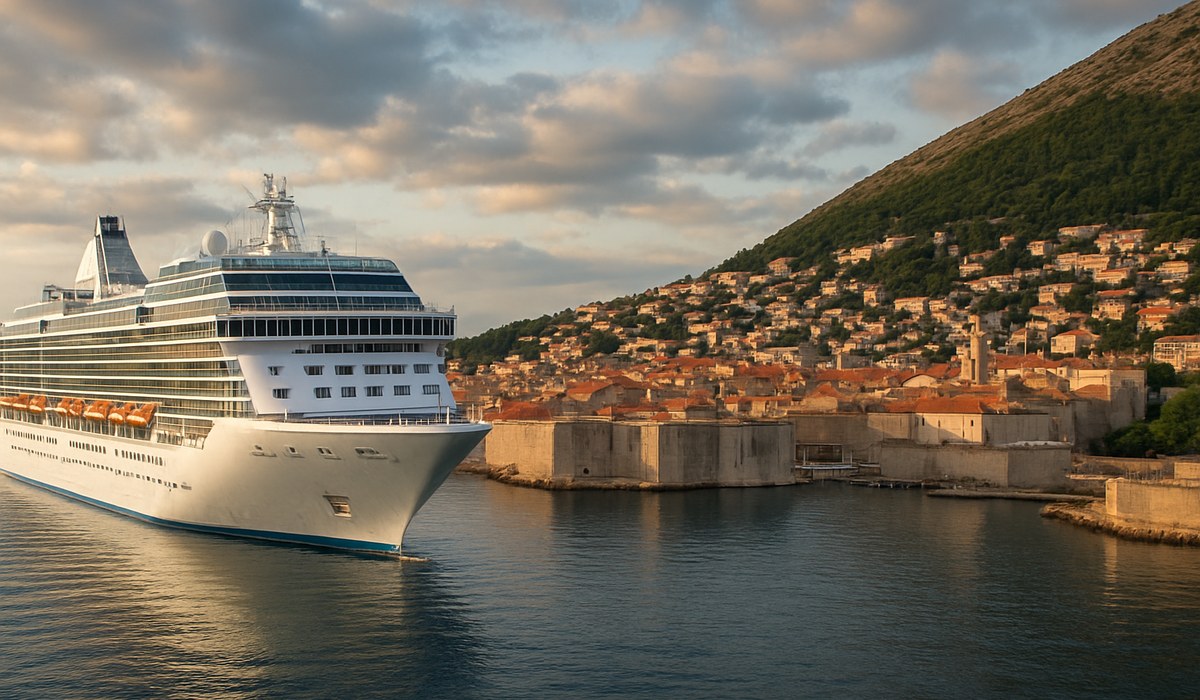
Image generated by AI
**> Quick Summary
- Croatia's cruise tourism is experiencing simultaneous pressures from Mediterranean geopolitical tensions, European cost-of-living crisis, and post-pandemic demand shifts
- Regional instability is forcing cruise lines to reroute itineraries away from traditional Adriatic passages, extending voyage times and reducing profitability
- UK and Northern European households are cutting leisure spending, directly impacting Croatian ports' core demographic of affluent cruise passengers
- Industry leaders must pivot toward premium positioning, shorter itineraries, and emerging markets to sustain growth through 2026 and beyond**
Croatia's Cruise Sector at a Crossroads: Three Converging Crises
The Adriatic was supposed to be Europe's safest bet for stable cruise tourism in 2026. Instead, Croatia finds itself navigating a perfect storm of interconnected pressures that are forcing industry stakeholders to rethink decades-old growth assumptions.
Three distinct challenges are colliding simultaneously. Geopolitical tensions in the broader Mediterranean region are disrupting traditional shipping corridors and forcing cruise operators to make costly route adjustments. At the same time, UK households struggling with cost-of-living pressures are depleting savings faster than expected, shrinking the disposable income available for leisure cruises. And beneath both of these pressures sits a deeper structural shift: post-pandemic traveler behavior has fundamentally altered who books cruises, where they want to go, and what they're willing to pay.
"This is a defining moment," said one port authority official in Split, speaking on condition of anonymity. "We're not facing a temporary dip. We're facing a reallocation of demand."
The stakes are significant. According to the Cruise Lines International Association, Mediterranean capacity bookings in early 2026 are tracking 12–15% below comparable periods in 2023 and 2024. For Croatia, which has positioned itself as the crown jewel of Eastern Mediterranean cruising, that shortfall translates directly into reduced passenger volumes at ports across Dalmatia.
Geopolitical Tensions Reshaping Mediterranean Itineraries
The disruption to Mediterranean logistics isn't new, but its impact on cruise routing is only now crystallizing. Red Sea tensions and broader regional instability have created a cascading effect that extends far beyond shipping lanes.
When cruise lines recalculate transit routes to avoid high-risk corridors, they don't simply add a few extra miles. They extend voyage times, consume additional fuel, and compress itinerary windows that traditionally included multiple Croatian ports. A seven-day Adriatic circuit that once called at Dubrovnik, Split, Zadar, and Rovinj is now competing against eight-day western Mediterranean routes that avoid the region entirely—or nine-day transatlantic crossings that position ships away from European ports altogether.
"Rerouting isn't a neutral decision," explained a cruise logistics expert familiar with Mediterranean operations. "It's a choice between profitability and risk exposure."
The Seatrade Cruise industry data shows that itinerary modifications away from traditional Adriatic routes increased by 34% in the first quarter of 2026 compared to the same period in 2025. Some lines have quietly extended the number of Caribbean and Eastern Mediterranean itineraries that bypass Croatian ports entirely, opting instead for ports in Greece, Turkey, and the southern Tyrrhenian.
Red Sea shipping disruptions and geopolitical risks create a domino effect that impacts fuel surcharges, voyage scheduling, and ultimately the price cruise operators can charge passengers. Higher operating costs get passed downstream to consumers, who are already squeezed by inflation.
Economic Headwinds in Key European and North American Markets
The demand side of the equation is equally troubling. Europe's two largest source markets for Croatian cruises—the United Kingdom and Germany—are both experiencing significant consumer pullback in discretionary travel spending.
Summer travel inflation pressures are compressing leisure budgets across the continent. Fuel costs remain elevated compared to pre-pandemic baselines, and cruise lines have been unable to fully absorb those increases. Ticket prices for comparable itineraries have climbed 18–22% since 2024, pricing out middle-income families who historically formed the bulk of European cruise passengers.
The UK market is particularly vulnerable. Households across Northern Europe are reporting record savings depletion, with leisure travel budgets being cut in favor of essentials. This isn't a temporary adjustment—it reflects structural shifts in purchasing power that won't reverse quickly. When a family has to choose between paying utilities, managing mortgage payments, and booking a cruise, the cruise invariably loses.
Scandinavian and Dutch passengers—traditionally premium segments for Croatian itineraries—are either downsizing to regional river cruises or canceling altogether. North American cruise demand, while somewhat insulated from European inflation pressures, is also softening as US fuel prices remain volatile and cruise line capacity in the Atlantic basin continues to exceed demand.
"We're seeing a polarization," noted one travel analyst covering the cruise sector. "Ultra-luxury cruises are holding pricing. Budget and mid-market segments are collapsing."
Repositioning Strategy: How Croatia Can Compete in 2026
Unlike air travel or hotel accommodations, cruise itineraries can't be rapidly recalibrated. Ships are built for specific routes and passenger capacities, and repositioning takes time. But Croatia's port authorities, tourism boards, and private operators are beginning to make strategic moves for the remainder of 2026.
Premium Repositioning
Rather than compete for volume, several major ports are investing in luxury infrastructure to attract ultra-high-net-worth passengers and expedition-style cruises. These segments are less price-sensitive and more willing to pay premium docking fees in exchange for exclusive experiences. Dubrovnik's push toward six-star cruise experiences—private chef experiences, concierge services, bespoke shore excursions—is an example of this pivot.
Itinerary Diversification
Ports are also working with cruise lines to develop shorter, more flexible itineraries. Instead of seven-day voyages, the focus is shifting toward four- and five-day circuits that can be combined with land-based components. This allows travelers on tighter budgets to experience Croatian ports while spending less on the cruise component itself.
Regional Market Development
Croatian tourism authorities are beginning to cultivate demand from Eastern Europe, Southeast Asia, and Latin America—markets that were historically underrepresented in cruise bookings but are showing stronger demand elasticity in 2026. This requires marketing investment and partnerships with cruise lines operating smaller ships on emerging routes.
Operational Efficiency
Port authorities are also streamlining docking procedures, reducing berthing times, and negotiating better terms with cruise operators. Faster turnarounds mean ships can serve more ports in the same timeframe, increasing passenger throughput even if per-ship volumes decline.
FAQ
Q: Are cruise lines abandoning Croatian ports entirely?
A: No. But they're being more selective about which ports to include and how frequently. Major ports like Dubrovnik and Split remain anchor points for Mediterranean itineraries, but secondary ports are experiencing reduced traffic. Cruise lines are optimizing for profitability rather than pure volume.
**Q: How much is fuel cost impacting
Disclaimer
This article is for informational and educational purposes only. It does not constitute legal, financial, or professional advice. While we strive to provide accurate and up-to-date information, travel policies, regulations, and conditions change rapidly. Always verify information with official sources before making travel decisions. Nomad Lawyer makes no representations about the accuracy, reliability, completeness, or suitability of the information provided. Readers should consult qualified professionals for advice specific to their circumstances. The views expressed in this article are those of the author and do not necessarily reflect the views of Nomad Lawyer.
Raushan Kumar
Founder & Lead Developer
Full-stack developer with 11+ years of experience and a passionate traveller. Raushan built Nomad Lawyer from the ground up with a vision to create the best travel and law experience on the web.
Learn more about our team →