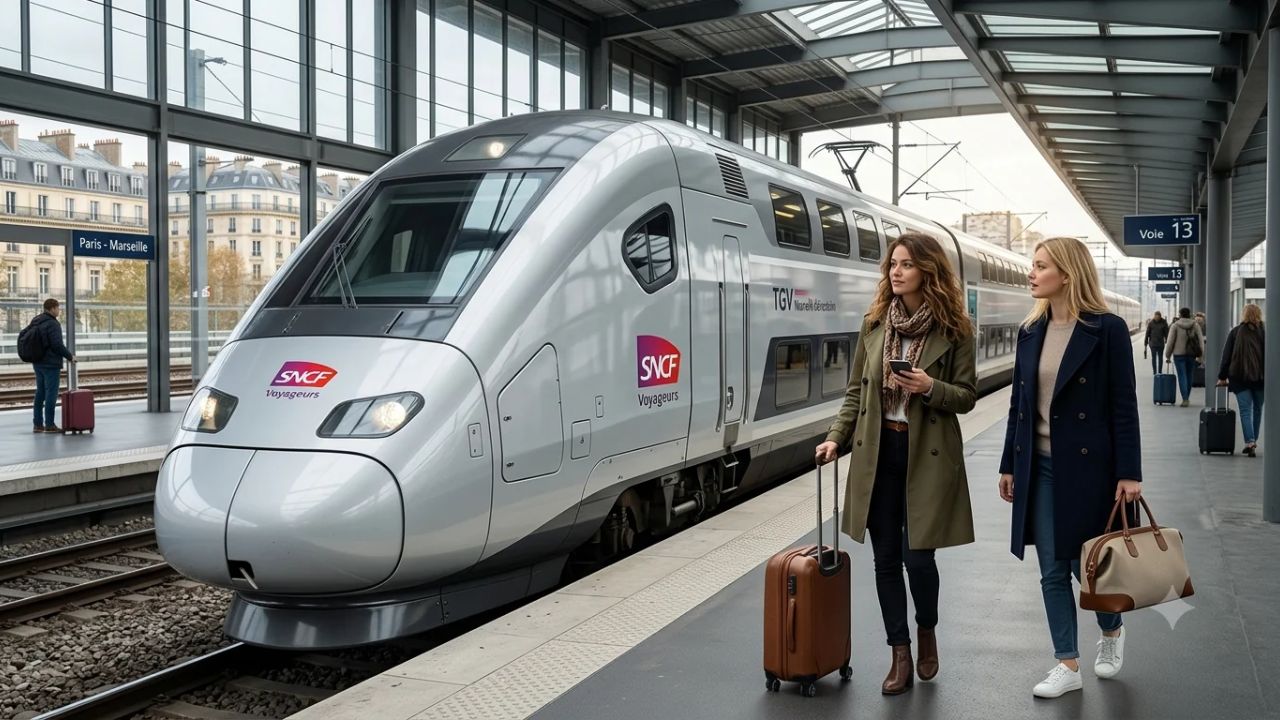
France and Italy Redefine Rail Travel: Guide to Europe's Most Beautiful New Train Stations 2026

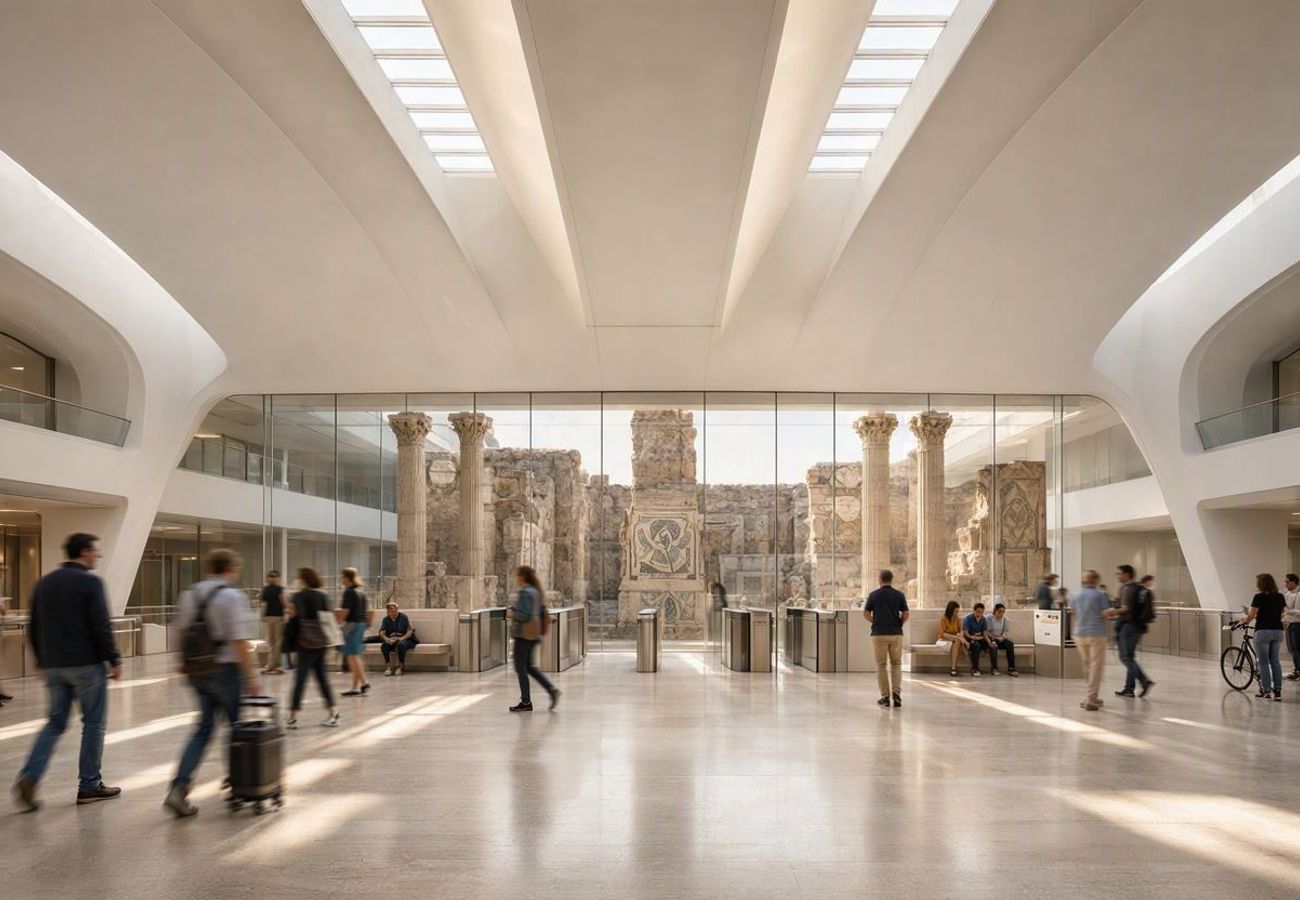
Image generated by AI
Are you planning a trip through France or Italy in 2026 and wondering how the latest railway upgrades will affect your transit? The landscape of European rail is shifting from simple transit points to multifunctional urban hubs, meaning your arrival and departure experience is now a part of the destination itself.
The 2026 Evolution of European Rail Hubs
France and Italy have led a movement to integrate high-capacity transport with cultural preservation and urban regeneration. The "Most Beautiful New Train Stations 2026" designation isn't just about aesthetics; it marks a shift toward multimodal hubs that reduce road congestion and integrate rail, metro, and local transit into a single, fluid ecosystem.
In France, the focus has been on scaling capacity and urban integration, while Italy has pioneered the "museum-station" concept, where archaeological finds are preserved in situ for passengers to view during their commute. This transformation means travelers can now expect shorter transfer times between different modes of transport and an increased number of commercial services within the terminals.
Route and Station Logistics Summary
The following table breaks down the primary developments across the highlighted hubs, focusing on their operational purpose and traveler impact.
| Station | Country | Primary Focus | Transport Types | Status/Impact |
|---|---|---|---|---|
| Lyon Part-Dieu | France | Multimodal Hub | High-speed, Regional, Urban | Enhanced Int'l Connectivity |
| Colosseo–Fori Imperiali | Italy | Heritage Integration | Rome Metro Line C | Direct Historic Center Access |
| Monte Sant’Angelo | Italy | Artistic Design | Naples Metro | Cultural Mobility Experience |
Traveler Logistics Guide
Navigating these modernized hubs requires a different approach than traditional stations. Here is the step-by-step logistical breakdown for each location.
Lyon Part-Dieu (France)
As one of France's most critical interchanges, Lyon Part-Dieu has transitioned into a community-oriented space.
- Connection Strategy: Use the expanded circulation areas to move between high-speed TGV lines and regional TER services. The station is now better integrated with the SNCF (French National Railway) network, reducing the time spent searching for platforms.
- Ground Transport: The surrounding district has been regenerated. Prioritize the pedestrian-first routes to reach nearby hotels and commercial zones rather than relying on taxis, which can be congested.
- Booking Tip: Ensure you use digital ticketing for regional connections to bypass the redesigned but often crowded physical kiosks.
Colosseo–Fori Imperiali (Italy)
Opened in December 2025, this station is a primary gateway for those visiting the heart of Rome.
- Transit Flow: This station is part of the ATAC Roma Metro Line C expansion. It is designed to funnel tourists directly toward the Colosseum and Roman Forum.
- Customs & Security: Expect higher security presence due to the proximity to major landmarks. Allow an extra 15 minutes for entry during peak tourist seasons.
- Passenger Experience: The station doubles as an archaeological site. If you have a longer layover or are arriving early, the integrated historical displays provide a curated introduction to the city's ruins.
Monte Sant’Angelo (Italy)
Located in Naples, this station emphasizes the "art station" philosophy.
- Navigation: The layout is immersive and artistic, reflecting Naples' volcanic geography. While visually stunning, the non-traditional design can be confusing for first-time visitors. Follow the digital signage strictly to locate exits.
- Connectivity: This hub is a key part of the Naples metro strategy to improve sustainable urban mobility. It is the optimal choice for those staying in the city's artistic or residential districts.
Regional Connectivity Impact
These developments are fundamentally altering how travelers move through Western Europe. By turning stations into destinations, France and Italy are encouraging "slow travel," where the transit experience is integrated into the itinerary.
The expansion of Rome's Metro Line C and the redevelopment of Lyon's hub reduce the reliance on ride-sharing and rental cars in city centers, which are increasingly implementing restricted traffic zones (ZTLs in Italy). For the nomad traveler, this means a higher reliance on integrated transit passes and digital wallets. The shift toward multimodal hubs means that a single ticket or app can now often cover the journey from a high-speed rail line to a local metro and finally to a bike-share program.
FAQ: European Rail Transit 2026
Do I need a special pass for the new Rome Metro Line C stations? Standard ATAC tickets and integrated Roma Pass options are valid for Colosseo–Fori Imperiali. Digital ticketing via the official app is recommended to avoid queues at the new terminals.
How much layover time should I allow at Lyon Part-Dieu? While circulation has improved, it remains a high-traffic hub. Allow at least 45 minutes for transfers between high-speed TGV and regional trains to account for the expanded terminal size.
Can I check bags through to my final destination at these stations? No. These are transit hubs, not full-service logistics terminals. You are responsible for your luggage during transfers between the Metro and national rail lines.
Is the Colosseo–Fori Imperiali station accessible for wheelchairs? Yes, as part of the 2025/2026 upgrades, the station was built with modern accessibility standards, including elevators and tactile paving for visually impaired passengers.
Travel smarter by treating the station as the first stop of your sightseeing tour.
Related Travel Guides
This article is for informational purposes. Flight routes, passenger regulations, visa rules, and transit advisories are subject to change by airlines and aviation authorities. Readers are advised to verify schedules and travel documentation with relevant carriers and border agencies before departure.
Related Stories

Winter Logistics in Annecy: Non-Skiing Travel Guide, Rail Costs, and Budgets for 2026

France Expands Winter Rail Travel: SNCF Deploys New OUIGO Routes and Over 336,000 Extra TGV Seats for Christmas Markets and Ski Resorts