
Unife Europe High-Speed Rail Funding: Carbon Emissions Revenue Plan
Europe's rail industry proposes using EU emissions trading revenue to fund a €546bn high-speed network. Unife's bold financing plan could accelerate cross-border rail connectivity by 2030.

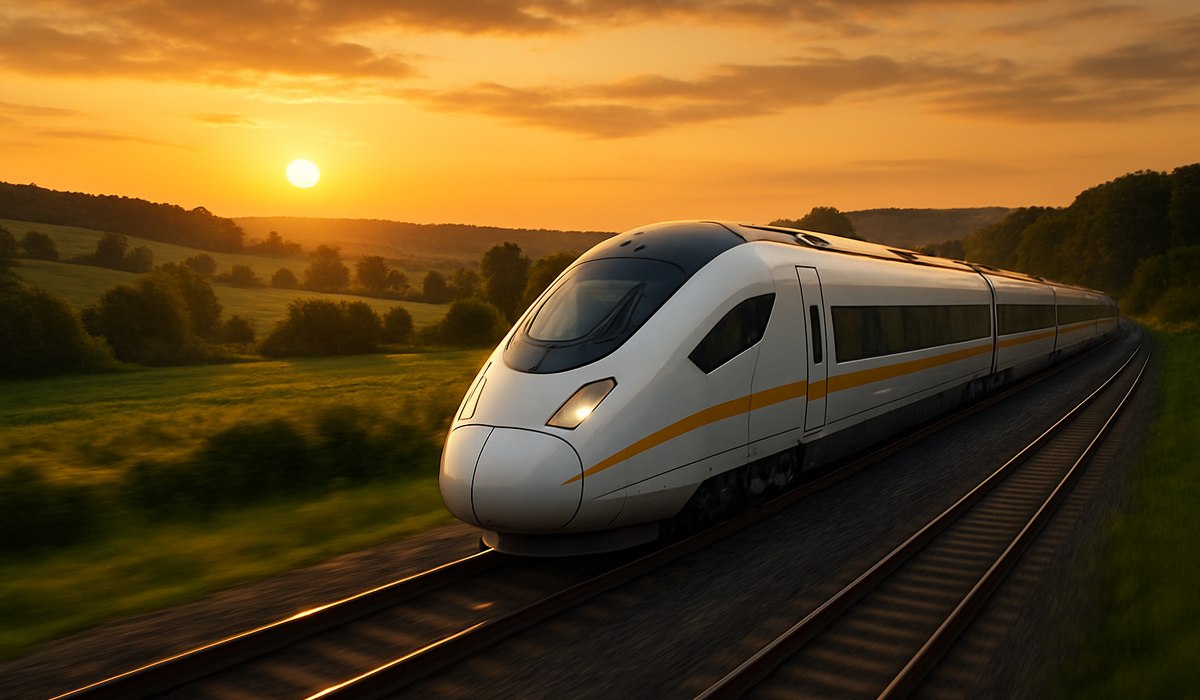
Image generated by AI
Europe's Rail Industry Proposes Carbon-Backed Funding for €546bn Network Expansion
The European Rail Supply Industry Association (Unife) has introduced a groundbreaking financing proposal to bankroll Europe's transformative high-speed rail network. The organization recommends channeling revenue from the EU's Emissions Trading System directly into rail infrastructure development. This innovative approach addresses the €546bn cost estimated by the European Commission's High-Speed Masterplan unveiled in November 2025. The proposal represents a significant shift in how Europe might fund sustainable transport infrastructure, making polluters financially responsible for cleaner alternatives. Unife's recommendation comes as member states and financial institutions grapple with funding mechanisms for continental rail expansion targeting 250km/h-plus operations across major cities.
The €546bn High-Speed Vision: Europe's Connectivity Ambition
The European Commission's High-Speed Masterplan represents an unprecedented commitment to rail modernization across the continent. This comprehensive blueprint envisions tripling Europe's existing high-speed network, with €345bn dedicated specifically to the Trans-European Transport Network (TEN-T) corridors. The initiative aligns with the Sustainable and Smart Mobility Strategy, aiming to double high-speed traffic by 2030 and triple it by 2050. Infrastructure improvements will enable seamless cross-border operations at speeds exceeding 250 kilometers per hour between major metropolitan areas. The Commission projects net benefits reaching €750bn, suggesting substantial economic returns beyond carbon reduction targets. Implementation timelines suggest the High-Speed Rail Deal financing strategy will launch by autumn 2026, coordinating public-private investment mechanisms across member states.
For comprehensive details on European rail corridor development, consult the European Commission's official TEN-T corridor information.
Unife's Emissions Trading Solution: Polluters Funding Sustainable Transport
Unife's proposal leveraging emissions trading system revenues presents a philosophically elegant funding mechanism that ties polluter responsibility directly to sustainable infrastructure investment. The EU's Emissions Trading System generates substantial annual revenue from carbon allowances sold to major industrial polluters. By redirecting these funds toward high-speed rail development, the financing model creates a virtuous cycle: polluting industries fund the infrastructure that reduces transportation emissions. This approach complements traditional public financing while distributing costs across economic actors benefiting from current fossil fuel advantages. Unife director general Enno Wiebe emphasized that "polluters must contribute their fair share to building a sustainable and future-ready European transport network." The association proposes ETS revenue form the predominant funding source, working alongside EU grants and member state contributions to ensure consistent capital availability throughout the multi-decade construction phase.
Learn more about EU emissions trading mechanisms through official Commission resources.
Alternative Financing Mechanisms and Strategic Recommendations
Beyond emissions trading revenues, Unife advocates for complementary funding approaches to accelerate project delivery. Infrastructure bonds backed by future revenue streams offer innovative debt mechanisms attracting private capital and institutional investors seeking long-term, stable returns. The association recommends accessing the new €409bn EU Competitiveness Fund for rail infrastructure projects, strengthening industrial capacity while funding network expansion. Doubling the next Connecting Europe Facility budget from €51.7bn to €100bn would dramatically increase grant availability for 2028-2034 implementation phases. Unife strategically discourages reliance on complex public-private partnerships, citing fiscal risks and administrative burden that often delay project completion. Instead, the association champions transparent public grants supported by member state contributions and publicly-backed debt financing, reserving private lending for supplementary roles. This diversified approach reduces single-source dependency while maintaining accountability to European taxpayers and environmental commitments.
Timeline, Sustainability Goals, and Implementation Strategy
The European Commission's roadmap establishes clear targets linking high-speed rail expansion to climate objectives. By 2030, the region must achieve carbon-neutral public transport for journeys under 500 kilometers, requiring rapid infrastructure deployment beginning immediately. The High-Speed Rail Deal financing strategy launching in autumn 2026 will formalize coordination mechanisms between EU institutions, member states, financial institutions, and industry stakeholders. Rolling stock procurement must accelerate through shortened design phases and expedited validation protocols, reducing typical development timelines. Unife recommends systematic adoption of digital tools and data analytics to de-risk projects, while establishing long-term strategic frameworks promoting sustained private investment confidence. Export credit agencies and international financial institutions will supplement public funding, particularly for cross-border sections requiring coordinated financing across multiple jurisdictions. Advisory services providing technical and financial guidance throughout feasibility, design, and operational phases ensure cost-effective, safe implementation while maintaining European technological sovereignty against non-aligned external suppliers.
Key Data: Unife Europe High-Speed Rail Funding Framework
| Metric | Value | Notes |
|---|---|---|
| Total Network Cost | €546 billion | Complete continental high-speed network expansion |
| TEN-T Corridor Investment | €345 billion | Priority cross-border connectivity corridors |
| Projected Net Benefit | €750 billion | Economic returns exceeding initial investment |
| Competitiveness Fund Access | €409 billion | Available for rail infrastructure projects |
| Next CEF Draft Budget | €51.7 billion | Current proposal for 2028-2034 period |
| Recommended CEF Increase | €100 billion | Unife proposal doubling available grants |
| Target Operating Speed | 250+ km/h | Minimum speed for major city connections |
| Traffic Growth Target 2030 | Double 2025 levels | Sustainable mobility strategy objective |
| Traffic Growth Target 2050 | Triple 2025 levels | Long-term climate and connectivity goals |
| Carbon Neutrality Deadline | 2030 | EU target for sub-500km journeys |
What This Means for Travelers: Practical Implications for 2026 and Beyond
European travelers can anticipate substantial improvements to rail connectivity, comfort, and journey times as the high-speed network expands under these new financing mechanisms. Here's what the Unife funding proposal means for your travel plans:
-
Expanded Route Networks: Expect new high-speed connections linking secondary cities to major hubs by 2028-2030, reducing reliance on aviation for continental journeys and lowering travel costs through competitive pricing pressures.
-
Faster Journey Times: Infrastructure upgrades enabling 250+ km/h operations will compress travel duration between major European cities, making rail increasingly competitive with air travel while offering superior city-center connectivity.
-
Improved Service Frequency: Dedicated high-speed corridors reduce congestion, permitting higher daily train frequencies and improving schedule reliability, particularly beneficial for business travelers and time-sensitive itineraries.
-
Environmental Travel Options: Clean, electric high-speed rail becomes increasingly accessible across Europe, enabling eco-conscious travelers to minimize carbon footprints while enjoying premium mobility experiences.
-
Economic Accessibility: Competitive market dynamics and increased capacity may drive ticket prices downward, making pan-European rail travel affordable for budget-conscious adventurers and families exploring multiple countries.
-
Digital Integration: Accelerated adoption of digital booking systems, real-time information platforms, and seamless cross-border ticketing simplifies journey planning and reservation processes across multiple operators.
FAQ: Unife Europe High-Speed Rail Funding Questions
How will emissions trading system revenue fund rail projects? The EU's ETS generates billions annually from industrial carbon allowances. Unife proposes redirecting these revenues to high-speed rail construction, making polluters financially contribute to sustainable alternatives. This mechanism creates dedicated funding streams independent of annual budget cycles, ensuring consistent capital availability for multi-year infrastructure projects.
When will new high-speed lines actually open to travelers?
Disclaimer
This article is for informational and educational purposes only. It does not constitute legal, financial, or professional advice. While we strive to provide accurate and up-to-date information, travel policies, regulations, and conditions change rapidly. Always verify information with official sources before making travel decisions. Nomad Lawyer makes no representations about the accuracy, reliability, completeness, or suitability of the information provided. Readers should consult qualified professionals for advice specific to their circumstances. The views expressed in this article are those of the author and do not necessarily reflect the views of Nomad Lawyer.
Kunal K Choudhary
Co-Founder & Contributor
A passionate traveller and tech enthusiast. Kunal contributes to the vision and growth of Nomad Lawyer, bringing fresh perspectives and driving the community forward.
Learn more about our team →