
France and Europe Tourism Disruptions 2026: Eiffel Tower Closures and Eurostar Heatwave Delays
Severe 2026 heatwaves have triggered precautionary closures at the Eiffel Tower and operational disruptions for Eurostar services, forcing a shift in European summer travel patterns.

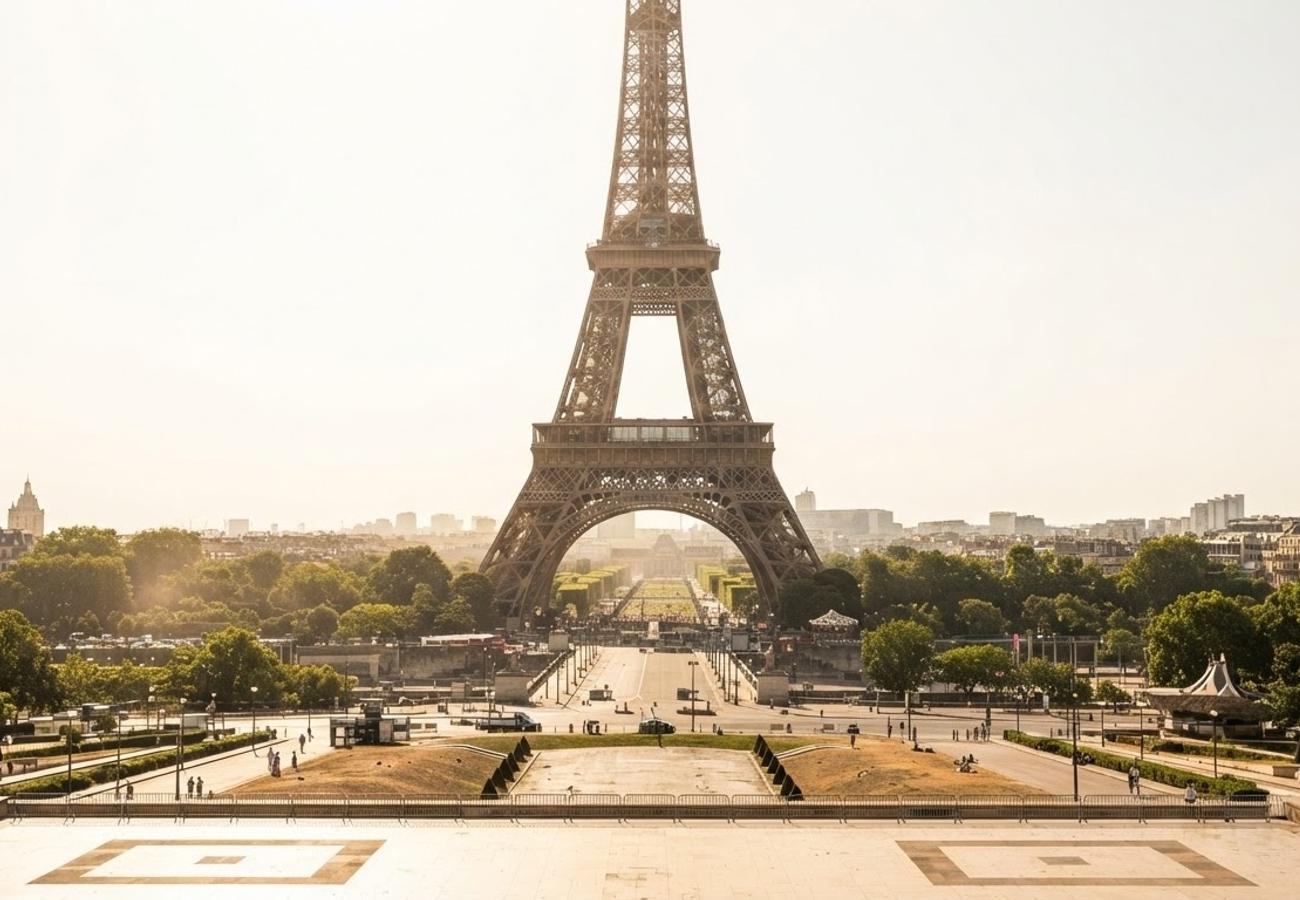
Image generated by AI
Severe heatwaves across Europe have forced the Eiffel Tower to implement emergency afternoon closures and caused systemic delays across the Eurostar rail network. These disruptions mark a critical shift in how major European hubs manage peak-season tourism under extreme climate stress.
Climate-Driven Operational Shifts in France and Europe
The 2026 summer season has been defined by unprecedented thermal stress, leading to immediate operational changes at some of the world's most visited sites. In Paris, authorities have prioritized public health over visitor volume, implementing temporary afternoon closures at the Eiffel Tower. These measures are designed to mitigate the risk of heat-related illnesses for both the millions of annual visitors and the staff operating the landmark.
Beyond individual attractions, the regional transport infrastructure has shown vulnerability to rising temperatures. Eurostar, the primary high-speed rail link connecting London, Paris, Brussels, and Amsterdam, has reported a series of cancellations and delays. High temperatures directly impact railway infrastructure, specifically affecting track stability and signaling systems, which necessitates slower speeds and increased safety monitoring.
Transit Impact and Route Specifications
The following table outlines the specific areas of disruption and the nature of the operational changes implemented during the 2026 heatwave.
| Transit Entity / Landmark | Primary Impact | Cause of Disruption | Operational Response |
|---|---|---|---|
| Eiffel Tower | Temporary Closures | Dangerous temperature peaks | Afternoon shutdowns; revised visitor hours |
| Eurostar (London-Paris-Brussels-Amsterdam) | Cancellations & Delays | Rail infrastructure stress | Increased signaling monitoring; speed reductions |
| Urban Walking Tours | Schedule Shifts | Extreme midday heat | Migration of activities to early morning/late evening |
| Southern European Hubs (Rome, Madrid, Athens) | Capacity Management | Sustained heatwaves | Installation of hydration points and shade zones |
Traveler Logistics Guide: Navigating Extreme Heat
From a ground-level perspective, the best way to navigate these disruptions is to abandon the traditional "midday sightseeing" model. The volatility of 2026 weather patterns means that fixed itineraries are now a liability.
Booking and Connection Strategies When booking Eurostar or high-speed rail connections during heat alerts, avoid tight transfers. Infrastructure stress often leads to "cascading delays," where a 30-minute delay in London can result in a missed connection in Brussels. Allow a minimum of three hours between international rail legs during peak summer months.
Navigating Landmark Access For attractions like the Eiffel Tower, rely on official real-time digital updates rather than pre-booked time slots alone. Use official apps or government tourism portals to verify if "dangerous heat" protocols have been activated for the afternoon.
Digital Transit Policies and Safety Travelers should prioritize the following logistics:
- Hydration Logistics: In cities like Madrid and Athens, utilize municipal "hydration maps" now provided by city councils to locate free water refill stations.
- Shoulder-Season Shifting: There is a visible trend of experienced travelers shifting bookings to May, June, or September to avoid the thermal peaks of July and August.
- Indoor Prioritization: Schedule museum visits and indoor cultural experiences between 12:00 PM and 4:00 PM to avoid peak UV and heat exposure.
Infrastructure Impact Assessment
The current disruptions signal a mandatory transition toward climate resilience in European tourism. The reliance on legacy infrastructure—such as rail tracks not designed for sustained 40°C+ temperatures—is becoming a systemic risk.
For the tourism industry, this necessitates a move away from the "peak summer" dependency. We are seeing a structural shift where destinations are incentivized to promote "shoulder season" travel to distribute visitor loads and reduce the strain on urban infrastructure during heatwaves. The ability of a city to provide "thermal comfort" (via green corridors, shaded walkways, and cooled transit hubs) is becoming a competitive advantage in attracting high-value tourism.
The future of European travel depends on the rapid integration of climate adaptation into the core of transit and tourism planning.
Related Travel Guides
Disclaimer
This article is for informational and educational purposes only. It does not constitute legal, financial, or professional advice. While we strive to provide accurate and up-to-date information, travel policies, regulations, and conditions change rapidly. Always verify information with official sources before making travel decisions. Nomad Lawyer makes no representations about the accuracy, reliability, completeness, or suitability of the information provided. Readers should consult qualified professionals for advice specific to their circumstances. The views expressed in this article are those of the author and do not necessarily reflect the views of Nomad Lawyer.
Preeti Gunjan
Contributor & Community Manager
A passionate traveller and community builder. Preeti helps grow the Nomad Lawyer community, fostering engagement and bringing the reader experience to life.
Learn more about our team →