
Moroccan Palace Living: Inside Four Seasons Rabat's Atlantic Summer Experience
Four Seasons Hotel Rabat at Kasr Al Bahr unveils its summer hospitality programme, blending Atlantic oceanfront dining, Moroccan wellness, and contemporary art.
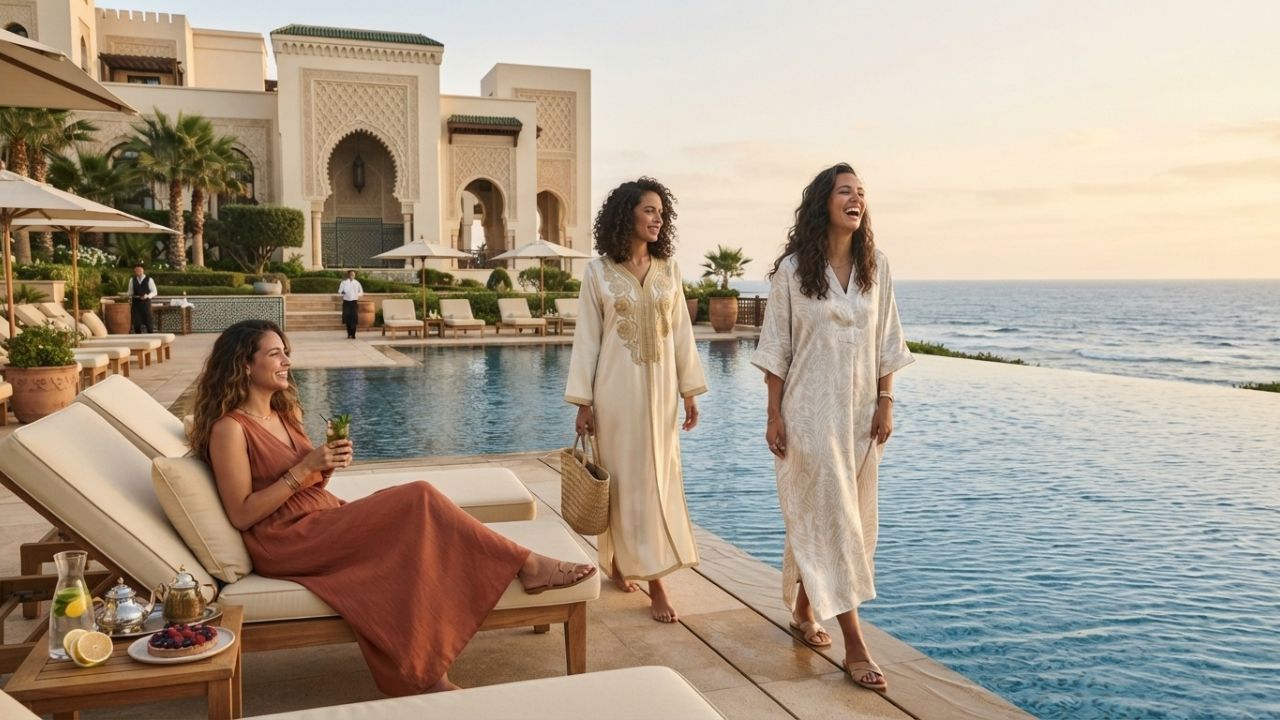
Image generated by AI
When the Four Seasons Hotel Rabat at Kasr Al Bahr unveiled its immersive summer hospitality programme, it marked a significant expansion in Morocco's luxury coastal travel sector. The 200-room restored historic palace, featuring Atlantic-facing pool decks, traditional hammams, and dedicated art spaces, represents a major shift toward slow-travel heritage tourism in the imperial city.
The Local Trend Revealed: Palace Restoration and Slow Travel on the Atlantic
Morocco's luxury tourism market is experiencing a notable shift as travelers prioritize longer, more immersive stays in restored historical landmarks over quick city visits. Instead of constructing new, modern resorts that disrupt coastal landscapes, developers are focusing on preserving historical architecture to create unique, culture-led guest experiences. The transformation of the 18th-century Kasr Al Bahr palace in Rabat into the Four Seasons Hotel Rabat is a key example of this trend, combining heritage preservation with modern luxury.
The Kasr Al Bahr estate includes two hundred guest rooms and suites, with views being offered across the landscaped gardens, the Atlantic Ocean, and the historic features of the property. The Turquoise Ocean View Suite features Moroccan-inspired architecture and a panoramic terrace designed for relaxation and entertaining. The Azur Ocean View Suite with Pool includes a private swimming pool and expansive indoor-outdoor living areas overlooking the Atlantic.
The seasonal summer programme is designed to encourage guests to slow down and experience the property's facilities without feeling rushed to leave. The Atlantic Ocean forms the centerpiece of the guest experience, with the infinity pool offering panoramic views of the water from loungers and private cabanas. Poolside dining is served by Flamme restaurant, featuring light Mediterranean dishes and cooling drinks. At the same time, Noora pastry salon serves a signature July dessert—the Cherry and Hibiscus Tart, crafted with fresh cherries, red berries, hibiscus, vanilla cream, almond sponge, and shortbread.
Seasonal Gastronomy and Moroccan Seafood Traditions
Morocco's rich culinary heritage is celebrated throughout the resort's summer dining venues, which blend international standards with regional ingredients. At Verdello, the menu highlights Mediterranean influences with fresh summer dishes like Polpo, Carpaccio Ananas, and Acquapazza. At Flamme d'Orient, the Fish Market experience allows guests to select fresh fish, oysters, and other seafood caught along the Atlantic coast, which is then prepared by the chefs according to the guest's preference.
The hotel's dining venues are designed to reflect the country's Atlantic coastline. Bar Atlantique serves signature cocktails against panoramic views of the ocean, with the changing sunset as a natural backdrop. These culinary experiences are integrated into the hotel's broader Summer Hospitality programme, offering different settings for casual meals, sunset drinks, and private occasions. By bringing local character alongside international hospitality standards, the property strengthens its position within Morocco Luxury Tourism.
For the visitor, the real impact is the direct connection between premium hospitality and the local community. By sourcing seafood directly from regional fishers in Rabat and neighboring coastal ports, the hotel's culinary programme directly supports the local maritime economy. Romantic candlelit dinners are also arranged beside the infinity pool, offering open-air seating under the stars.
Moroccan Wellness Traditions and Contemporary Art
Wellness is positioned as a key element of the luxury travel experience, with the spa offering treatments inspired by Moroccan traditions. The facility includes a traditional Moroccan hammam, an indoor swimming pool, ten treatment rooms, a Hydrotherapy Vichy Room, and specialized Omorovicza therapies. Grooming and beauty services are delivered at the Infinite beauty salon, creating a comprehensive wellness space designed to help guests relax and restore personal balance.
Sustainable eco-tourism initiatives also extend to community education and cultural awareness programs. The hotel works in close partnership with regional environmental bodies to minimize water usage and support local recycling infrastructure. By coordinating with local schools and conservation groups, the resort aims to promote a deeper understanding of the country's marine ecosystems, protecting the coastal environment for future generations of visitors.
Cultural engagement is encouraged at Warsha, a dedicated creative venue housed within one of the hotel's historic buildings. The space celebrates contemporary Moroccan art and regional heritage, currently exhibiting works by Moroccan artists Mehdi Qotbi and Mahi Binebine. This integration of art, history, cuisine, and wellness within a single palace setting allows visitors to connect deeply with Morocco's cultural heritage during their stay.
Rabat Visitor Guide: Cultural Etiquette and Local Treasures
For travelers planning a visit to Rabat or exploring Morocco's Atlantic coast, the Moroccan National Tourist Office (ONMT) suggests the following tips:
- Optimal Booking Windows: To enjoy the Atlantic breeze and avoid the intense mid-summer heat of the interior, book your coastal stay during the summer months between June and September.
- Cultural Etiquette: When visiting historic sites, religious monuments, or walking through the medina, dress modestly by covering shoulders and knees. Always ask for permission before photographing local artisans or market stalls.
- Sample Regional Cuisine: Beyond the resort's dining venues, explore local Rabat eateries to sample traditional Moroccan mint tea, tagines cooked in clay vessels, or sweet almond pastries like horn of gazelle.
- Explore Historical Monuments: Visit Rabat's UNESCO World Heritage sites, including the Kasbah of the Udayas, the Hassan Tower, and the ancient ruins of Chellah, to learn about the city's imperial history.
- Support Local Artisans: Purchase hand-woven rugs, leather goods, and traditional ceramics directly from local craft workshops inside the Rabat medina, ensuring that your spending supports traditional craft families.
- Rabat Cultural Heritage: Rabat, the capital city of Morocco, is situated on the Atlantic coast at the mouth of the Bou Regreg river. Known as the 'City of Gardens' or the 'Washington of North Africa' due to its wide boulevards and extensive green spaces, it is a historic destination that blends Almohad, Andalusian, and French protectorate influences. Travelers can explore the iconic Chellah necropolis, stroll through the blue-and-white walled streets of the Kasbah of the Udayas, or admire the Hassan Tower, an incomplete minaret dating from the late twelfth century, which stands alongside the modern Mausoleum of Mohammed V.
- Kasr Al Bahr Palace History: Kasr Al Bahr itself has a rich history dating back to the late eighteenth century, when it served as a royal summer palace for Moroccan sultans. Later converted into a military hospital during the French protectorate, the fortress-like structure has been meticulously restored to preserve its traditional zellij tilework, intricate plaster carvings, and spacious courtyard gardens. Staying at the palace provides travelers with a rare opportunity to live within a protected cultural monument that has witnessed centuries of Moroccan history.
- Under-the-Radar Quiet Zones: Seek out the quiet seating areas in the historic gardens of Kasr Al Bahr, which offer a peaceful environment away from the central pool areas.
- Off-Peak Transit Times: To avoid commuter traffic on the highways connecting Rabat to Casablanca, plan your transfers during mid-day hours.
Long-Term Outlook for Morocco's Luxury Tourism Sector
The opening and seasonal programming at the Four Seasons Hotel Rabat at Kasr Al Bahr demonstrates the resilience of Morocco's high-end tourism network. By combining heritage preservation with sustainable community support and contemporary culture, the resort establishes a template for future luxury developments in North Africa.
Over the coming decade, continued investments in heritage-led hospitality, eco-friendly infrastructure, and regional airport connectivity will shape the Moroccan travel market. As the country prepares to co-host the 2030 FIFA World Cup, the government is investing in expanding hotel capacity and upgrading transit networks. By maintaining high conservation standards and promoting authentic cultural connections, Morocco's hospitality sector aims to build a sustainable tourism model that protects its cultural heritage and natural landscapes for the future.
Disclaimer
This article is for informational and educational purposes only. It does not constitute legal, financial, or professional advice. While we strive to provide accurate and up-to-date information, travel policies, regulations, and conditions change rapidly. Always verify information with official sources before making travel decisions. Nomad Lawyer makes no representations about the accuracy, reliability, completeness, or suitability of the information provided. Readers should consult qualified professionals for advice specific to their circumstances. The views expressed in this article are those of the author and do not necessarily reflect the views of Nomad Lawyer.