
Fort Lauderdale Flight Chaos Exposes Spring Network Vulnerabilities
A Fort Lauderdale flight disruption in early April 2026 cascaded across the U.S. airline network, affecting hundreds of passengers and revealing systemic weaknesses during peak spring travel demand.

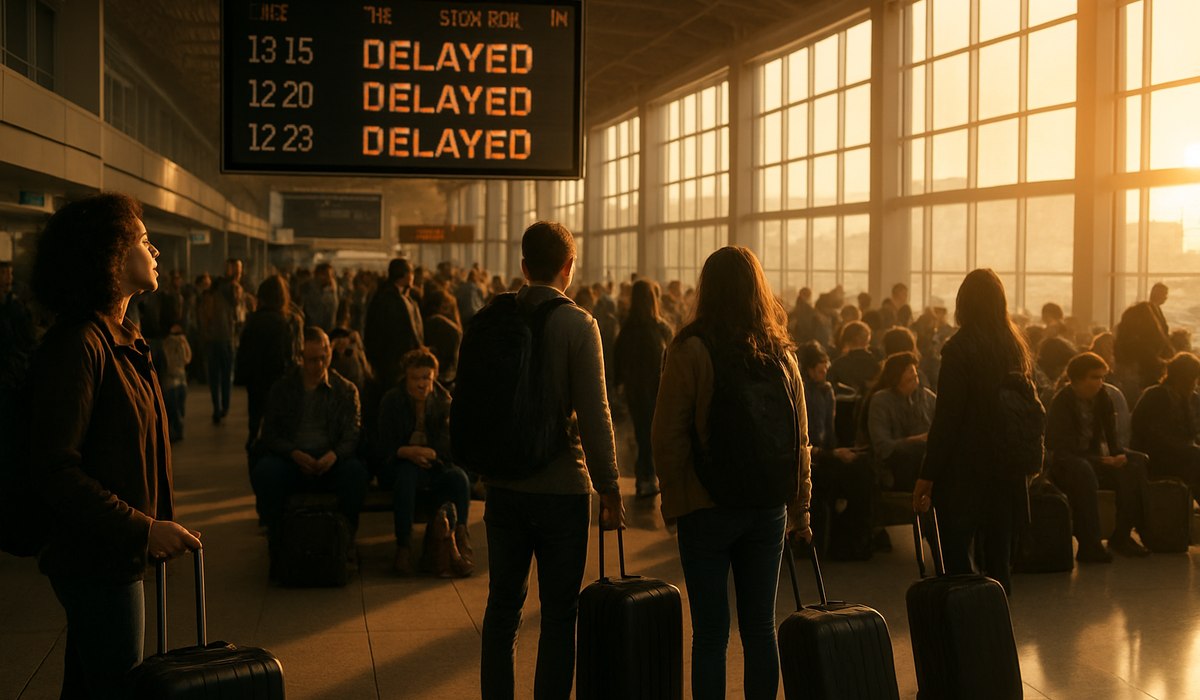
Image generated by AI
When Weather Meets Peak Demand: The Fort Lauderdale Flight Collapse
Fort Lauderdale-Hollywood International Airport experienced a severe operational meltdown on April 8, 2026, when early-season thunderstorms collided with compressed spring break schedules. Close to 200 delayed flights and multiple cancellations rippled through one of America's busiest leisure gateways, immediately affecting major carriers and stranding hundreds of passengers. The disruption wasn't contained to South Florida—cascading effects reached Atlanta, Chicago, Charlotte, and Los Angeles as aircraft fell out of position and crews exceeded duty limits. This Fort Lauderdale flight chaos exposed a fundamental truth: U.S. airlines operate with razor-thin margins during peak seasons, leaving little room for recovery when weather and demand converge.
How One Day of Delays Rippled Across the Nation
The April 8 weather event at Fort Lauderdale demonstrates how interconnected modern airline networks have become. When ground stops halted operations for several hours, inbound aircraft destined for northern and Midwestern connections arrived hours late or were diverted. Airlines faced an impossible choice: cancel downline flights, substitute smaller aircraft, or delay passengers indefinitely. The knock-on effects didn't stop at major hubs. Travelers in Baltimore, Pittsburgh, and Cleveland experienced delays caused entirely by disruptions hundreds of miles away. This ripple effect shows why monitoring FlightAware becomes essential during peak travel periods—a Fort Lauderdale flight delay often means missed connections nationwide.
Spring Break Compression: Why Weather Hits Harder During Peak Season
Unlike off-season weather disruptions, April challenges arrive when airlines have already scheduled maximum capacity. During Presidents Day (February 2026) and spring break, carriers pack departures into tight morning and afternoon peaks to maximize revenue. Turn times—the window between a landing and next departure—shrink to 30 minutes or less. Aircraft utilization rates hit 11-12 flight cycles daily. When thunderstorms force a two-hour ground stop, there's no built-in slack to absorb the delay. One aircraft missing a departure window cascades through eight subsequent flights. Fort Lauderdale flight operations collapse under this compression because the airport handles 30% of U.S. Caribbean traffic while serving as a major connection point for domestic leisure routes.
Spirit Airlines and Structural Vulnerability at Fort Lauderdale
Spirit Airlines operates roughly 100 peak daily departures from Fort Lauderdale, making it the airport's largest ultra-low-cost carrier. However, Spirit's ongoing Chapter 11 restructuring reduced domestic capacity by approximately one-third in Q1 2026. The carrier exited Milwaukee and Chattanooga service while scheduling route endings to Grand Cayman, Managua, and San Salvador. This concentrated Florida strategy creates heightened exposure: a single weather event or staffing shortage directly impacts a much larger percentage of the carrier's daily operation. February's Presidents Day period generated nearly 90 Spirit cancellations at Fort Lauderdale alone, driven by crew shortages and aircraft availability. When a Fort Lauderdale flight operator restructures around a single hub while reducing overall capacity, operational resilience decreases significantly.
Systemic Vulnerabilities: From Presidents Day to April Chaos
Academic research on delay propagation within the U.S. flight network consistently identifies three structural weaknesses. Hub concentration means major leisure gateways like Fort Lauderdale act as amplifiers during disruptions. Minimal turnaround buffers leave no recovery time between flights. High aircraft utilization maximizes revenue but eliminates redundancy. Fort Lauderdale embodies all three characteristics during spring. The February Presidents Day disruptions and April weather events weren't anomalies—they were predictable outcomes of an aviation system operating at maximum density. The FAA recognizes these vulnerabilities and continues working with carriers to build resilience, yet passenger-facing improvements remain limited. Expect similar Fort Lauderdale flight disruptions each spring and Presidents Day through 2027 unless airlines restructure scheduling practices.
What Travelers Should Expect as Spring Peak Continues
Fort Lauderdale airport processes roughly 2,000 daily operations during spring break. April and May present the highest risk periods for weather-related disruptions. Airlines have reduced schedule buffers to compete on fares, meaning any delay over 60 minutes cascades into subsequent flights. Travelers booked on Fort Lauderdale flight routes should expect potential delays even during clear-weather days, as the airport manages overflow from previous disruptions. The U.S. Department of Transportation maintains passenger rights regulations that guarantee rebooking on competing carriers or full refunds for cancellations exceeding three hours. However, recovery requires proactive passenger action—airlines won't automatically offer the highest-value option. Check real-time flight status on FlightAware rather than airline apps, which often lag by 15-20 minutes on disruption days.
Key Data: Fort Lauderdale Flight Disruption Snapshot
| Metric | April 8, 2026 |
|---|---|
| Delayed Flights | ~200 |
| Cancellations | Handful (exact count not disclosed) |
| Ground Stop Duration | 2+ hours |
| Affected Carriers | Ultra-low-cost + major network airlines |
| Secondary Delays | Atlanta, Chicago, Charlotte, Los Angeles |
| Spirit Cancellations (Presidents Day) | ~90 |
| Spirit Peak Daily Departures | ~100 |
| Spirit Capacity Reduction (Q1 2026) | ~33% year-over-year |
| Fort Lauderdale Daily Operations | ~2,000 |
| Primary Cause | Early-season thunderstorms + spring break congestion |
Traveler Action Checklist
-
Download FlightAware app and enable push notifications for your Fort Lauderdale flight at least three days before departure.
-
Book flights before 11 a.m. or after 4 p.m. departures to avoid peak compression windows when 60+ aircraft queue simultaneously.
-
Purchase trip insurance covering weather delays and airline disruptions if your Fort Lauderdale flight is scheduled April–May 2026.
-
Arrive four hours early for international connections departing Fort Lauderdale, not the standard three, during spring break weeks.
-
Screenshot your airline confirmation and photograph your boarding pass before arriving at the airport—manual rebooking is faster if systems fail.
-
Know your passenger rights via the U.S. DOT Air Consumer Protection Division, which guarantees meals, hotel, and rebooking for delays exceeding three hours on domestic routes.
-
Consider alternative airports: Miami International Airport (35 minutes south) or Orlando (2.5 hours north) may offer better schedule availability during peak weeks.
-
Contact your airline immediately if cancellation occurs—seat inventory on alternative flights depletes within 90 minutes on busy routes.
FAQ
Q: What does a Fort Lauderdale flight delay mean for my connection in Chicago? A: An April delay at Fort Lauderdale cascades through the network because inbound aircraft arrive late, pushing subsequent departures. Your Chicago flight may be delayed 2-4 hours or cancelled if the airline determines recovery is impossible. Monitor FlightAware hourly and contact your airline directly once any delay exceeds 90 minutes.
Q: Are ultra-low-cost carriers more reliable than legacy airlines from Fort Lauderdale? A: No. Spirit Airlines' ongoing restructuring and capacity reductions actually increase cancellation risk compared to American, Delta, or United, which maintain larger fleet reserves. Ultra-low-cost carriers lack redundancy, making them more vulnerable to weather disruptions. Legacy carriers at Fort Lauderdale
Disclaimer
This article is for informational and educational purposes only. It does not constitute legal, financial, or professional advice. While we strive to provide accurate and up-to-date information, travel policies, regulations, and conditions change rapidly. Always verify information with official sources before making travel decisions. Nomad Lawyer makes no representations about the accuracy, reliability, completeness, or suitability of the information provided. Readers should consult qualified professionals for advice specific to their circumstances. The views expressed in this article are those of the author and do not necessarily reflect the views of Nomad Lawyer.
Raushan Kumar
Founder & Lead Developer
Full-stack developer with 11+ years of experience and a passionate traveller. Raushan built Nomad Lawyer from the ground up with a vision to create the best travel and law experience on the web.
Learn more about our team →