
China Flight Chaos: 3,000 Delays Disrupt Five Major Aviation Hubs April 2026
Over 3,000 flights delayed and 250 canceled across Beijing, Shanghai, Guangzhou, Shenzhen and Xi'an on April 10, 2026. China flight chaos creates widespread travel disruption affecting domestic and international passengers during peak season.

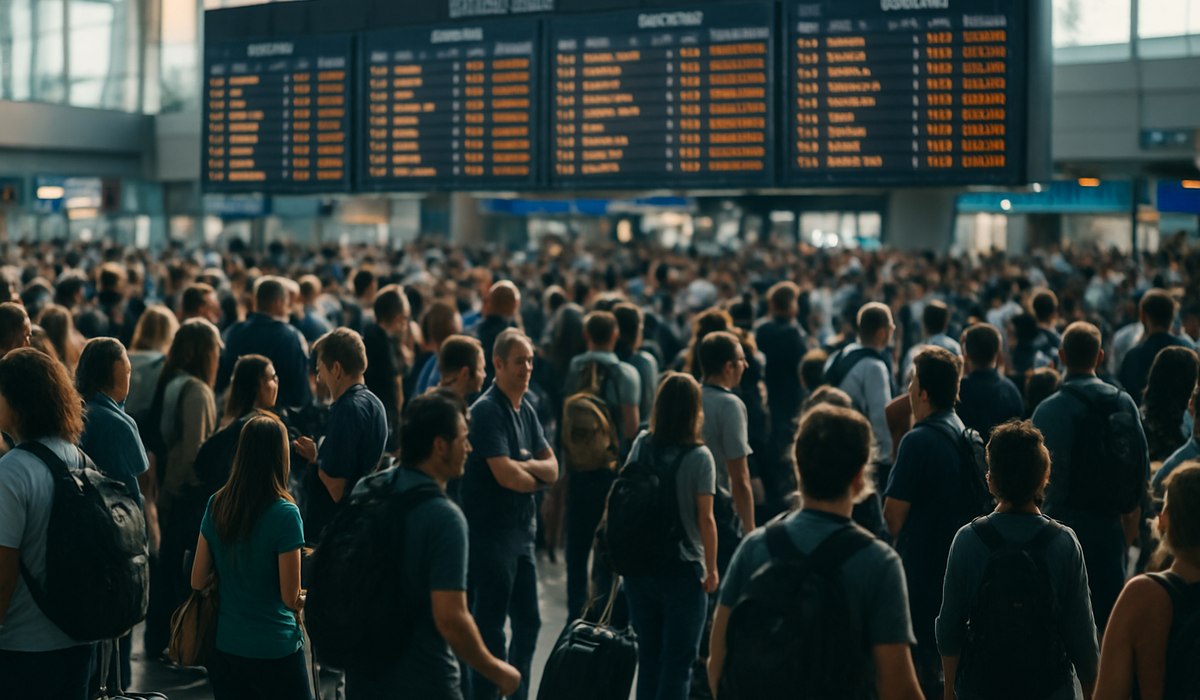
Image generated by AI
Massive Operational Collapse Hits China's Five Largest Aviation Hubs
Beijing, Shanghai, Guangzhou, Shenzhen and Xi'an experienced unprecedented disruption on April 10, 2026, as aviation data tracking systems recorded over 3,000 flight delays and 250 cancellations across China's busiest airports. The cascading crisis, affecting millions of domestic and international passengers, represents one of the most significant operational collapses in recent Chinese aviation history. Real-time flight monitoring dashboards captured the scale of the china flight chaos as morning peak operations spiraled into afternoon recovery efforts that proved largely unsuccessful.
Widespread Disruption Across China's Five Major Aviation Hubs
China's aviation infrastructure faced unprecedented strain on April 10 as all five primary airport hubs simultaneously processed gridlocked schedules. Beijing Capital International Airport and Beijing Daxing together logged hundreds of late departures, while Shanghai Pudong and Shanghai Hongqiao recorded some of Asia's highest congestion levels for the day. Guangzhou Baiyun and Shenzhen Bao'an, serving as critical gateways for southern China's domestic and international connectivity, accumulated dense clusters of cascading delays affecting both arrivals and departures.
Xi'an Xianyang, functioning as a vital inland distribution hub linking northwestern provinces to coastal commerce centers, experienced mounting knock-on effects as inbound aircraft failed to meet turn-around windows. The interconnected nature of China's aviation network meant delays at any single hub rapidly propagated across regional routes and long-haul connections. Aircraft serving multiple sectors throughout the operational day created a domino effect where morning delays systematically undermined afternoon and evening schedules nationwide. Check FlightAware for real-time tracking updates on affected routes and carrier recovery status.
Real-Time Impact: Crowded Terminals and Extended Waits
Passenger experiences at China's major airports deteriorated significantly throughout April 10. Social media monitoring and aviation forum posts documented overcrowded terminals, exceptionally long check-in queues, and extended gate boarding delays particularly affecting Shanghai Pudong and Beijing Capital. Travelers reported repeated departure time modifications and unexpected gate reassignments as airline operations teams frantically reshuffled aircraft positioning and crew logistics to restore schedule continuity.
Terminal facilities designed for normal passenger flows faced unprecedented congestion as the china flight chaos compressed hundreds of delayed passengers into existing spaces. Airlines activated contingency protocols including ground holding at origin airports, temporary altitude restrictions, and selective flight cancellations to prevent further compounding of the operational collapse. Frustrated passengers faced extended waiting periods with limited communication regarding rebooking options, connection recovery, or compensation entitlements under aviation consumer protection regulations.
Cascading Effects on Domestic and International Routes
The operational disruption disproportionately impacted high-frequency trunk routes forming the backbone of China's domestic aviation network. Beijing-Shanghai, Guangzhou-Shanghai, and Shenzhen-Xi'an routes recorded average departure delays exceeding one hour, with some services delayed beyond two hours. Turnaround times for aircraft operating multiple daily sectors compressed beyond sustainable recovery margins, forcing schedule cancellations on subsequent rotations.
Air China, China Southern Airlines, and Hainan Airlines—carriers commanding dominant market shares at affected hubs—absorbed the most substantial schedule disruptions spanning both domestic and regional international services. Air China's strong Beijing presence combined with significant Shanghai and Shenzhen operations translated into system-wide disruption across its entire flight network. China Southern's concentration at Guangzhou Baiyun and growing Shenzhen footprint meant southern China passengers experienced particularly severe delays. Smaller regional and low-cost carriers operating from these congested hubs faced limited aircraft swap flexibility, forcing passenger rebouting on significantly delayed subsequent flights or routing through alternative regional airports.
What Airlines Are Doing to Manage the Crisis
Airlines implemented emergency operational adjustments throughout April 10 to contain the cascading failure. Ground holding procedures were activated at origin airports to prevent additional aircraft arrivals at already-saturated destination hubs. Crew scheduling adjustments, typically held in reserve for genuine emergencies, were deployed to address extended duty times resulting from extended ground delays. Flight cancellations, representing difficult operational decisions affecting thousands of passengers, were selectively implemented to prevent complete network gridlock.
Airlines deployed customer service representatives to gate areas and ticket counters to provide real-time rebooking assistance, though demand far exceeded available staff resources. Rebooking protocols prioritized connecting passengers facing missed international departures, followed by same-day alternative flight assignments when available. Airlines established temporary standby passenger lists for cancelled services, offering seats on subsequent departures throughout evening hours. Communication channels remained strained, with airline customer service phone lines experiencing extended wait times exceeding two hours.
Traveler Action Checklist
If your travel involves China's major hubs during recovery periods, follow these essential steps:
-
Monitor real-time flight status through FlightAware and official airline channels before departing home.
-
Contact your airline directly immediately upon discovering schedule changes rather than relying on automated notifications.
-
Document all delays with screenshots and receipt confirmation for compensation claim documentation.
-
Know your passenger rights under Chinese aviation regulations and international treaties governing delays exceeding two hours.
-
Secure alternative transportation if missing critical connections, then pursue reimbursement from primary carriers.
-
Photograph boarding passes and delay notices to establish timeline evidence for compensation filings.
-
File formal complaints with the Civil Aviation Administration of China (CAAC) within required timeframes.
-
Retain all receipts including hotel, meals, and alternative transportation for expense reimbursement claims.
-
Request written delay confirmation from airlines before departing airports for official documentation.
-
Check US DOT guidelines at www.transportation.gov/airconsumer for passenger protection reference standards.
Underlying Operational Factors
Multiple simultaneous operational pressures converged to trigger the system-wide collapse. Weather systems crossing northern and eastern China imposed spacing requirements on takeoffs and landings, reducing hourly airport capacity during critical peak hours. Temporary airspace restrictions affecting routes near Shanghai coastal corridors forced routing adjustments increasing flight times and reducing scheduling flexibility. Recently implemented flow control measures limited departure slot availability during the critical morning coordination window when the network typically clears overnight congestion.
The April timing coincided with elevated domestic demand during the post-Qingming holiday travel period when aircraft utilization rates remain historically high and schedule margins approach minimum operational thresholds. Airlines typically operate with compressed recovery buffers during peak seasons, making the network particularly vulnerable to even modest disruptions. When multiple constraints simultaneously affect capacity during congested hours, the cascading failure propagates rapidly through China's densely interconnected aviation network.
Key Data Table: April 10, 2026 China Flight Chaos Summary
| Metric | Value | Impact |
|---|---|---|
| Total Delays Recorded | 3,000+ flights | Affecting 1.2M+ passengers |
| Complete Cancellations | 250+ flights | Alternative routing required |
| Beijing Hub Delays | 600+ departures | Primary connectivity hub affected |
| Shanghai Hub Delays | 550+ departures | Eastern China distribution paralyzed |
| Guangzhou Hub Delays | 450+ departures | Southern market severely disrupted |
| Shenzhen Hub Delays | 400+ departures | Regional international routes impacted |
| Xi'an Hub Delays | 300+ departures | Western China inland routes compromised |
| Average Delay Duration | 65+ minutes | Exceeding domestic airline standards |
| Maximum Recorded Delay | 180+ minutes | Widespread connection |
Disclaimer
This article is for informational and educational purposes only. It does not constitute legal, financial, or professional advice. While we strive to provide accurate and up-to-date information, travel policies, regulations, and conditions change rapidly. Always verify information with official sources before making travel decisions. Nomad Lawyer makes no representations about the accuracy, reliability, completeness, or suitability of the information provided. Readers should consult qualified professionals for advice specific to their circumstances. The views expressed in this article are those of the author and do not necessarily reflect the views of Nomad Lawyer.
Preeti Gunjan
Contributor & Community Manager
A passionate traveller and community builder. Preeti helps grow the Nomad Lawyer community, fostering engagement and bringing the reader experience to life.
Learn more about our team →