
Conservation Policy: Fifteen Restricted Sites Sealed to Tourists
A collection of fifteen global sites, from Svalbard to the Lascaux Caves, remain permanently sealed to protect ecosystems and historical artifacts.

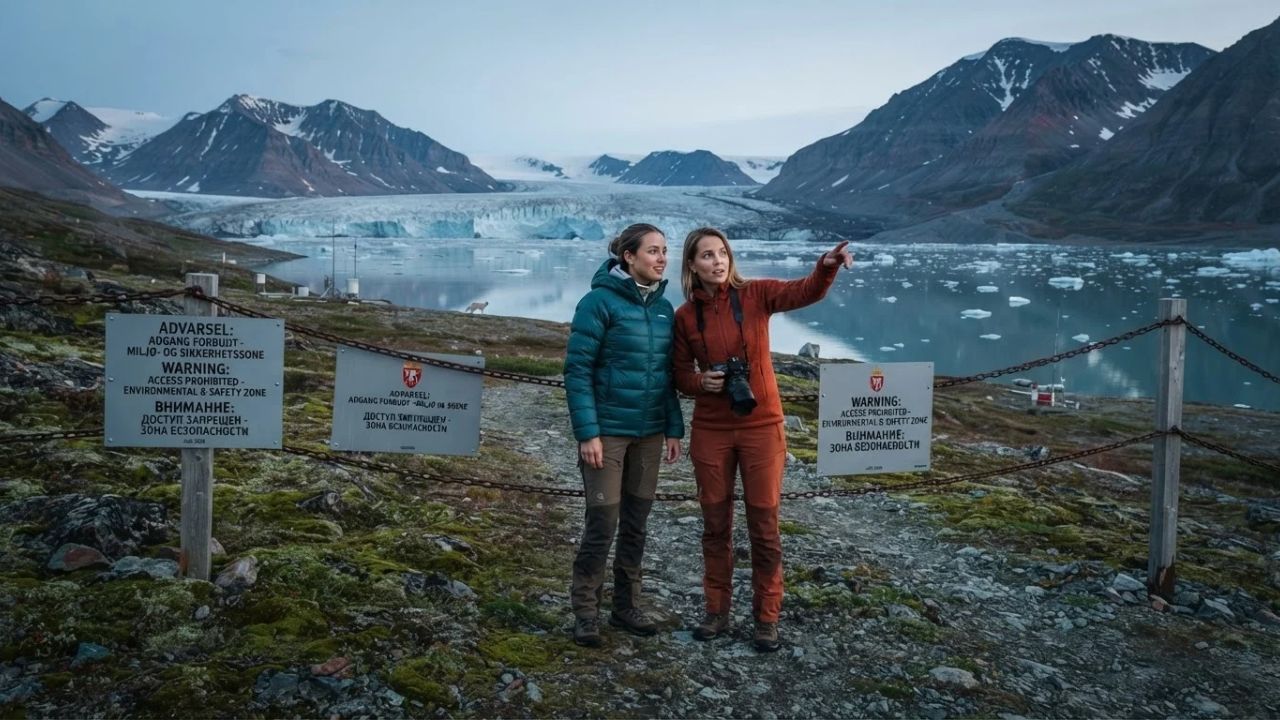
Image generated by AI
A collection of fifteen global sites, from Svalbard to the Lascaux Caves, remain permanently sealed to protect ecosystems and historical artifacts. Government conservation bodies enforce these boundaries to prevent environmental degradation and security risks.
The Evolution of Exclusion-Based Conservation
A major trend in global resource management is the implementation of total exclusion zones to preserve fragile historical, ecological, and cultural assets. Historically, destination managers attempted to balance tourism access with conservation, installing pathways or monitoring air quality to accommodate crowds. In 2026, environmental scientists and national security agencies prioritize absolute protection, closing vulnerable zones entirely to civilian traffic.
By restricting access to authorized researchers or vetting academic scholars, authorities prevent human-induced damage, such as fungal growth on cave paintings or the introduction of invasive species to volcanic islands. This exclusion model ensures that irreplaceable resources remain preserved for scientific study.
Fifteen Globally Restricted Locations
The following fifteen sites are off-limits to travelers due to safety, sanctity, or security concerns:
- North Sentinel Island (India): Banned within 5 nautical miles by the Indian government to protect the isolated Sentinelese tribe from disease and conflict.
- Svalbard Global Seed Vault (Norway): Dug 300 feet inside a permafrost mountain on Spitsbergen, housing duplicate seeds; closed to the public for biosecurity.
- Lascaux Caves (France): Sealed in 1963 to protect 17,000-year-old Paleolithic art from human-induced black fungus. Visitors can tour the neighboring replica, Lascaux IV.
- Ilha da Queimada Grande (Brazil): Known as Snake Island, located 20 miles off São Paulo; populated by critically endangered Golden Lancehead vipers. The Brazilian Navy bans civilian landing.
- Surtsey Island (Iceland): Volcanic island formed 1963 to 1967 off Iceland; restricted exclusively to scientists studying primary biological succession.
- Vatican Apostolic Archives (Vatican City): Climate-controlled papal records closed to tourists and open only to vetted academic researchers.
- Area 51 (Groom Lake, USA): Classified US Air Force aerospace testing facility in Nevada; guarded by sensors and lethal force warnings.
- Ise Grand Shrine (Japan): Kotai Jingu (Inner Shrine) dedicated to sun goddess Amaterasu, rebuilt every 20 years; access beyond wooden fences restricted to priests and the Imperial Family.
- Mezhgorye (Russia): Closed nuclear-missile military city near Mount Yamantau, patrolled by armed guards.
- Poveglia Island (Italy): Venetian plague quarantine site and former asylum; closed due to structural safety hazards and decaying buildings.
- Pravčická Brána (Bohemian Switzerland, Czechia): Sandstone arch; walking across was banned in 1982 to prevent structural collapse.
- North Brother Island (New York, USA): East River parcel housing a former quarantine hospital (where "Typhoid Mary" died); closed as a heron sanctuary.
- Heard Island (Australia): Barren volcanic island (active volcano Big Ben) between Madagascar and Antarctica; entry requires permits from the Australian Antarctic Division.
- Bohemian Grove (California, USA): A 2,700-acre private Sonoma County retreat for members of the Bohemian Club.
- Room 39 (North Korea): Administrative financial office in Pyongyang, established in the late 1970s; restricted to high-ranking state officials.
These boundaries are managed by regional authorities to maintain ecological balance and security.
Restricted Travel Destinations Coordinates
The table below organizes the fifteen forbidden locations, country/region locations, primary reasons for restriction, access classifications, and primary coordinating bodies:
| Target Location | Country / Region | Primary Restriction Reason | Access Classification | Primary Coordinating Body |
|---|---|---|---|---|
| North Sentinel | Andaman Islands, India | Indigenous tribes & biosecurity | Strictly Banned (5-mile limit) | Indian Ministry of Home Affairs |
| Svalbard Seed Vault | Spitsbergen, Norway | Global food backup security | Closed Subterranean Vault | Norwegian Polar Institute |
| Lascaux Caves | Dordogne, France | Paleolithic wall art conservation | Sealed Caverns (since 1963) | French Ministry of Culture |
| Snake Island | São Paulo, Brazil | Golden Lancehead viper hazard | Navy Authorization Only | Brazilian Naval Command |
| Surtsey Island | Vestmannaeyjar, Iceland | Primary biological succession | Restricted (Scientists Only) | Icelandic Natural History Inst |
| Vatican Archives | Vatican City State | Papal records & historical safety | Vetted Academic Scholars | Holy See Archival Board |
| Area 51 | Nevada, United States | Top-secret military aviation | Strictly Banned (Lethal force) | United States Air Force |
| Ise Grand Shrine | Mie Prefecture, Japan | Sacred Shinto sun goddess shrine | Imperial Family & High Priests | Shinto Shrine Association |
| Mezhgorye | Bashkortostan, Russia | Underground defense command | Closed Military City | Russian Defense Ministry |
| Poveglia Island | Venetian Lagoon, Italy | Structural hazards & plague history | Closed Venetian Lagoon Island | Venetian Municipal Council |
| Pravčická Brána | Bohemian Switzerland, CZ | Sandstone arch collapse prevention | Trail viewable only (since 1982) | Czech National Parks Office |
| North Brother | New York, United States | Heron sanctuary & decay risk | NYC Parks Permit Only | NYC Parks & Recreation Dept |
| Heard Island | Indian Ocean, Australia | Active volcano & biosecurity | Scientific Permit Only | Australian Antarctic Division |
| Bohemian Grove | California, United States | Exclusive private membership | Private Members Only | Bohemian Club Committee |
| Room 39 | Pyongyang, North Korea | Financial state operations | Strictly Forbidden | North Korean State Council |
These coordinates outline the locations, regions, reasons, statuses, and agencies established for global protection.
Resource Stewardship and Community Conservation
For the traveler, the benefit of choosing accessible replicas (such as Lascaux IV in France) is the opportunity to appreciate ancient art without exposing original murals to heat, moisture, and carbon dioxide. Respecting the boundaries of national reserves, such as viewing Bohemian Switzerland's sandstone arch from designated lookouts, prevents soil and rock erosion.
Additionally, supporting local tourism boards in gateway towns (like Coudersport or Longyearbyen) keeps travel revenue within communities adjacent to these restricted zones. Respecting coastal signs at North Sentinel Island helps protect indigenous survival.
For comparison, you can explore the changing dynamics of Stimulus Launch: Taiwan Unveils Billion-Dollar Repeat Visitor Rewards to see how destinations promote visitor spend. For transit updates, comparing travel scheduling matches other networks, such as Cultural Rhythms: Five Mexican Cities Reveal Changing Identities updates. This trend is similar to the tourism growth seen in other destinations, as detailed in our guide on how Utica, New York Emerges as an Affordable Northeast Tourism Hub.
Visitor Insider Tips: Observing From the Boundary
If you are planning to travel near these restricted destinations, keep these practical tips in mind:
- Tour Lascaux IV for Ancient Art: Visit the complete, exact-scale replica in Montignac to view the Paleolithic drawings without damaging the original site.
- Photograph Svalbard Seed Vault's Exterior: Take photos of the vault's illuminated entrance from the public road in Longyearbyen; entry is strictly prohibited.
- Follow Sandbox Rules in Bohemian Switzerland: View the Pravčická Brána sandstone arch from the nearby trails; do not attempt to climb or walk across the span.
- Submit Vatican Applications Early: Vetted scholars should submit their formal credentials, letters of reference, and project proposals months in ahead to access the reading rooms.
- Respect Navy Markers Near Snake Island: Do not hire local boat captains to take you near Queimada Grande; the Brazilian Navy patrols the waters to protect tourists.
Long-Term Outlook for Controlled Conservation
The long-term outlook for transit near restricted zones is focused on introducing virtual reality (VR) tours of fragile caves, expanding satellite monitoring grids, and implementing strict coastal exclusion zones. As interest in environmental preservation grows, conservation boards will rely on technology to share these wonders without risk.
By enforcing strict access rules and supporting gateway museums, the global travel sector aims to protect these sensitive preserves.
FAQ
Why are the Lascaux Caves closed to the public?
The caves were permanently closed in 1963 to stop the growth of destructive black fungus and lichen triggered by heat and carbon dioxide introduced by visitors.
Can travelers visit North Sentinel Island?
No. The Indian government enforces a strict five-nautical-mile maritime exclusion zone around the island to protect the Sentinelese tribe from disease and conflict.
What is stored inside the Svalbard Global Seed Vault?
The vault stores backup duplicates of agricultural seed samples from global genebanks to protect crop diversity from natural or human disasters.
Is walking across the Pravčická Brána arch permitted?
No. Walking across Europe's largest natural sandstone arch was banned in 1982 to protect the structure from human-induced erosion and collapse.
Stay updated on the regional travel regulations and environmental policies shaping global conservation.
Related Travel Guides
Disclaimer
This article is for informational and educational purposes only. It does not constitute legal, financial, or professional advice. While we strive to provide accurate and up-to-date information, travel policies, regulations, and conditions change rapidly. Always verify information with official sources before making travel decisions. Nomad Lawyer makes no representations about the accuracy, reliability, completeness, or suitability of the information provided. Readers should consult qualified professionals for advice specific to their circumstances. The views expressed in this article are those of the author and do not necessarily reflect the views of Nomad Lawyer.
Raushan Kumar
Founder & Lead Developer
Full-stack developer with 11+ years of experience and a passionate traveller. Raushan built Nomad Lawyer from the ground up with a vision to create the best travel and law experience on the web.
Learn more about our team →