
Boeing 777 Operating Costs Rival Aircraft Purchase Price in 2026
Boeing 777 operating costs reach astronomical levels in 2026, with annual expenses matching the purchase price of a used aircraft. Airlines face hidden operational challenges that reshape fleet economics.

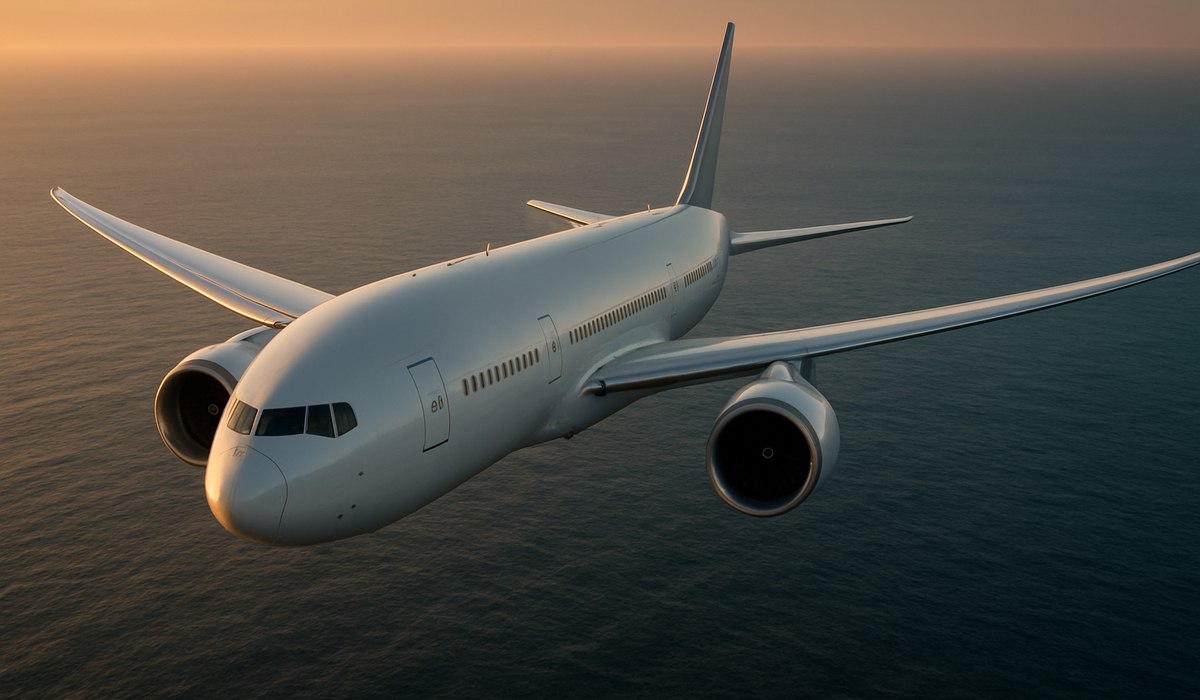
Image generated by AI
The Staggering Reality of Boeing 777 Operating Costs
Boeing 777 operating costs represent one of aviation's most sobering financial realities. The expense of maintaining and flying a single widebody aircraft rivals or exceeds the purchase price of a used midlife 777—a financial burden that fundamentally shapes global airline operations. While acquiring a Boeing 777 carries substantial capital expenditure, the true economic challenge emerges once the aircraft enters service. Airlines operating 777 fleets across major international routes face annual operating costs that demand sophisticated financial planning and operational efficiency strategies.
The 777's size, complexity, and fuel consumption create a unique cost profile within commercial aviation. Understanding these expenses helps travelers appreciate the pricing behind premium cabin tickets and why airlines compete fiercely on cost management.
Annual Operating Costs Breakdown for Boeing 777 Aircraft
Boeing 777 operating costs encompass multiple expense categories that collectively exceed $10 million annually for most operators. Fuel represents the largest single expense, often consuming 25-35% of total operating budgets depending on flight lengths and fuel prices. A typical long-haul Boeing 777 burns approximately 20,000 pounds of fuel per hour, translating to significant cost exposure across global route networks.
Maintenance expenses form the second major cost pillar, with scheduled and unscheduled maintenance consuming 15-25% of annual aircraft expenses. Engine maintenance alone—critical for the General Electric or Rolls-Royce powerplants that propel 777s—involves complex overhaul schedules and component replacement protocols. Landing fees, handling charges, and airport congestion fees add another layer to operating cost structures, particularly for carriers serving congested hubs like London Gatwick, Hong Kong, or Tokyo Narita. Personnel costs, including flight crews, mechanics, and ground staff dedicated to 777 operations, represent 10-15% of total expenses. According to the FAA, these interconnected cost categories create operational complexity that distinguishes widebody aircraft management from narrow-body operations.
Fuel and Maintenance Expenses: The Primary Cost Drivers
Fuel efficiency dominates Boeing 777 operating cost discussions across the aviation industry. Modern variants like the 777-300ER deliver 20% better fuel economy than earlier models, yet fuel expenditure remains substantial. Airlines purchasing fuel hedging contracts manage volatility, but baseline consumption patterns remain fixed by aircraft physics and aerodynamic design.
Maintenance expenses demand particular attention from fleet managers. The 777's twin-engine configuration means each engine requires individual monitoring, with major overhauls occurring every 6,000-10,000 flight hours. Predictive maintenance systems, including real-time health monitoring from embedded sensors, help optimize inspection intervals and reduce unexpected failures. Component availability, technician training requirements, and spare parts inventory management all escalate maintenance costs beyond simple labor calculations. Airlines operating 777s at remote destinations face additional logistical expenses when aircraft require maintenance at distant locations. According to aviation maintenance specialists, these hidden coordination costs sometimes exceed scheduled maintenance expenses themselves.
Crew and Personnel Requirements Impact on Operating Costs
Operating a Boeing 777 demands specialized crew configurations and extensive training investments. Two pilots, three to four flight attendants, and ground support teams represent fixed labor costs that scale with flight frequency. Pilot training programs for 777 type-rating certification consume 3-4 months and cost $200,000-$400,000 per pilot, representing significant human capital investment.
Crew scheduling optimization significantly influences operating cost efficiency. Unlike smaller aircraft, 777s operate international routes spanning 14-17 hours, creating complex crew rest requirements and regulatory compliance obligations. Airlines juggle crew positioning costs, hotel accommodations, and duty time regulations across multiple jurisdictions. Ground crews require specialized training for ground handling, fueling, cleaning, and rapid turnaround procedures. Personnel retention becomes critical; experienced 777 mechanics and flight attendants command premium compensation packages, directly impacting budget forecasts.
Hidden Costs Impacting Bottom Line and Strategic Operations
Beyond obvious fuel and maintenance expenses, Boeing 777 operating costs include factors airlines rarely publicize. Depreciation schedules reduce aircraft value systematically, with 20-year depreciation cycles creating annual charges against operating budgets. Insurance premiums for multi-million-dollar aircraft, including hull coverage and third-party liability protection, consume 0.5-1% of aircraft value annually.
Route network planning incurs costs optimizing 777 deployment across profitable flight segments. Airlines cannot operate 777s on every route—the aircraft's capacity and range create fixed-cost floors that require sufficient passenger demand and cargo revenue to justify operation. Regulatory compliance expenses include ongoing certifications, environmental monitoring, and safety audits mandated by national aviation authorities. Technology upgrades—avionics improvements, cabin entertainment systems, and operational software—represent additional capital outlays outside traditional operating cost categories.
Weather-related delays, mechanical groundings, and schedule disruptions create secondary cost cascades. A single engine failure sidelining a 777 for three weeks costs airlines approximately $300,000-$500,000 in lost revenue and repositioning expenses. These contingency costs force airlines to maintain reserve capacity and insurance products that inflate total operating cost profiles beyond published figures.
Impact Across Major Global Airlines and Routes
International carriers operating significant 777 fleets face compounding cost pressures in 2026. Cathay Pacific, United Airlines, Emirates, and Japan Airlines collectively operate hundreds of 777 variants, each facing identical cost physics. Network carriers competing on premium transatlantic routes (New York-London, Los Angeles-London) absorb enormous 777 operating costs through premium cabin pricing, cargo revenue, and operational efficiency gains.
Asian carriers operating 777s on ultra-long routes to Australia and the Pacific encounter additional challenges. Flight lengths exceeding 17 hours increase fuel consumption and crew fatigue management costs. Middle Eastern carriers have strategically deployed 777s on African and Indian Ocean routes where regional competition remains limited, allowing cost recovery through premium pricing strategies.
Live Flight Tracking and Operational Transparency
Travelers tracking Boeing 777 operations can access real-time flight data via FlightAware, which monitors 777 movements globally. This transparency reveals the constant operational tempo these aircraft maintain—most airlines operate 777s on 10-12 flight hours daily, generating revenue streams necessary to offset astronomical operating costs. Flight tracking data demonstrates how 777s concentrate on profitable transcontinental routes rather than regional markets where smaller aircraft provide better cost economics.
What This Means for Travelers
Understanding Boeing 777 operating costs clarifies why premium cabin pricing on international flights remains high and why airlines carefully allocate these aircraft to profitable routes.
Traveler Action Checklist:
-
Recognize that 777 operating costs directly influence ticket pricing—premium cabin fares reflect genuine aircraft expense burdens that airlines cannot arbitrarily reduce.
-
Monitor route capacity trends using flight tracking tools—when airlines deploy 777s on specific routes, premium fares typically reflect high demand and operational necessity.
-
Compare premium cabin pricing across carriers on identical routes—operating cost efficiencies among airline networks create genuine pricing differentials.
-
Book premium cabins on high-demand routes where 777 deployment is consistent—these routes generate sufficient revenue to justify premium service investments.
-
Verify seat configuration changes with your airline—as airlines optimize 777 cabins to improve revenue per seat, cabin layouts evolve to offset operating costs.
-
Examine airline financial disclosures regarding widebody aircraft utilization—publicly reported metrics reveal how seriously carriers manage 777 operating efficiency.
-
Plan international travel accounting for premium pricing necessities—understand that 777 operating costs create structural pricing floors that represent genuine economic constraints.
Key Boeing 777 Operating Cost Data
| Expense Category | Annual Cost Range | Percentage of Total |
|---|---|---|
| Fuel Consumption | $3.2M - $4.8M | 28-32% |
| Maintenance & Overhauls | $2.0M - $3.2M | 18-24% |
Disclaimer
This article is for informational and educational purposes only. It does not constitute legal, financial, or professional advice. While we strive to provide accurate and up-to-date information, travel policies, regulations, and conditions change rapidly. Always verify information with official sources before making travel decisions. Nomad Lawyer makes no representations about the accuracy, reliability, completeness, or suitability of the information provided. Readers should consult qualified professionals for advice specific to their circumstances. The views expressed in this article are those of the author and do not necessarily reflect the views of Nomad Lawyer.
Raushan Kumar
Founder & Lead Developer
Full-stack developer with 11+ years of experience and a passionate traveller. Raushan built Nomad Lawyer from the ground up with a vision to create the best travel and law experience on the web.
Learn more about our team →