
Floating Bridge Vessel Stranded on Chilika Lake: 30 Tourists Rescued in 2026 Incident
A floating bridge vessel carrying 30 passengers experienced sudden technical failure and drifted stranded on Chilika Lake in Odisha, India in April 2026. All tourists were safely rescued through coordinated emergency response efforts.

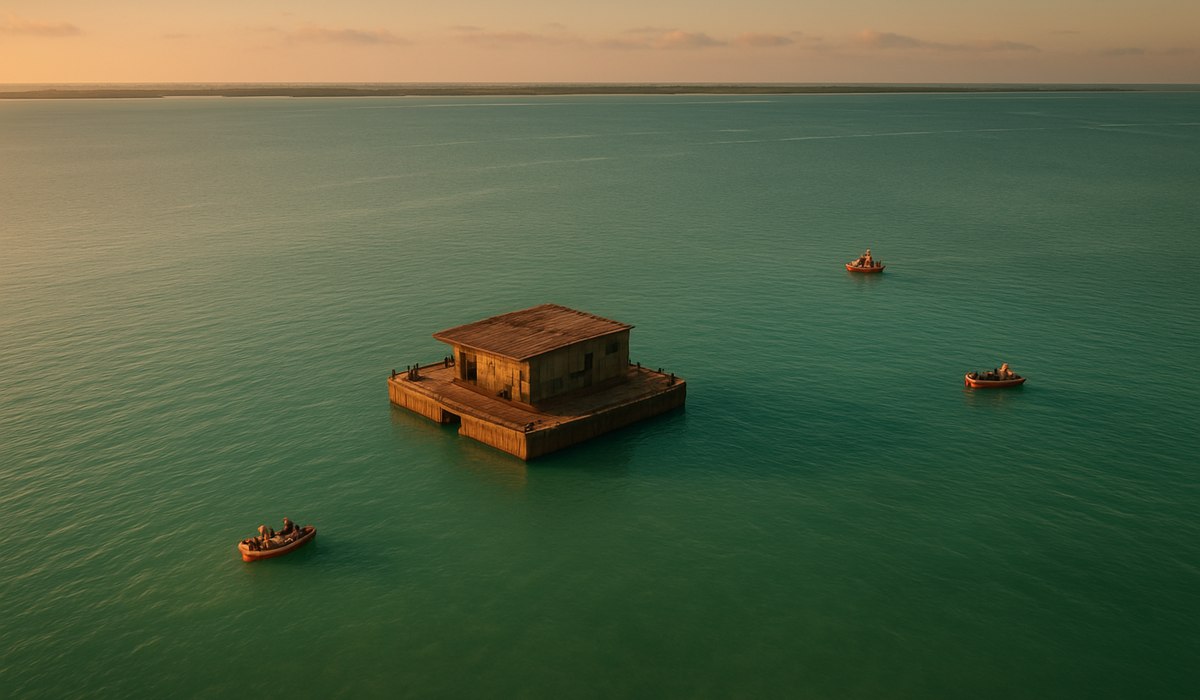
Image generated by AI
Mid-Lake Emergency: Floating Bridge Vessel Stranded With 30 Passengers
A floating bridge vessel carrying approximately 30 tourists experienced a catastrophic technical failure on Chilika Lake in Odisha, India, on April 8, 2026, leaving passengers stranded in the middle of the expansive lagoon. The vessel lost propulsion and maneuverability mid-journey, drifting away from established shipping lanes and designated routes. Quick intervention by local fishing communities and emergency response teams successfully evacuated all passengers to shore without reported serious injuries, though the incident has reignited safety concerns across the region's busy waterways.
The incident occurred during favorable weather conditions with good visibility, which likely prevented the situation from escalating into a more dangerous scenario. However, the stranding underscored vulnerability gaps in tourism infrastructure on one of India's most visited inland waterways.
Tourist Outing Turns Into Mid-Lake Ordeal
What began as a routine sightseeing excursion became a nerve-wracking ordeal when the floating bridge vessel suddenly lost power during its journey across Chilika Lake's central waters. The craft, designed to transport visitors across the lagoon's shallow and deeper sections while offering panoramic wildlife viewing opportunities, encountered mechanical difficulties that disabled its steering and propulsion systems simultaneously.
Passengers aboard found themselves unable to disembark due to considerable water depth and distance from the nearest shore access points. The water's brackish composition and unpredictable currents added complexity to the rescue operation. Local media reported that while anxiety levels among tourists ran high, physical danger remained minimal due to calm morning weather conditions and the vessel's stable floating platform design, which prevented capsizing risks.
The floating bridge vessel's design—combining pontoon stability with motor-powered propulsion—offers advantages for tourist transport but introduces dependency on mechanical systems that, when compromised, leave few alternatives for manual propulsion or steering. This operational reality became evident as responders coordinated the evacuation strategy.
Technical Failure Leaves Vessel Adrift
Engineering failures precipitated the stranding, though specific mechanical causes underwent assessment post-incident. Investigation teams examined whether the failure stemmed from engine malfunction, steering system degradation, or anchoring mechanism problems that allowed uncontrolled drifting.
The floating bridge vessel design relies heavily on continuous engine operation and functional steering systems to maintain position against Chilika Lake's variable currents and tidal influences. When propulsion failed, the craft became subject to natural water movement, gradually drifting from scheduled routes until it came to rest in open water.
Local boat operators and fishing communities—groups intimately familiar with Chilika's underwater topography, sandbars, and current patterns—responded immediately. These informal emergency networks activated rescue protocols that formal authorities sometimes struggled to match in speed and local knowledge. Smaller fishing vessels and service craft maneuvered alongside the stranded floating bridge vessel, coordinating passenger transfers in manageable groups while maintaining safety standards.
All 30 passengers reached shore safely, where medical personnel conducted precautionary health assessments. Regional emergency services noted that the rapid coordinated response prevented escalation that could have occurred if weather deteriorated or visibility decreased during the longer rescue operation.
Chilika Lake: Popular Destination for Boat Tours and Wildlife
Chilika Lake represents one of Asia's largest brackish water lagoons, stretching across three Odisha districts: Puri, Khurda, and Ganjam. The massive waterbody attracts thousands of domestic and international tourists annually, drawn by dolphin-watching opportunities, migratory bird populations, and scenic lake-based activities.
The floating bridge vessel fleet operates as part of broader Chilika tourism infrastructure designed to facilitate accessible water experiences for visitors of varying mobility levels. These specialized craft offer advantages over traditional small fishing boats, including greater stability, covered seating areas, and engineered safety features.
Tourism operators market Chilika Lake experiences through multiple channels, emphasizing wildlife encounters and scenic value. The incident during April 2026—peak tourist season—directly impacted visitor confidence and raised questions about vessel maintenance and operational standards across the region. Cruise Critic's travel guides to Indian destinations offer additional context on India's inland water tourism landscape and passenger expectations.
Wildlife diversity supports strong tourist demand. Migratory birds, particularly flamingos and other wetland species, create seasonal peaks in visitor arrivals. The floating bridge vessel services accommodate these fluctuations through expanded scheduling during peak months. Regular maintenance cycles must balance operational demands with safety requirements—a challenge many regional operators face.
Incident Data and Response Timeline
| Metric | Details |
|---|---|
| Passengers Stranded | Approximately 30 tourists |
| Vessel Type | Floating bridge vessel (pontoon-based) |
| Location | Central Chilika Lake, Odisha |
| Incident Date | April 8, 2026 |
| Time of Incident | Late morning hours |
| Weather Conditions | Calm, good visibility |
| Technical Failure | Propulsion and steering loss |
| Rescue Duration | Several hours |
| Serious Injuries | None reported |
| Evacuation Status | All 30 passengers safely returned to shore |
| Response Teams | Local fishing vessels, emergency responders |
| Follow-up Assessment | Engineering inspection of vessel systems |
Impact on Regional Tourism and Safety Protocols
The stranding incident reactivated debates within Odisha's tourism and maritime safety communities regarding adequacy of existing regulations for specialized craft like the floating bridge vessel. Traditional regulatory frameworks emphasize conventional ferries and passenger boats, often leaving pontoon-based tourism platforms in gray regulatory zones.
Publicly available guidance from Indian inland water transport authorities mandates life jacket availability, passenger load limits, crew training certifications, and periodic safety inspections. However, enforcement consistency varies significantly across regions and vessel categories. The floating bridge vessel incident highlighted implementation gaps, particularly for craft that don't conform to traditional classification standards.
Chilika Lake's geography intensifies operational challenges. Shifting sandbars, variable water depths, tidal influences, and sudden weather shifts require sophisticated navigation expertise. Pilots must maintain constant vigilance against environmental variables that could compromise vessel control. When mechanical systems fail, minimal backup options exist for alternative propulsion or steering mechanisms.
Regional authorities subsequently announced intentions to review safety protocols, increase inspection frequency for specialized passenger vessels, and establish clearer regulatory definitions for pontoon-based tourism craft. These discussions acknowledged that tourism growth often outpaces safety infrastructure development, creating cascading vulnerabilities.
The incident also underscored value of community-based emergency response networks. Local fishing communities' rapid involvement likely prevented scenario escalation. Formal emergency services benefit from integrating traditional maritime knowledge with modern rescue coordination protocols, particularly in regions where informal boat operators provide critical first-response capacity.
What This Means for Travelers Planning Chilika Lake Visits
Travelers should approach Chilika Lake tourism with informed caution, recognizing that while incidents remain relatively infrequent, the April 2026 floating bridge vessel stranding reflects genuine operational risks on inland waterways. Consider these actionable safety measures:
-
Verify Vessel Specifications: Before booking any Chilika Lake water tour, confirm that your operator uses properly certified vessels with current safety inspections, functional life jacket provisions, and trained crew members. Request documentation of maintenance records and vessel certifications.
-
Choose Established Operators: Select tourism companies with established reputations, multiple years of operational history, and transparent safety communication. Larger operators typically invest more substantially in maintenance and crew training protocols.
-
Check Weather Forecasts: Plan Chilika Lake excursions during optimal weather windows with clear forecasts. Avoid booking tours immediately before or after predicted wind shifts, rain events, or high-tide periods that
Disclaimer
This article is for informational and educational purposes only. It does not constitute legal, financial, or professional advice. While we strive to provide accurate and up-to-date information, travel policies, regulations, and conditions change rapidly. Always verify information with official sources before making travel decisions. Nomad Lawyer makes no representations about the accuracy, reliability, completeness, or suitability of the information provided. Readers should consult qualified professionals for advice specific to their circumstances. The views expressed in this article are those of the author and do not necessarily reflect the views of Nomad Lawyer.
Kunal K Choudhary
Co-Founder & Contributor
A passionate traveller and tech enthusiast. Kunal contributes to the vision and growth of Nomad Lawyer, bringing fresh perspectives and driving the community forward.
Learn more about our team →