
Floating Bridge Vessel Stranded on Chilika Lake with 30 Passengers Aboard
A floating bridge vessel carrying 30 passengers became stranded on Odisha's Chilika Lake in April 2026, reigniting critical safety and oversight concerns for India's vital coastal lagoon transport corridor.

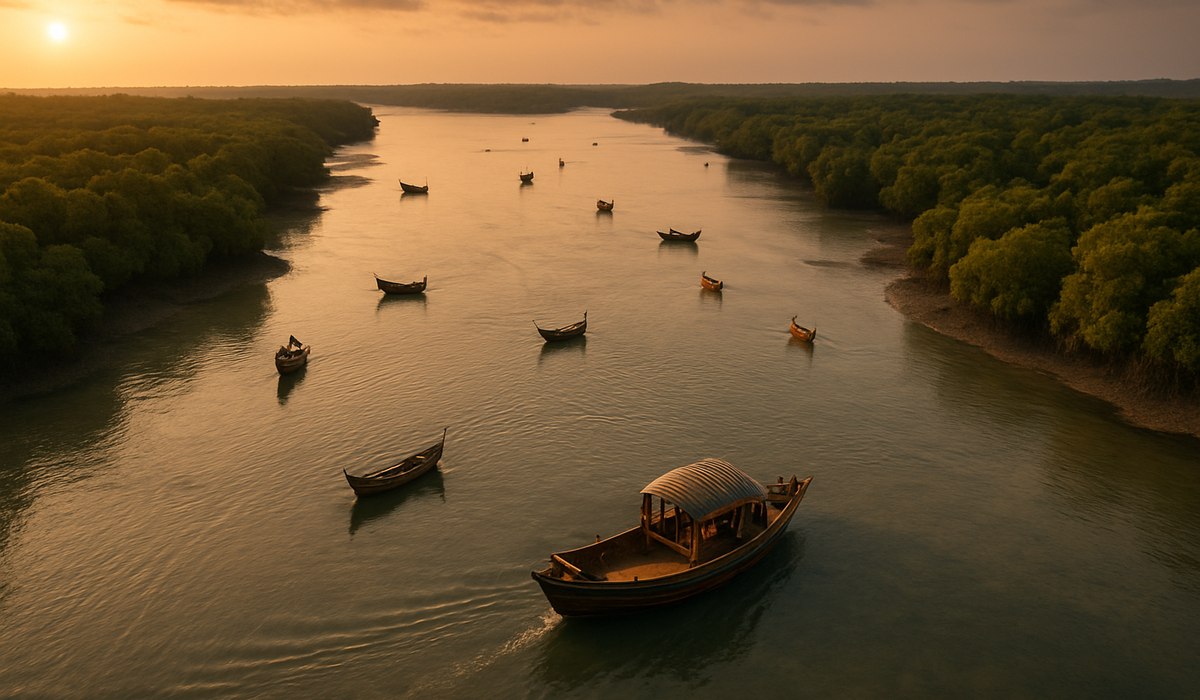
Image generated by AI
A Floating Bridge Vessel Becomes Stranded on India's Critical Coastal Lagoon
A floating bridge vessel carrying approximately 30 passengers became stranded in the middle of Odisha's Chilika Lake, disrupting local transit services and reigniting urgent discussions about passenger safety protocols on one of India's busiest and most economically vital coastal waterways. The incident, which occurred on April 8, 2026, unfolded when the vessel encountered both technical difficulties and shallow water conditions, leaving travelers in a temporary state of uncertainty until rescue operations concluded successfully. No serious injuries were reported, but the episode has intensified scrutiny over vessel maintenance standards and regulatory oversight affecting the thousands of daily commuters and tourists who depend on Chilika Lake's ferry network.
Vessel Stranded: What Happened on Chilika Lake
The floating bridge vessel encountered mechanical failure while operating in the middle section of Chilika Lake, a brackish lagoon spanning Puri, Khurda, and Ganjam districts in eastern Odisha. According to regional media reports, the vessel lost maneuverability after a combination of technical malfunction and contact with shallow water zones that periodically shift across the lagoon's bottom topography. The craft drifted from its intended route before coming to a complete halt, prompting urgent distress calls to nearby boat operators and local maritime authorities.
Initial passenger accounts described a period of heightened anxiety as the 30 travelers remained aboard the disabled floating bridge, watching rescue operations mobilize across the open water. Local fishermen and commercial boat operators responded quickly to the emergency, moving across the lagoon to provide assistance before official rescue vessels arrived at the scene. The response coordination highlighted both the resilience of Chilika's informal maritime community and the gaps in formal emergency protocols for vessels operating on this expansive lagoon.
Passengers Rescued After Technical Malfunction and Shallow Water Encounter
The evacuation process unfolded over several hours as rescue teams transferred passengers from the stranded floating bridge vessel using smaller country boats and mechanized dinghies. Rescue operators conducted multiple shuttle runs between the disabled vessel and nearby landing points at Satapada, Jahnikuda, and other established jetties around the lagoon's perimeter. All 30 passengers were successfully moved to safety without reports of serious injury, though the experience left many travelers shaken by the unexpected mechanical failure and extended time spent waiting on the water.
Local authorities coordinated with private boat operators to accelerate the evacuation process, demonstrating the interconnected nature of Chilika's maritime ecosystem. Despite the incident's successful resolution, it exposed vulnerabilities in communication systems between floating bridge operators and emergency response networks. Travel advisories issued by local tourism departments subsequently urged visitors to verify vessel condition and crew qualifications before boarding any watercraft on Chilika Lake.
For detailed information about cruise operations and maritime safety standards in Indian waters, consult Cruise Critic's travel safety resources and official state transportation guidelines.
Safety Questions Resurface on India's Busiest Coastal Lagoon
The stranding incident has revived persistent concerns about maintenance standards, regulatory enforcement, and contingency planning across Chilika Lake's diverse fleet of ferries, floating bridges, and private tourist boats. Observers note that the lagoon's shallow patches, seasonal water level variations, and shifting sandbars create unpredictable navigation challenges, particularly during peak tourism seasons when vessel capacity reaches maximum levels.
Published investigations reveal gaps in preventive maintenance practices, inconsistent safety inspections, and inadequate crew training for emergency situations. Many operators lack comprehensive life jacket distribution systems, documented load capacity protocols, and standardized procedures for engine failure scenarios. The contrast between floating bridges—marketed as scenic, convenient access points for visitors—and conventional ferries suggests that safety standards remain unevenly applied across different vessel categories operating on the same waterway.
Observers argue that floating bridge services should meet or exceed safety standards required for traditional ferries, given their exposure to waves, currents, and congestion during peak travel periods. Without consistent enforcement of these benchmarks, recurring incidents will likely continue affecting both passenger confidence and tourism revenue.
Transport and Tourism Hub Faces Recurring Navigation Disruptions
Chilika Lake functions simultaneously as a critical transport corridor connecting villages and markets across Odisha's coastal region and as a major tourism destination attracting visitors from across India for dolphin sightings, birdwatching, and island excursions. The floating bridge vessel stranding represents one incident in a broader pattern of navigation disruptions affecting this vital waterway. Historical records document similar incidents involving mechanized boats, cargo ferries, and tourist vessels encountering engine failures or running aground in shallow water stretches.
Previous stranding incidents have required ad hoc rescue efforts coordinated by fishermen and neighboring boat operators, demonstrating the lagoon's dependency on informal maritime networks rather than formalized emergency response infrastructure. These recurring disruptions introduce unpredictability for commuters relying on Chilika for daily access to employment, markets, and essential services. For tourism operators, repeated safety incidents risk undermining the destination's appeal and deterring international travelers seeking reliable, secure waterway experiences.
The latest floating bridge vessel incident underscores the need for comprehensive infrastructure investment, including upgraded communication systems, regular maintenance facilities, and standardized crew training protocols applicable to all vessel operators across Chilika Lake.
Chilika Lake Vessel Safety Data (2022–2026)
| Metric | Details |
|---|---|
| Lagoon dimensions | 1,165 sq km spanning Puri, Khurda, Ganjam districts |
| Daily passenger volume | Approximately 8,000–12,000 commuters and tourists |
| Primary vessel types | Country boats, mechanized ferries, floating bridges, fishing vessels |
| Common breakdown causes | Engine failure, shallow water contact, mechanical wear, inadequate maintenance |
| Rescue coordination | Informal fishery networks, private boat operators, occasional official maritime authority intervention |
| April 2026 incident | Floating bridge vessel with 30 passengers stranded; all evacuated successfully via smaller boats |
| Reported safety gaps | Inconsistent maintenance, uneven safety standard enforcement, limited life jacket availability, variable crew training |
| Tourism impact | Dolphin tours, birdwatching excursions, island visits vulnerable to service disruptions |
What This Means for Travelers Using Chilika Lake Services
The floating bridge vessel stranding carries important implications for commuters, tourists, and travel operators depending on Chilika Lake's maritime network. Consider these actionable precautions before planning water-based travel across the lagoon:
-
Verify vessel condition before boarding: Inspect the floating bridge or ferry for visible signs of wear, rust, or mechanical neglect. Ask operators about recent maintenance records and engine inspection dates.
-
Confirm crew qualifications and safety protocols: Inquire whether crew members possess emergency response certification, life jacket distribution training, and contingency communication systems for mechanical failures.
-
Check real-time weather and water conditions: Monitor seasonal water levels, monsoon forecasts, and recent incident reports before scheduling travel. Peak tourism seasons may correlate with higher mechanical failure rates due to increased passenger loads.
-
Identify alternative transportation routes: Familiarize yourself with backup travel options including longer overland routes around the lagoon's perimeter in case floating bridge services experience disruption.
-
Travel during daylight hours: Schedule crossings for early morning or afternoon departure times when rescue operations can mobilize more rapidly if mechanical problems develop.
-
Register with local tourism authorities: Inform hotel concierges or tourism operators of your planned floating bridge itinerary, enabling faster assistance coordination if service interruptions occur.
Frequently Asked Questions About Chilika Lake Travel Safety
What is a floating bridge vessel, and how does it differ from conventional ferries? Floating bridge vessels are shallow-draft
Disclaimer
This article is for informational and educational purposes only. It does not constitute legal, financial, or professional advice. While we strive to provide accurate and up-to-date information, travel policies, regulations, and conditions change rapidly. Always verify information with official sources before making travel decisions. Nomad Lawyer makes no representations about the accuracy, reliability, completeness, or suitability of the information provided. Readers should consult qualified professionals for advice specific to their circumstances. The views expressed in this article are those of the author and do not necessarily reflect the views of Nomad Lawyer.
Raushan Kumar
Founder & Lead Developer
Full-stack developer with 11+ years of experience and a passionate traveller. Raushan built Nomad Lawyer from the ground up with a vision to create the best travel and law experience on the web.
Learn more about our team →