
Ryanair Fury: Krakow Passengers Stranded in Freezing Airport Overnight
Hundreds of Ryanair fury erupts as Krakow passengers face freezing overnight ordeal in 2026 after last-minute cancellation leaves families without accommodation or communication support.

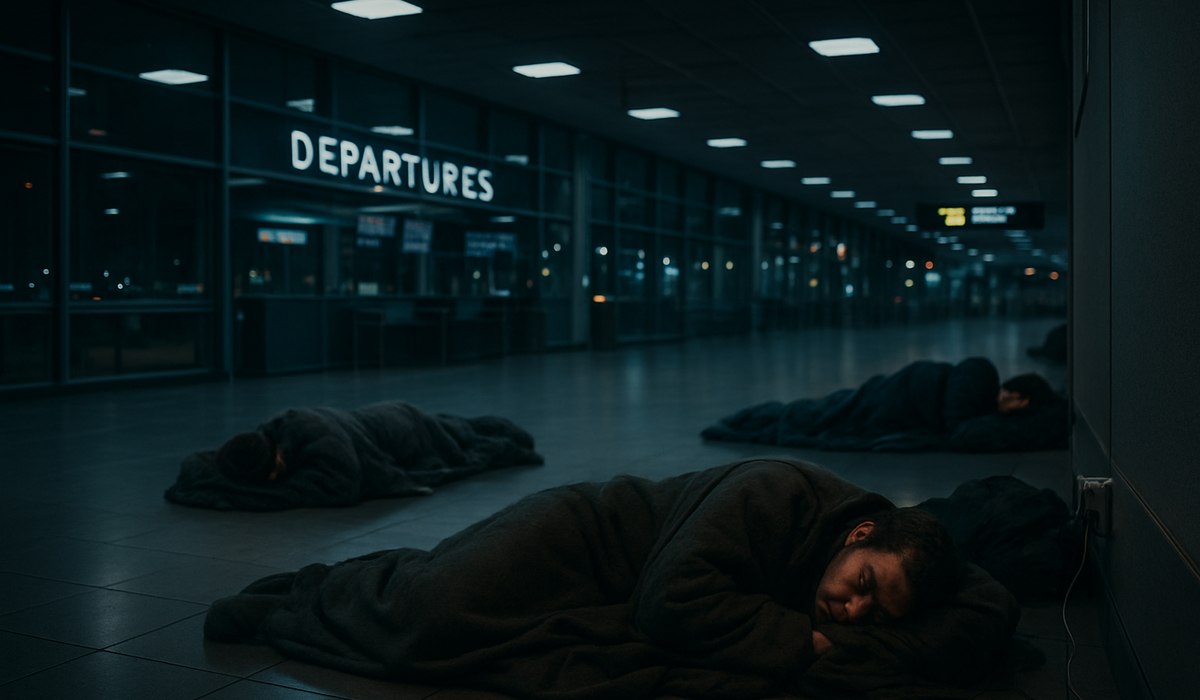
Image generated by AI
Hundreds of Ryanair Passengers Endure Ryanair Fury at Krakow After Last-Minute Cancellation
Ryanair fury exploded at Poland's John Paul II International Airport when hundreds of travelers spent a freezing night stranded after a last-minute flight cancellation left families, students, and holidaymakers without accommodation or clear communication. The April 2026 incident unfolded as sub-zero temperatures gripped southern Poland, trapping passengers in terminal buildings with limited access to food, warmth, or transparent rebooking options. The overnight ordeal has reignited debate over airline duty-of-care obligations and enforcement of European passenger protection regulations.
Overnight Ordeal in Sub-Zero Conditions
The ryanair fury incident escalated when temperatures near Krakow dropped to freezing levels just as the airline cancelled an evening service with minimal advance notice. Social media images revealed travelers huddled in departures halls, wrapped in coats and blankets, attempting to sleep on terminal floors under harsh fluorescent lighting. Elderly passengers and young children struggled visibly against the cold as the night extended, according to firsthand accounts shared across travel forums and local news outlets.
Airport facilities contributed significantly to passenger suffering. Multiple travelers reported that terminal shops and cafes shuttered for several hours overnight, eliminating access to hot beverages and warm food. Many passengers feared leaving the terminal entirely, worried they might miss rebooked flights or critical announcements about alternative arrangements. The psychological burden of uncertainty combined with physical discomfort to create what advocates described as an inhumane situation that violated basic standards of traveler care.
Local weather data from Krakow underscores why the overnight stranding proved particularly challenging. The airport sits in an exposed location where freezing fog and icy winds frequently disrupt operations during winter months. Passengers explained their reluctance to venture into the city searching for hotels given these dangerous conditions and the late hour when public transportation had ceased running.
Communication Breakdown and Passenger Confusion
The ryanair fury intensified dramatically due to profound communication failures throughout the cancellation event. Travelers reported receiving contradictory information through multiple channels, with initial messages sometimes framing the disruption as a delay before the flight disappeared entirely from departure boards. Some passengers described receiving messages directing them to check the Ryanair app, only to discover constantly shifting updates and unclear rebooking options.
This communication vacuum forced stranded passengers to rely on social media groups and informal peer networks rather than official airport or airline channels. Screenshots of app notifications, rebooking tips, and passenger rights information circulated through travel forums and messaging platforms, revealing the absence of consistent guidance from official sources. Travelers expressed frustration at the disconnect between Ryanair's digital-first support model and the urgent, complex needs created by a major overnight disruption.
Industry observers note that this pattern has emerged repeatedly across European low-cost carriers facing capacity or operational challenges. When thousands of passengers require simultaneous care and rebooking, relying exclusively on apps and digital channels often leaves travelers feeling abandoned and confused. The Krakow experience demonstrates how cost-reduction strategies in customer service delivery can catastrophically fail during crisis situations, particularly during night hours when human assistance becomes essential.
Airport Facilities and Support Failures
Krakow's John Paul II International Airport faced significant criticism for inadequate support systems during the overnight stranding. Beyond the documented closure of food service facilities, passengers reported insufficient seating, limited charging stations relative to the number of stranded travelers, and no clear designated areas for overnight accommodation within the terminal.
The airport's operational infrastructure reflected challenges common at regional European hubs: designed for typical passenger flows rather than mass overnight disruptions. With hundreds of people requiring support simultaneously, basic facilities quickly became overwhelmed. Advocacy organizations monitoring the incident highlighted how airport management and airline coordination appeared minimal, with passengers left to self-organize support networks.
For travelers affected by disruptions at major European airports, understanding facility limitations becomes crucial. The Krakow incident underscores why documented passenger rights exist: they compensate for the genuine constraints regional airports face when managing large-scale disruptions. Consumer advocates recommend all affected passengers document facility shortcomings through photos and written notes, as this evidence supports compensation claims under European Regulation EC 261/2004.
Passenger Rights and Airline Responsibility
European Regulation EC 261/2004 establishes clear obligations for airlines managing flight cancellations and significant delays. Airlines must provide meals, refreshments, accommodation when necessary, and transportation between airports and hotels. Compensation payments typically range from €250 to €600 depending on flight distance, though airlines can claim exemptions for extraordinary circumstances beyond their control.
The critical distinction in the Krakow case involves care obligations versus compensation eligibility. Even when airlines successfully argue that weather or air traffic restrictions caused cancellations, they remain legally required to provide reasonable overnight support. Multiple legal specialists reviewing the ryanair fury incident noted that the absence of clear accommodation arrangements likely violated these duty-of-care obligations, regardless of compensation eligibility.
Enforcement challenges plague the regulation's implementation across Europe. National aviation authorities in EU member states theoretically oversee compliance, but understaffing and bureaucratic delays often prevent meaningful enforcement action. Passenger advocacy groups encourage affected travelers to file formal complaints with both the airline and their country's aviation enforcement body, as documented patterns can trigger regulatory investigations.
Affected passengers should preserve all documentation: boarding passes, booking confirmations, photographs of terminal conditions, receipts for food or emergency supplies, and screenshots of app communications. This evidence proves essential when pursuing compensation or supporting complaints to national authorities responsible for monitoring Regulation 261/2004 compliance.
Key Facts and Timeline
| Aspect | Details |
|---|---|
| Incident Date | April 27, 2026 |
| Location | John Paul II International Airport, Krakow, Poland |
| Affected Passengers | Hundreds (exact count not officially confirmed) |
| Temperature | Near or below freezing (0°C/32°F) |
| Duration of Stranding | Full overnight period (approximately 8-10 hours) |
| Primary Issue | Last-minute flight cancellation with minimal notice |
| Communication Method | Primarily digital channels (app-based alerts) |
| Support Provided | Limited; terminal facilities closed for several hours |
| Applicable Regulation | EU Regulation EC 261/2004 |
| Compensation Range | €250–€600 (subject to extraordinary circumstances exemptions) |
| Passenger Access | Food services: closed temporarily; Charging stations: insufficient |
What This Means for Travelers
The Krakow ryanair fury incident reveals critical vulnerabilities in how European airlines manage mass disruptions. Here's how travelers can protect themselves:
1. Understand Your Rights Immediately. EU Regulation EC 261/2004 grants you meals, refreshments, accommodation, and transport even when compensation isn't owed. Familiarize yourself with these rights before traveling within Europe.
2. Document Everything During Disruptions. Photograph terminal conditions, food availability, and passenger crowds. Screenshot all app notifications and keep boarding passes. These records support compensation claims months later.
3. Demand Written Confirmation. Request written cancellation notices and accommodation arrangements from airline staff or airport information desks. Do not rely solely on app messages, which can disappear or become unclear.
4. Secure Your Own Accommodation if Necessary. If airlines fail to provide overnight lodging, book hotels yourself and preserve receipts. You can later pursue reimbursement through compensation claims, even if the airline initially denies responsibility.
5. File Formal Complaints. Contact both the airline's customer service and your country's aviation authority. Documented complaints create regulatory pressure and contribute to enforcement actions against repeat offenders.
**6. Consider Third
Disclaimer
This article is for informational and educational purposes only. It does not constitute legal, financial, or professional advice. While we strive to provide accurate and up-to-date information, travel policies, regulations, and conditions change rapidly. Always verify information with official sources before making travel decisions. Nomad Lawyer makes no representations about the accuracy, reliability, completeness, or suitability of the information provided. Readers should consult qualified professionals for advice specific to their circumstances. The views expressed in this article are those of the author and do not necessarily reflect the views of Nomad Lawyer.
Preeti Gunjan
Contributor & Community Manager
A passionate traveller and community builder. Preeti helps grow the Nomad Lawyer community, fostering engagement and bringing the reader experience to life.
Learn more about our team →