
Flight Delays Washington Dulles Surge as Spring Storms Meet ATC Disruptions in April 2026
Washington Dulles faces cascading flight delays in April 2026 as thunderstorms, air traffic control disruptions, and runway maintenance converge. Over 80 flights delayed on April 1 alone affecting major carriers and transatlantic routes.

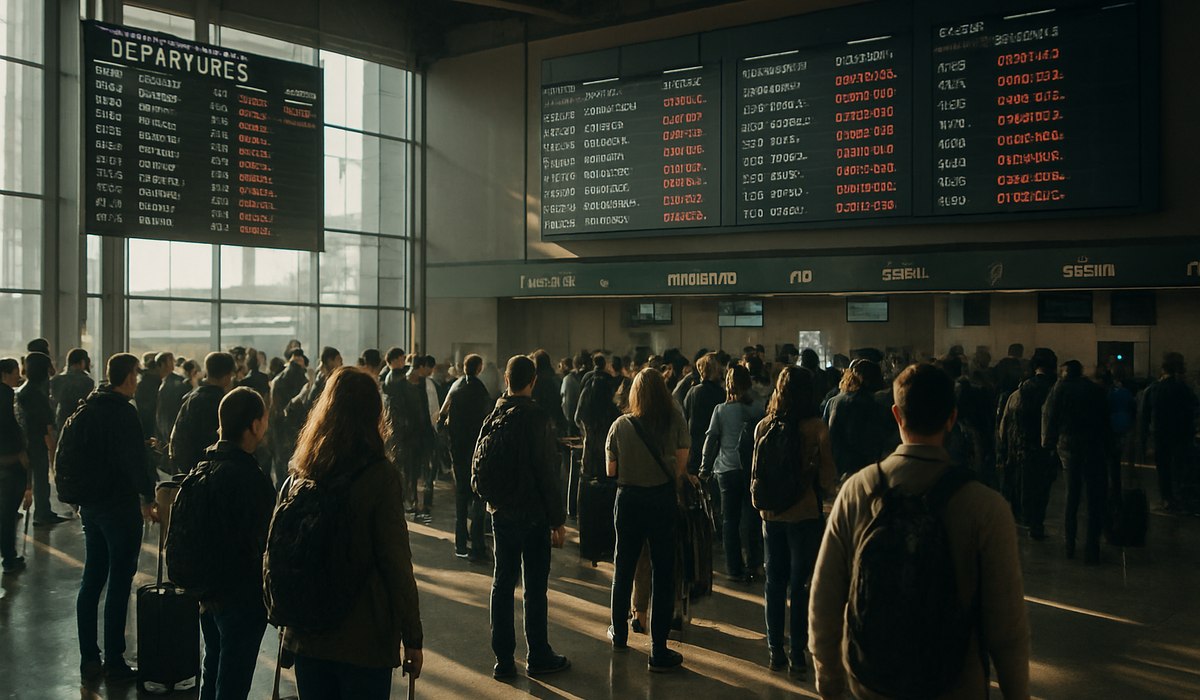
Image generated by AI
Washington Dulles Grapples with Perfect Storm of Operational Challenges
Washington Dulles International Airport is navigating unprecedented operational strain as peak spring travel season collides with severe weather, air traffic management complications, and ongoing facility upgrades. Early April disruptions have already impacted thousands of passengers, with more than 80 delayed flights on April 1st alone affecting major carriers including United Airlines, American Airlines, and Delta Air Lines. The convergence of these three distinct operational pressures has created a cascading effect throughout regional airspace and downstream connections across North America and transatlantic routes.
Thunderstorms Trigger Ground Stops Across Washington Region
Spring thunderstorms have emerged as the primary culprit behind recent flight delays at Washington, with fast-moving systems sweeping across the Mid-Atlantic during critical afternoon and evening travel windows. The April 1 weather event proved particularly disruptive, triggering temporary ground stops that affected not only Dulles but also Reagan National Airport (DCA) and Baltimore/Washington International (BWI).
During peak travel hours, inbound aircraft were held at departure airports while outbound flights from Dulles slowed significantly. Passengers experienced extended customer service delays, evaporated connections, and late-night arrival complications. While Mid-Atlantic thunderstorms are seasonally predictable, the timing and intensity of early April systems demonstrated how rapidly severe weather can overwhelm normal operations during busy travel periods.
The lingering effects extended well beyond the storm's passage. Crew misalignments and aircraft repositioning issues created cascading delays that persisted for hours, with some flights departing three or more hours behind schedule. The April weather pattern reinforces why spring remains a challenging season for the entire Washington aviation corridor.
Air Traffic Control Disruptions Compound April Challenges
Regional air traffic management issues have significantly amplified the impact of weather-related disruptions at Dulles. According to the Federal Aviation Administration, March ground stops were imposed across all three major Washington-area airports following complications at the Potomac Consolidated Terminal Radar Approach Control facility.
These ATC-driven delays stretched beyond three hours for certain services, forcing airlines into April with already-strained operational reserves. The displacement of aircraft and crew created ripple effects that reduced the system's ability to absorb subsequent weather events. When additional disruptions occurred, the cumulative strain produced wider cascading impacts across domestic and international networks.
This layered vulnerability means that local delays at Dulles now carry heightened probability of affecting downstream connections. A departure delay from Washington can trigger missed international connection banks and curfew violations at European hubs, creating exponential passenger disruption across multiple flights and carriers.
Visit the FAA's official status page for real-time air traffic management updates and ground stop announcements.
Airfield Work Adds to Operational Strain
Long-term infrastructure modernization at Dulles is compounding short-term operational challenges. Ongoing airfield lighting and control system upgrades throughout 2026 require periodic runway and taxiway closures, reconfigured traffic patterns, and nighttime work windows that eliminate scheduling flexibility.
While these safety and efficiency improvements serve long-term airport objectives, they reduce operational margins during peak travel periods. When weather disruptions occur simultaneously with infrastructure work, the airport lacks buffering capacity to redirect traffic or extend service hours. Runway configuration changes force aircraft into suboptimal sequences, extending taxi times and reducing hourly throughput.
Airlines must factor these physical constraints into their April scheduling, accepting reduced capacity as infrastructure work continues through the spring and beyond.
Impact on Major Routes and Passengers
The April 1 disruptions specifically affected key business and leisure corridors. Delayed and canceled flights connected Dulles with New York, Chicago, Toronto, and London, illustrating how localized disruptions at Washington reverberate across continental and transatlantic networks.
As a major hub for long-haul international operations, Dulles flight delays carry disproportionate impact. Late departures from Washington create missed connection windows at overseas airports, curfew violations, and crew rest violations that trigger cascading international schedule disruptions. United Airlines, as Dulles's primary international carrier, absorbed substantial operational impacts affecting European and international service.
Over 80 delayed flights on April 1 affected approximately 12,000–15,000 passengers across the three carriers, with additional impacts extending to downstream hubs including Newark, Chicago O'Hare, and London Heathrow.
Operational Disruption Summary Table
| Metric | Details |
|---|---|
| Primary Airport | Washington Dulles International (IAD) |
| April 1 Delayed Flights | 80+ departures and arrivals across major carriers |
| Primary Cause | Spring thunderstorms + ATC disruptions + infrastructure work |
| Affected Carriers | United Airlines, American Airlines, Delta Air Lines |
| Key Routes Impacted | Dulles–New York, Dulles–Chicago, Dulles–Toronto, Dulles–London |
| Maximum Individual Delays | 3+ hours from scheduled departure |
| Estimated Passengers Affected | 12,000–15,000 on April 1 |
| Concurrent Operational Factor | Airfield lighting/control system upgrades ongoing |
| Regional Scope | DCA and BWI also experienced disruptions |
| Recovery Timeline | Partial recovery by late evening; crew/aircraft repositioning continued into April 2 |
What This Means for Travelers Moving Forward
Flight delays in Washington will likely persist through mid-April as spring weather patterns continue and infrastructure work constrains airport capacity. Passengers should adopt proactive measures:
-
Check flight status 24 hours before travel using FlightAware to monitor real-time delays and ground stop information.
-
Book morning departures when weather is more predictable and air traffic flows remain uncongested.
-
Build connection buffers of at least 3 hours for international connections and 2 hours for domestic transfers.
-
Understand passenger rights under Department of Transportation regulations, which mandate compensation for significant delays—review US DOT Consumer Protections.
-
Maintain flexibility with refundable tickets or flexible date bookings during April peak season.
-
Monitor weather forecasts and airline schedule updates through April 15, when severe weather probability typically declines.
-
Contact your airline directly 12 hours pre-flight to confirm operating status and gate information.
Frequently Asked Questions
Q: What are passenger rights during flight delays at Dulles? Under U.S. Department of Transportation regulations, passengers are entitled to meals, hotel accommodations, and ground transportation during lengthy delays. Significant delays (3+ hours for domestic, 6+ hours for international) may qualify for compensation. Review your airline's delay policy and submit claims documentation promptly.
Q: Should I avoid flying Dulles in April 2026? April remains a viable travel month for Dulles passengers with careful planning. Book morning flights, add connection buffers, monitor weather forecasts, and remain flexible with dates when possible. Infrastructure work continues but does not eliminate service; rather, it creates operational tightness during peak hours.
Q: How can I track real-time flight status at Washington Dulles? Visit FlightAware or your airline's website for real-time departure/arrival information. The FAA publishes ground stop notices and delay advisories on its official status page. Set up push notifications through your airline app for gate changes and boarding updates.
Q: Which airlines are most affected by Dulles delays? United Airlines, as the dominant Dulles carrier with the largest international footprint, experiences disproportionate disruption exposure. American Airlines and
Disclaimer
This article is for informational and educational purposes only. It does not constitute legal, financial, or professional advice. While we strive to provide accurate and up-to-date information, travel policies, regulations, and conditions change rapidly. Always verify information with official sources before making travel decisions. Nomad Lawyer makes no representations about the accuracy, reliability, completeness, or suitability of the information provided. Readers should consult qualified professionals for advice specific to their circumstances. The views expressed in this article are those of the author and do not necessarily reflect the views of Nomad Lawyer.
Raushan Kumar
Founder & Lead Developer
Full-stack developer with 11+ years of experience and a passionate traveller. Raushan built Nomad Lawyer from the ground up with a vision to create the best travel and law experience on the web.
Learn more about our team →