
Flight Delays Snarl April Travel at Washington Dulles Airport
Spring storms and air traffic control constraints are triggering widespread flight delays snarl conditions at Washington Dulles in April 2026, disrupting transatlantic connections and forcing passenger rebookings across the capital region.

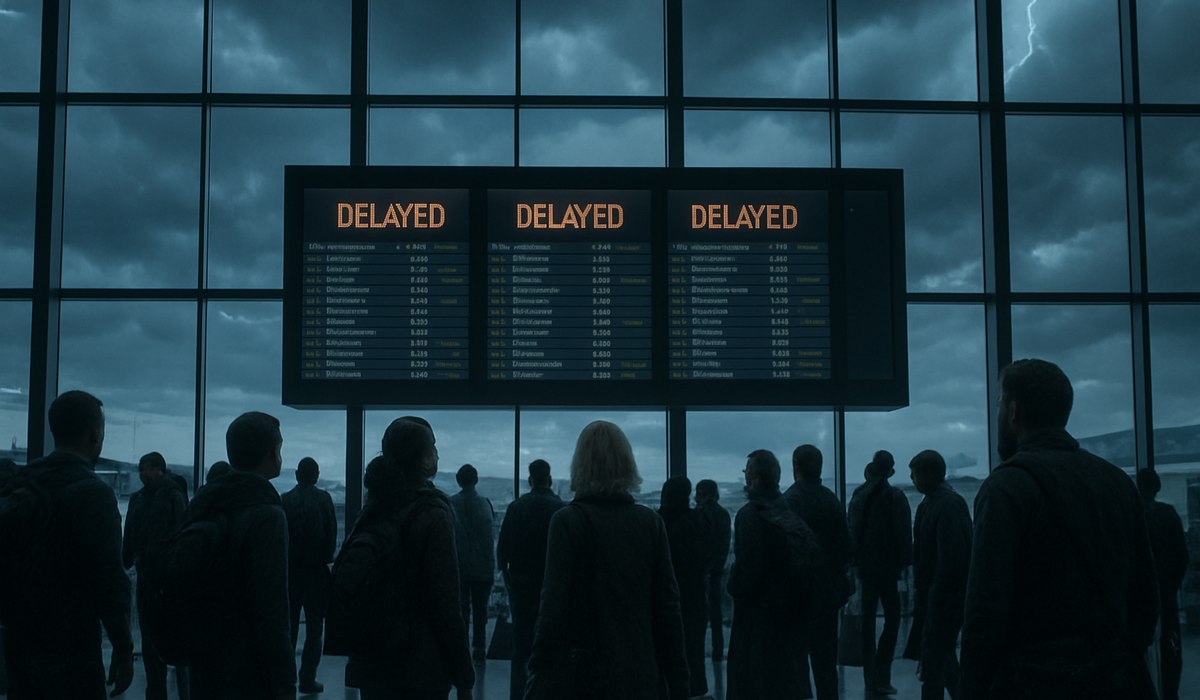
Image generated by AI
Spring Storms Create Major Flight Delays Snarl at Washington Dulles
Washington Dulles International Airport is experiencing significant operational disruptions throughout April 2026, with passengers reporting widespread flight delays snarl affecting both domestic and international routes. Fast-moving spring thunderstorms sweeping through the Mid-Atlantic region have collided with persistent air traffic control constraints, creating a perfect storm of travel chaos. The combination has forced airlines to implement rolling delays, ground stops, and extensive passenger rebookings, particularly impacting transatlantic travelers with tight connection windows.
The airport that serves the nation's capital region is struggling to maintain schedule reliability as weather systems repeatedly trigger capacity reductions. Controllers at the facility have implemented spacing restrictions and ground delay programs during peak afternoon and evening departure banks. Travelers report delays exceeding one hour on individual flights, with some passengers spending extended time in terminals waiting for rebooking opportunities.
Spring Storms Trigger Fresh Wave of April Disruptions at Dulles
Mid-Atlantic thunderstorms descended on Washington airspace on April 1, 2026, initiating the first major disruption wave of the month. Storm systems brought lightning, low clouds, and rapidly shifting wind patterns that forced air traffic managers to reduce arrival and departure slots for safety compliance. Afternoon departures faced the most severe impacts, with evening flights pushed back as weather cells moved through the region.
These April weather events follow a pattern of spring precipitation that has affected multiple US airline hubs nationwide. The cascading effect at Dulles has been notable—each weather event triggers extended recovery periods as aircraft and crews reposition. Forecasts suggest additional thunderstorm activity during key weekends throughout the second half of April, signaling sustained disruption risk for holiday and weekend travel patterns.
The weather-driven slowdowns have compounded underlying capacity challenges at the airport. Operational summaries from aviation tracking services show mounting congestion inside the terminal and on surrounding roadway approaches. Airlines continue to delay rather than cancel flights when possible, extending passenger itineraries well beyond planned durations. This strategy maintains aircraft rotation but creates bottlenecks at gates and rebooking desks during peak disruption windows.
Transatlantic Travelers Hit Hardest by Short-Layover Rebookings
International passengers connecting through Washington Dulles face disproportionate impacts from the flight delays snarl affecting the airport in April. Travelers booked on itineraries with short layover windows—particularly afternoon connections to European destinations—report missed connections and forced overnight stays in nearby hotels. Airlines have struggled to rebook affected passengers on alternative transatlantic flights without creating additional delays.
The challenge intensifies because transatlantic routes operate on narrow scheduling windows tied to international gateway slots and fuel planning requirements. When inbound domestic flights arrive late, connecting passengers miss their international departures, leaving them stranded with limited same-day alternatives. Some carriers have implemented waived change fees for affected passengers, though rebooking to the next available transatlantic flight may require a 24-hour layover.
Business travelers and those with tight vacation windows report the most frustration. The compounding effect of ground delays, gate changes, and crew restrictions means passengers cannot always connect even to flights departing hours after their missed departure. Airlines' rebooking systems become overwhelmed during peak disruption periods, extending wait times at customer service desks to several hours.
Air Traffic Control Constraints Extend Recovery Times
Underlying the weather-driven chaos at Washington Dulles lies a structural vulnerability in the region's air traffic infrastructure. The Potomac Terminal Radar Approach Control facility in Warrenton, Virginia, which manages approach sequencing for the capital region's airports, experienced significant operational challenges in March 2026. Following environmental issues at this critical facility, controllers were forced to evacuate on multiple occasions, triggering ground stops affecting Dulles, Reagan National, and Baltimore-Washington International.
Although full service was restored, these March disruptions exposed how dependent the region remains on a single control node. Recovery times from ATC-related ground stops extend hours beyond the initial event because airlines must reposition aircraft and crews across the entire network. When March ATC problems coincided with spring storms, the compounding effect created cascading delays that rippled through April schedules.
In April 2026, Dulles continues experiencing pressure from national network fragmentation. Delay programs at other major hubs periodically affect Dulles-bound flights, forcing schedule adjustments and creating irregular operations on certain days. The airport lacks sufficient buffer capacity to absorb shocks without triggering wider disruptions. Each weather cell or equipment issue risks tipping the system into fresh rounds of holding patterns and rolling departure pushes.
Weather Forecast Signals More Disruption for Second Half of April
Meteorological forecasts for April 2026 predict continued spring storm activity affecting the Mid-Atlantic region during key travel weekends. The atmospheric pattern suggests that low-pressure systems will periodically move through the Washington corridor, bringing thunderstorm activity capable of triggering ground stops or significant delays. This sustained threat means travelers should anticipate ongoing disruptions throughout April.
The second half of April coincides with increased leisure travel demand as spring break extends and early summer vacation planning accelerates. Higher passenger volumes combined with forecast storm potential create a recipe for sustained operational stress at Washington Dulles. Airlines have already begun proactive communication with passengers about potential delays and rebooking policies.
Weather-driven ground stops can generate follow-on delays lasting six to twelve hours after weather clears, as the system works through the backlog of held flights. Controller workload increases dramatically during recovery periods, limiting their ability to absorb new disruptions. Passengers booked on flights between April 15-30 should monitor weather forecasts and airline delay notifications closely.
Real-Time Flight Tracking and Delay Information
Passengers can monitor real-time delay conditions at Washington Dulles through FlightAware, which provides live tracking data, gate information, and historical delay patterns. The platform allows travelers to set alerts for specific flights and receive notifications when delays develop. [The FAA's Fly.Gov tool](https://www.faa.gov) offers official delay program status and expected recovery times for affected airports.
Check your airline's website or mobile app for official schedule changes and rebooking options before heading to the airport. Most carriers provide delay notifications to passengers booked on affected flights. For regulatory information about passenger rights during disruptions, reference the US Department of Transportation airline consumer protection page.
What This Means for Travelers
The flight delays snarl at Washington Dulles in April 2026 requires proactive planning and flexibility from travelers. Here's how to protect your journey:
-
Book flights earlier in the day to minimize weather exposure and reduce connection risk. Morning departures face lower disruption probability than afternoon or evening flights.
-
Allow extended layover buffers when connecting through Dulles, especially for transatlantic itineraries. Standard 90-minute connections may prove insufficient during disruption windows.
-
Arrive at the airport earlier than normally scheduled to account for potential rebooking desk congestion and gate changes. Extra time provides flexibility if your flight faces unexpected delays.
-
Monitor weather forecasts and airline notifications daily leading up to your departure. Check delay program status on FlightAware the morning of travel.
-
Understand your airline's rebooking and compensation policies before you travel. Policies vary significantly between carriers regarding meals, hotels, and alternative flight options.
-
Consider travel insurance for April 2026 trips through Washington Dulles, particularly if your itinerary includes tight connections or international segments with high rebooking cost.
Key Disruption Data at Washington Dulles (April 2026)
| Metric | Impact | Details |
|---|---|---|
| Peak Disruption Date | April 1, 2026 | Thunderstorms triggered ground stops and rolling delays |
| Average Flight Delay | 45-75 minutes | Afternoon/evening departures affected most severely |
Disclaimer
This article is for informational and educational purposes only. It does not constitute legal, financial, or professional advice. While we strive to provide accurate and up-to-date information, travel policies, regulations, and conditions change rapidly. Always verify information with official sources before making travel decisions. Nomad Lawyer makes no representations about the accuracy, reliability, completeness, or suitability of the information provided. Readers should consult qualified professionals for advice specific to their circumstances. The views expressed in this article are those of the author and do not necessarily reflect the views of Nomad Lawyer.
Raushan Kumar
Founder & Lead Developer
Full-stack developer with 11+ years of experience and a passionate traveller. Raushan built Nomad Lawyer from the ground up with a vision to create the best travel and law experience on the web.
Learn more about our team →