
Boeing 737 Operating Costs: Why Budget Airlines Spend Less Than Legacy Carriers in 2026
Boeing 737 operating costs fluctuate dramatically between carriers in 2026. Budget airlines like Ryanair spend significantly less per flight hour than legacy carriers like United due to labor, maintenance, and fuel strategies.

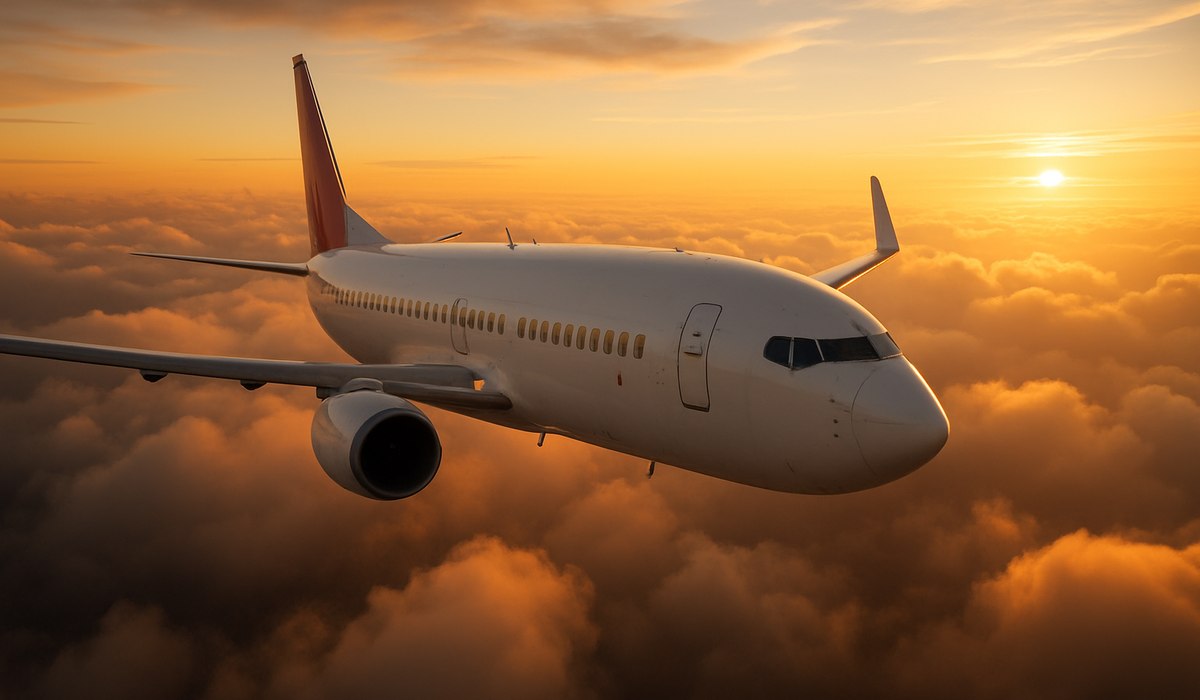
Image generated by AI
The Boeing 737 Remains Aviation's Workhorse—But Operating Costs Tell the Real Story
The Boeing 737 dominates global aviation, serving as the primary aircraft for short and medium-haul routes across every continent. Yet determining precise Boeing 737 operating costs requires understanding that these expenses are far from uniform. A single flight hour can cost Ryanair significantly less than United Airlines, even when both operate identical aircraft types. The difference lies not in the plane itself, but in how each carrier manages labor, fuel, and maintenance strategies.
Operating costs fluctuate based on aircraft utilization, carrier business model, labor agreements, and regional fuel prices. This variability means airlines structure their operations around cost control mechanisms that directly impact ticket pricing and route profitability. Understanding these dynamics helps nomadic professionals and frequent travelers recognize why budget carriers offer lower fares without necessarily compromising safety or reliability.
Why Boeing 737 Operating Costs Vary So Dramatically
Aircraft operating expenses depend on multiple controllable and uncontrollable factors. The Boeing 737's widespread adoption means thousands of flights daily, yet no two operators maintain identical cost structures. High-utilization carriers optimize every operational aspect, while full-service airlines balance cost efficiency with premium service expectations.
Fuel represents the single largest variable expense for any airline. Although airlines cannot control global fuel prices, they can influence consumption through flight planning, aircraft weight management, and engine maintenance standards. Similarly, labor costs—often 20-30% of total operating expenses—vary dramatically between unionized legacy carriers and non-union budget operators. Maintenance programs also differ substantially: some carriers perform more frequent preventive maintenance, while others adopt condition-based strategies that reduce downtime but require sophisticated monitoring systems.
Aircraft financing and depreciation schedules further impact long-term operating costs. Newer 737 variants like the MAX 8 offer improved fuel efficiency, yet older 737-800 aircraft remain economically viable for budget carriers operating shorter routes. Route structure, airport fees, and ground handling also contribute to regional cost variations that don't appear in simple per-hour calculations.
Cost Breakdown: Labor, Fuel, and Maintenance Factors
Labor expenses represent the second-largest operational cost after fuel for most carriers. Legacy airlines like United maintain union contracts guaranteeing higher wages, comprehensive benefits, and stricter work-rule provisions. Ryanair, operating under different labor frameworks across European bases, achieves lower crew costs through different employment structures and productivity standards. A single captain's annual salary can vary by $50,000-$100,000 between these carrier types.
Fuel efficiency directly correlates with aircraft maintenance quality and operational discipline. Airlines investing in advanced engine monitoring systems reduce fuel consumption by 2-4% compared to carriers using basic maintenance protocols. Fuel represents approximately 25-35% of operating costs depending on fuel prices and aircraft age. Rising jet fuel prices in 2026 have intensified cost management focus across the industry.
Maintenance costs typically account for 8-12% of total operating expenses. Scheduled maintenance on Boeing 737s includes 10-day checks, 400-hour checks, C-checks (every 3 years), and D-checks (every 10 years). Budget carriers often schedule maintenance during low-demand periods and negotiate better parts pricing through volume contracts. Legacy carriers, facing higher staff wages and more conservative maintenance intervals, accumulate higher per-flight-hour maintenance reserves.
Budget Carriers vs Legacy Airlines: The Cost Comparison
Ryanair and United Airlines represent opposite ends of the Boeing 737 operating cost spectrum. Ryanair's ultra-low-cost model generates operating expenses of approximately $7.50-$8.50 per available seat kilometer. United's full-service model produces costs around $10.50-$12.00 per available seat kilometer when operating comparable aircraft types. This 30-50% cost differential directly translates to ticket pricing differences visible to passengers daily.
Ryanair achieves lower aircraft expenses through several mechanisms: maximizing aircraft utilization with 11-12 flight hours daily, employing crew on contracts with limited benefits, negotiating rock-bottom airport fees, and maintaining minimal onboard services. The airline operates primarily from secondary airports with lower handling costs and faster turnaround times.
United maintains premium service standards, union contracts, and comprehensive route networks requiring higher overhead costs. However, United generates additional revenue through connecting passengers and premium cabin services that offset some cost disadvantages. The airline's larger network and brand equity support pricing power that Ryanair cannot achieve on many routes.
European carriers like Lufthansa and Air France face labor costs even higher than United due to strong union representation and generous benefits mandated by EU employment law. This cost structure forces European legacy carriers to operate larger aircraft on profitable routes and exit markets where budget competition proves unsustainable.
What This Means for Nomadic Professionals and Frequent Travelers
Understanding Boeing 737 operating costs directly impacts travel planning and expense management for professionals maintaining multiple residences. Airlines facing higher operating costs typically charge higher base fares, though taxes and fuel surcharges may show these costs transparently. Budget carriers using cost-efficient 737 operations can offer cheaper flights, but with fewer amenities and stricter baggage policies.
Fare consistency correlates with carrier cost structure: Ryanair's prices remain relatively stable because operations are optimized for cost control, while United's pricing fluctuates more based on demand and network factors. Savvy travelers booking with budget carriers save 40-60% on European short-haul routes, while legacy carriers justify premium pricing through schedule frequency, connectivity, and service reliability.
Rising fuel costs in 2026 have compressed profit margins across the industry. Budget carriers maintain pricing advantage because their variable cost base absorbs fuel increases more effectively. Legacy carriers, with higher fixed labor costs, experience proportionally greater pressure when fuel prices spike. This dynamic explains why budget airline expansion continues despite competition; their cost structure proves more resilient during commodity price volatility.
Professionals maintaining expensive long-term international travel budgets should prioritize routes where budget carriers operate competitively. European intra-EU routes, short Mediterranean connections, and domestic flights within large countries typically feature budget airline competition that drives prices down for everyone. Transatlantic and long-haul routes remain dominated by full-service carriers where cost structures don't support budget pricing.
Key Operating Cost Metrics Comparison Table
| Operating Cost Factor | Ryanair (Budget Model) | United Airlines (Legacy Model) | Industry Impact |
|---|---|---|---|
| Cost per Available Seat Kilometer | $7.50-$8.50 | $10.50-$12.00 | 30-50% cost differential affects ticket pricing |
| Daily Aircraft Utilization Hours | 11-12 hours | 8-10 hours | Higher utilization spreads fixed costs across more flights |
| Crew Labor Cost Per Flight Hour | $1,200-$1,500 | $2,000-$2,800 | Union contracts and benefits drive legacy airline costs higher |
| Fuel Expense Percentage of Total Costs | 28-35% | 25-32% | Budget carriers optimize consumption; legacy carriers less flexible |
| Annual Maintenance Cost Per Aircraft | $1.8-$2.2 million | $2.4-$3.1 million | Preventive maintenance programs and labor rates vary significantly |
| Airport and Handling Fees (Per Flight) | $800-$1,200 | $1,500-$2,200 | Secondary airports reduce budget carrier costs; premium hubs cost more |
Traveler Action Checklist
-
Compare base fares across carriers before booking, recognizing that budget airlines intentionally show lower initial prices while legacy carriers embed ancillary costs transparently.
-
Check fuel surcharge policies on legacy carrier websites, as these pass fuel costs directly to passengers and vary monthly based on commodity prices.
-
**Monitor
Disclaimer
This article is for informational and educational purposes only. It does not constitute legal, financial, or professional advice. While we strive to provide accurate and up-to-date information, travel policies, regulations, and conditions change rapidly. Always verify information with official sources before making travel decisions. Nomad Lawyer makes no representations about the accuracy, reliability, completeness, or suitability of the information provided. Readers should consult qualified professionals for advice specific to their circumstances. The views expressed in this article are those of the author and do not necessarily reflect the views of Nomad Lawyer.
Preeti Gunjan
Contributor & Community Manager
A passionate traveller and community builder. Preeti helps grow the Nomad Lawyer community, fostering engagement and bringing the reader experience to life.
Learn more about our team →