
Boeing Aircraft Changed Commercial Aviation: 6 Revolutionary Models
Six iconic Boeing aircraft fundamentally transformed commercial aviation between 1933 and 2026. From the 247 to the 787, these game-changing models revolutionized global flight routes, slashed ticket prices, and reshaped airline economics worldwide.

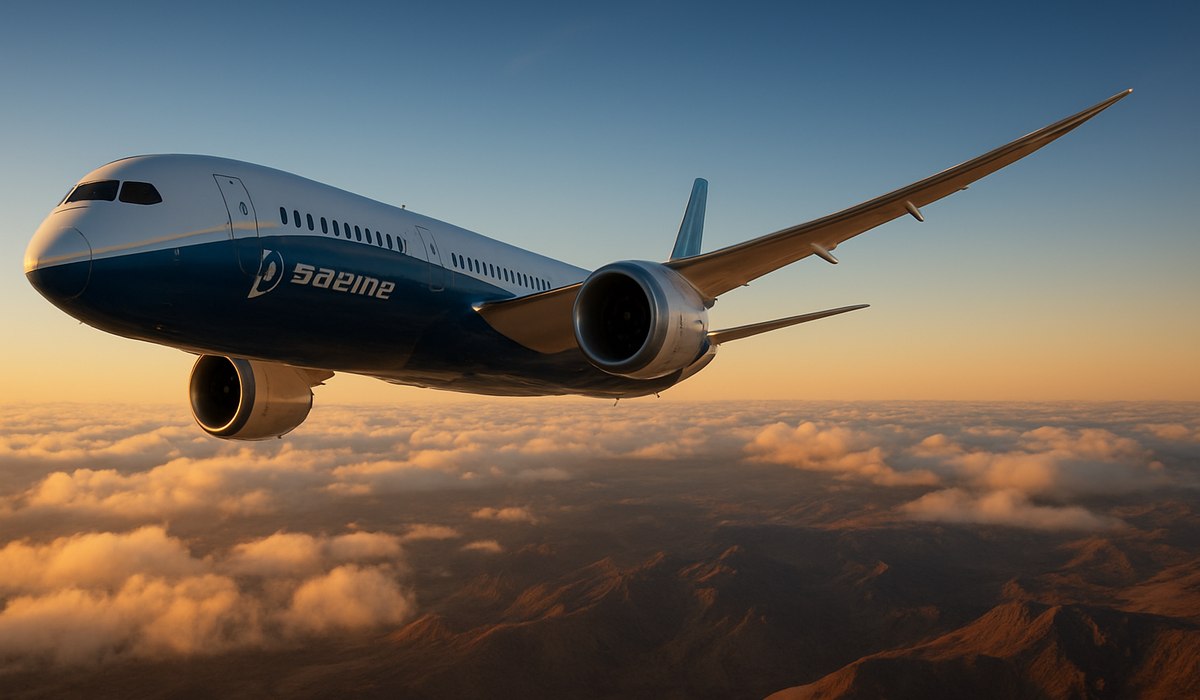
Image generated by AI
How Boeing Aircraft Changed Commercial Aviation Forever
Six transformative Boeing models revolutionized how travelers connect globally. From the nimble 247 to today's fuel-efficient 787 Dreamliner, these aircraft fundamentally altered commercial aviation's trajectory across nine decades. Each breakthrough design expanded passenger capacity, extended flight range, and dramatically reduced per-seat operating costs. The cumulative impact reshaped airline fleet strategies, opened transcontinental and transpacific routes, and made international travel accessible to millions of travelers who previously could not afford air transportation.
The Game-Changing Innovations: From 247 to 787
The Boeing 247, introduced in 1933, pioneered all-metal construction and retractable landing gear—cutting flight times in half compared to fabric-covered biplanes. This ten-seat aircraft established the template for modern airliner design and demonstrated that speed and safety could coexist in commercial service.
The Boeing 707, launched in 1958, ushered in the jet age and made transatlantic service the norm rather than luxury exception. With four turbofan engines and speeds approaching 500 mph, the 707 cut New York-to-London flight time from 15 hours to under seven hours, fundamentally reshaping business travel patterns.
The Boeing 747, debuted in 1969, introduced the "jumbo jet" concept with double-deck capacity for 400+ passengers. This aircraft enabled affordable mass-market intercontinental travel by spreading fixed costs across hundreds of seats. Airlines could finally operate profitable transpacific routes without premium pricing.
The Boeing 737, which first flew in 1967, became aviation's workhorse—connecting regional cities and secondary markets that larger jets couldn't serve economically. Its flexibility spawned over 12,000 deliveries worldwide.
The Boeing 777, introduced in 1995, married twin-engine efficiency with widebody cabin comfort, enabling point-to-point service between mid-sized cities internationally. This aircraft expanded viable route networks for major carriers.
The Boeing 787 Dreamliner, certified in 2013, leveraged composite materials and advanced avionics to achieve 20% better fuel efficiency than comparable widebodies—directly reducing ticket prices on long-haul routes while improving passenger comfort through higher cabin pressure and humidity.
How Boeing Aircraft Reshaped Global Routes and Economics
Boeing's successive innovations created direct network effects across the global aviation system. When the 747 entered service, carriers like Pan American and Japan Airlines immediately launched new transcontinental and transpacific routes previously considered too expensive to operate reliably.
The 737's availability as a true regional jet meant airlines could serve secondary markets—tier-two cities like Nashville, Austin, and Calgary—with profitable scheduled service. This democratization of air access transformed destination accessibility for leisure travelers and business professionals.
The 777 and 787 fundamentally altered route economics by reducing fuel burn per available seat mile (ASMS). Modern Boeing aircraft changed airline margin structures on long-haul routes. Carriers operating efficient twin-engine widebodies on 15+ hour flights achieved profitability impossible with older 747 fleets, while simultaneously offering competitive fares that attracted price-sensitive travelers.
Route planning evolved directly in response to aircraft capabilities. The 707 made direct transatlantic service viable. The 747 made transpacific service profitable. The 777 enabled point-to-point service between secondary cities separated by 7,000+ nautical miles—connecting places like Dallas to Tokyo without connecting through major hubs.
For travelers, these developments translated to choice. The same city pair might now have multiple daily options across carriers, aircraft types, and price points—a competitive landscape impossible before Boeing aircraft changed fleet composition globally.
The Lasting Legacy in Modern Airline Fleets
Today's major carriers—United Airlines, American Airlines, Delta Air Lines, Southwest Airlines, British Airways, Lufthansa, and Asia-Pacific carriers—base their transcontinental and international networks on Boeing platform families. The 737 remains in continuous production since 1967, with over 11,000 aircraft delivered. The 777 family accounts for thousands of widebody operations globally.
The 747, though nearing retirement after 55 years of service, still operates select ultra-long-haul routes for cargo and premium passenger service. Maintenance networks, pilot training infrastructure, and spare parts ecosystems built around Boeing aircraft represent billions in industry investment—anchoring these platforms in global aviation for decades.
Modern airline hub-and-spoke networks, point-to-point regional services, and thin-route profitability calculations all trace to capabilities first introduced by specific Boeing aircraft changed design generations. A regional airline in the American Midwest can operate the 737 MAX on 2,000-mile routes because market economics validated by decades of 737 deployments support that business model.
Visit FlightAware to track active Boeing aircraft in service worldwide and observe these fleet dynamics in real-time.
The Future of Long-Haul Travel
Boeing's pipeline includes enhanced 777X variants and potential new-generation widebodies designed for even greater efficiency. Airlines are retiring aging 777-200 variants and replacing them with 787s or new 777-300ER models to reduce operating costs further.
This transition directly benefits travelers through three mechanisms: lower ticket prices as unit economics improve, expanded route networks as previously unprofitable city pairs become viable, and enhanced cabin products as carriers reinvest margin improvements into passenger experience upgrades.
The sustainability imperative also drives fleet modernization. Each Boeing aircraft changed generation typically achieves 15-20% efficiency gains over predecessors. A carrier retiring 747s in favor of 787s reduces fuel consumption and emissions per passenger by approximately 20-30%—meeting climate commitments while improving profitability.
For frequent travelers, this means watching older widebodies retire from premium routes in favor of newer, more comfortable Dreamliner cabins with improved humidity control and lower cabin pressure—reducing jet lag on long-haul flights.
| Aircraft Model | Introduced | Capacity Range | Typical Range (nm) | Key Innovation |
|---|---|---|---|---|
| Boeing 247 | 1933 | 10 passengers | 1,200 | All-metal construction |
| Boeing 707 | 1958 | 140-180 | 3,750 | Turbofan jet engines |
| Boeing 747 | 1969 | 400-600 | 7,500+ | Double-deck widebody |
| Boeing 737 | 1967 | 120-220 | 3,500+ | Regional jet efficiency |
| Boeing 777 | 1995 | 300-400 | 8,000+ | Twin-engine widebody |
| Boeing 787 | 2013 | 240-330 | 7,650+ | Composite fuselage, 20% efficiency gain |
What This Means for Travelers
Understanding how Boeing aircraft changed global aviation directly impacts your travel planning and cost management. Here's an actionable framework:
-
Check aircraft type before booking. Modern 787 Dreamliners and 777-300ER aircraft offer superior comfort and typically lower fares than older 747 or 777-200 variants. Flight search engines let you filter by aircraft model—prioritize newer platforms for long-haul travel.
-
Monitor route capacity shifts. When airlines introduce newer, larger aircraft on specific routes, fares typically decline within 6-12 months as supply increases. Set price alerts on routes receiving fleet modernization announcements.
-
Understand connectivity options. The 737's global deployment makes point-to-point regional service affordable. You may have alternatives to traditional hub connections, reducing total travel time on shorter international routes (under 2,500 miles).
-
**Plan premium cabin upgrades strateg
Disclaimer
This article is for informational and educational purposes only. It does not constitute legal, financial, or professional advice. While we strive to provide accurate and up-to-date information, travel policies, regulations, and conditions change rapidly. Always verify information with official sources before making travel decisions. Nomad Lawyer makes no representations about the accuracy, reliability, completeness, or suitability of the information provided. Readers should consult qualified professionals for advice specific to their circumstances. The views expressed in this article are those of the author and do not necessarily reflect the views of Nomad Lawyer.
Preeti Gunjan
Contributor & Community Manager
A passionate traveller and community builder. Preeti helps grow the Nomad Lawyer community, fostering engagement and bringing the reader experience to life.
Learn more about our team →