
Essential Safety Tips for Solo Female Travelers Abroad in 2026
The UK's FCDO has released refreshed travel safety guidance for solo female travelers in 2026, addressing gender-specific risks and emergency protocols. Learn how to prepare confidently for independent travel abroad.

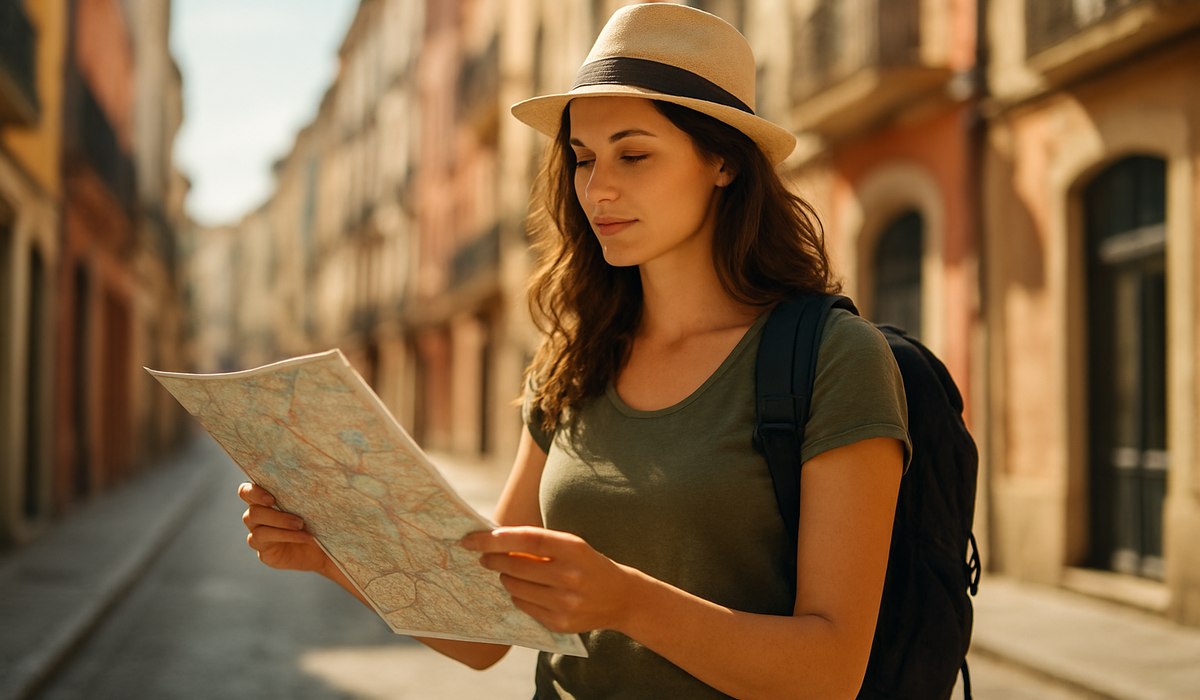
Image generated by AI
Updated FCDO Guidance Empowers Solo Female Travelers with Essential Safety Tips
The UK's Foreign, Commonwealth and Development Office (FCDO) has released newly refreshed travel safety guidance designed specifically for solo female travelers venturing abroad in 2026. This comprehensive update addresses gender-specific security challenges, cultural navigation strategies, and emergency response protocols. The revised advisories come as increasing numbers of women pursue independent travel, highlighting the need for targeted, practical essential safety tips that go beyond generic travel warnings. The FCDO's country-specific recommendations now emphasize how gender can influence traveler perception and safety experiences in different destinations. Experts from travel safety organizations working alongside British nationals confirm that pre-departure preparation using these updated resources significantly improves confidence and reduces preventable risks.
Understanding the FCDO's Role in Travel Safety
The FCDO maintains one of the world's most comprehensive destination-specific travel advisory databases, publishing real-time security assessments, legal frameworks, and cultural guidance for every country. These resources serve as the foundational reference for solo female travelers planning international journeys. Each country profile includes dedicated sections covering crime patterns, local customs, dress expectations, and gender-specific considerations that may affect women travelers differently than their male counterparts.
The FCDO's updated guidance explicitly recognizes that women may encounter distinct obstacles abroad. These range from stricter public dress codes to different social interaction norms and varying legal protections. By reviewing destination-specific pages before booking, solo travelers can identify potential challenges and adjust their itineraries accordingly. The department's consular support network also provides emergency assistance for British nationals experiencing serious incidents, including assault or crime-related trauma.
For comprehensive destination research, visit the FCDO travel advice portal to access country-specific assessments. Pairing official guidance with peer reviews from women travelers creates a more complete safety picture.
Gender-Specific Risks: What Solo Female Travelers Should Know
Solo female travelers face distinct safety considerations that differ from mixed-gender or group travel scenarios. The FCDO's essential safety tips highlight that women may be perceived differently in conservative regions, potentially attracting unwanted attention or encountering stricter behavior expectations. Understanding these gender-specific risks enables travelers to make informed decisions about destination selection and personal safety protocols.
Harassment, theft targeting visible valuables, and social isolation represent common challenges documented by travel safety organizations. Cultural misunderstandings around acceptable public behavior—such as direct eye contact, conversations with strangers, or solo dining—can escalate uncomfortable situations. Additionally, some destinations impose legal restrictions on women's clothing, movement, or social interaction that require advance knowledge.
Travel safety experts recommend consulting recent reports from peer networks and women-focused travel communities, which often highlight neighborhood-level safety details missing from official advisories. Organizations like the Safer Tourism Foundation provide gender-conscious travel preparation resources. Checking local news outlets and social media from your destination helps identify emerging safety concerns before departure.
Planning Ahead: Research, Routes and Risk Assessment
Effective pre-departure planning forms the foundation of confident solo female travel. Essential safety tips begin with exhaustive destination research, including official travel advisories, recent crime statistics, and first-hand accounts from female travelers who have visited the same regions. This multi-layered approach identifies both macro-level safety concerns and micro-level neighborhood risks.
Risk assessment specialists recommend mapping your complete itinerary before departure, including accommodation addresses, transport routes, arrival times, and emergency contact numbers. Solo female travelers benefit from advance hotel bookings for the first night, eliminating the stress of finding accommodation in unfamiliar locations during late-night arrivals. Pre-arranging reliable airport transfers through established taxi services or verified apps reduces vulnerability during the critical arrival window.
Route planning should prioritize well-lit, populated streets and avoid isolated areas after dark. Daytime travel for long-distance journeys provides better visibility and faster response times if complications arise. Establishing a communication protocol with trusted contacts at home—including specific check-in times and itinerary details—creates an accountability system that enhances overall safety without restricting independence.
Travel insurance represents another critical planning element. Comprehensive policies should cover medical emergencies, personal belongings, trip disruption, and evacuation. Carefully review policy terms regarding high-risk activities, alcohol-related incidents, and travel to regions with active FCDO advisory restrictions to ensure continuous coverage throughout your journey.
Emergency Preparedness and Consular Support
Understanding how to access emergency assistance before incidents occur fundamentally changes crisis response outcomes. The FCDO operates 24/7 consular support services for British nationals experiencing serious emergencies abroad, including assault, serious illness, death, or arrest. Solo female travelers should save consular contact information for their destination country and keep these details accessible both digitally and on paper.
Essential safety tips for emergency situations include knowing the local emergency number, identifying the nearest British embassy or consulate location, and maintaining contact information for your travel insurance provider and trusted family members. The FCDO provides specific guidance on reporting crimes, seeking medical assistance, and navigating local legal systems when serious incidents occur.
Developing a personal safety plan before departure includes identifying safe spaces (hotels, reputable restaurants, government offices), trusted resources for assistance, and communication methods that function in your destination. Many solo female travelers benefit from downloading offline maps, establishing digital backup communication channels, and registering with the FCDO's Overseas Security and Protection Team for destination-specific security alerts.
Cultural Adaptation and Practical Safety Strategies
Successfully navigating different cultural contexts significantly enhances solo female travel safety. FCDO guidance emphasizes learning local expectations around clothing, physical contact, and public behavior before arrival. Observable cultural norms—such as how local women dress, interact in public spaces, and use transportation—provide valuable real-world guidance that formal advisories sometimes miss.
Conservative regions or those with religious cultural dominance often require more modest clothing choices for women. Selecting longer skirts, covered shoulders, and less form-fitting garments helps avoid unwanted attention and demonstrates cultural respect. Similarly, understanding local perspectives on direct eye contact, solo dining, or interactions with unfamiliar men prevents unintentional social violations.
Essential safety tips for public spaces include maintaining situational awareness, trusting instinctive discomfort signals, and disengaging from interactions that feel unsafe. Minimizing visible valuables through smaller bags and concealed money reduces theft targeting. Blending in through appropriate dress and observed behavior norms attracts less attention than conspicuous tourist appearance, particularly in areas with economic disparities or high crime rates.
Key Data Table: Solo Female Travel Safety Considerations by Risk Category
| Safety Category | FCDO Recommendation | Implementation Example | Estimated Risk Reduction |
|---|---|---|---|
| Pre-Departure Research | Review destination advisories & crime statistics | Consult FCDO website + peer traveler forums | 35-40% |
| Accommodation Planning | Book first night in advance; verify reviews | Use established hotel chains with 24-hour reception | 45-50% |
| Transportation Safety | Pre-arrange airport transfers; avoid late arrivals | Book verified taxi services or ride-sharing apps | 40-45% |
| Emergency Preparedness | Save consular contacts & insurance details | Keep digital + paper copies in separate locations | 50-55% |
| Cultural Adaptation | Research dress codes & social norms | Observe local women's behavior; pack modest clothing | 30-35% |
| Communication Protocol | Establish regular check-in with trusted contacts | Share daily itinerary; confirm safe arrival messages | 25-30% |
| Insurance Coverage | Obtain comprehensive travel medical insurance | Verify coverage for destination; understand exclusions | 45-50% |
| Situational Awareness | Stay alert to surroundings; trust instincts | Avoid isolated areas after dark; maintain visible phone | 35-40% |
What This Means for Solo Female Travelers
The FCDO's updated essential safety tips represent a significant
Disclaimer
This article is for informational and educational purposes only. It does not constitute legal, financial, or professional advice. While we strive to provide accurate and up-to-date information, travel policies, regulations, and conditions change rapidly. Always verify information with official sources before making travel decisions. Nomad Lawyer makes no representations about the accuracy, reliability, completeness, or suitability of the information provided. Readers should consult qualified professionals for advice specific to their circumstances. The views expressed in this article are those of the author and do not necessarily reflect the views of Nomad Lawyer.
Kunal K Choudhary
Co-Founder & Contributor
A passionate traveller and tech enthusiast. Kunal contributes to the vision and growth of Nomad Lawyer, bringing fresh perspectives and driving the community forward.
Learn more about our team →