
FAA Ground Stops Hit Boston Logan International Airport in 2026 as JetBlue Faces Systemic Outages
Boston Logan International Airport leads U.S. flight cancellations in July 2026 following consecutive FAA ground stops and severe JetBlue scheduling failures.

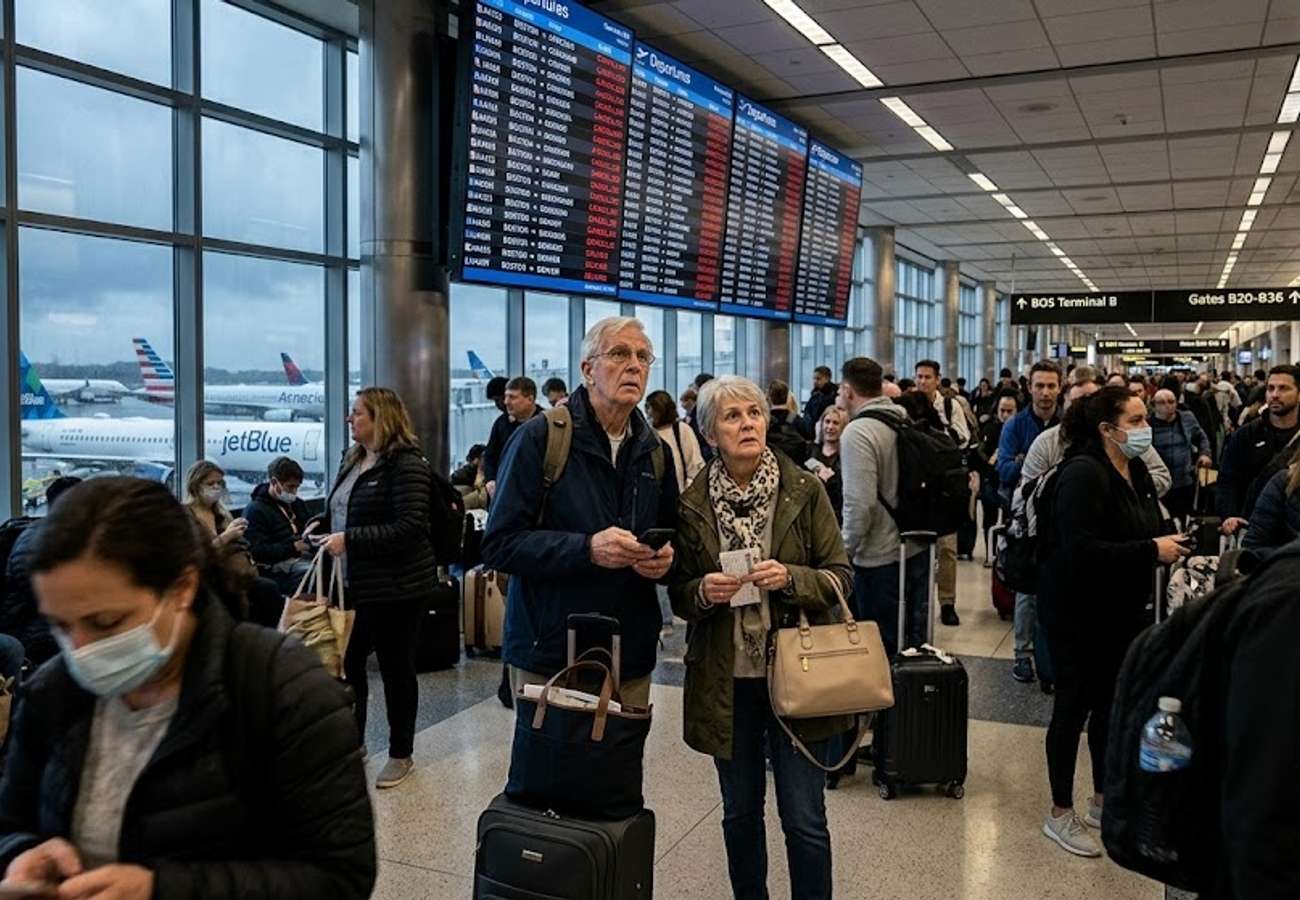
Image generated by AI
10 East Coast airports faced immediate flight halts on Tuesday, marking the start of a chaotic week for New England travelers. For those transiting through Boston Logan International Airport (BOS), the disruption evolved from weather-related delays into a full-scale operational meltdown.
The Local Trend Revealed: A Perfect Storm of Weather and System Failure
The recent volatility at Boston Logan International Airport is not merely a result of the heavy rain and thunderstorms that gripped the region on Wednesday. While the Federal Aviation Administration (FAA) issued ground stops due to weather—causing average departure delays of 45 minutes—a deeper, systemic failure within JetBlue’s infrastructure exacerbated the crisis.
Data from FlightAware indicates that by July 22, BOS held the second-highest number of cancellations worldwide. This trend peaked on July 23, when Boston Logan officially recorded the most cancelled departures of any airport in the United States.
The frustration among travelers has shifted from patience to a total loss of confidence. Passengers have reported a lack of communication and a perceived "industry shoddiness," with some frequent flyers stating they would rather navigate the aging infrastructure of Terminal B than fly with the hub's primary carrier.
Operational Breakdown: The Data
The scale of the disruption is evident in the numbers. Over a four-day window, the airport struggled to maintain a consistent flight schedule:
Boston Logan International Airport Performance (July 19–22)
| Date | Delays | Cancellations |
|---|---|---|
| July 19 | 453 | 139 |
| July 20 | 468 | 52 |
| July 21 | 449 | 336 |
| July 22 | 479 | 109 |
By July 23, the leadership in cancellations became clear across the domestic landscape:
U.S. Airports with Most Departure Cancellations (July 23)
| Rank | Airport | Cancellations |
|---|---|---|
| 1 | Boston Logan International Airport | 10 |
| 2 | Chicago O'Hare International Airport | 5 |
| 3 | Newark Liberty International Airport | 5 |
| 4 | Reagan National Airport | 4 |
| 5 | Cleveland Hopkins International Airport | 4 |
Cultural & Environmental Value: The Human Cost of Gridlock
For the visitor, the real impact is the breakdown of the "traveler-airline" social contract. When a ground stop occurs, the expectation is a coordinated pivot to safety and efficiency. However, the current situation at BOS reveals a fragility in the regional aviation ecosystem.
Captain Wayne Scales, chairman of the JetBlue Master Executive Council, highlighted that the crisis extended far beyond rain. Ongoing outages in the company’s scheduling system left crews stranded and unreachable, meaning that even when the weather cleared, there were no pilots to fly the planes. This lack of coordination directly impacts the local economy, as stranded passengers flood local hotels and transit services, often without adequate support from the carriers.
To mitigate the damage, JetBlue, Delta Air Lines, United Airlines, and American Airlines have implemented flexible rebooking policies, waiving change fees for those affected.
Visitor Insider Tips: Navigating Boston Logan During Chaos
For those currently booked or planning a trip through BOS, avoid the standard pitfalls with these local insights:
- Terminal Strategy: If you are avoiding specific carriers, be prepared for the "ancient" layout of Terminal B. Allow an extra 30 minutes for transit between terminals if you are switching airlines to avoid a delay.
- Real-Time Monitoring: Do not rely solely on airline app notifications. Monitor the FAA’s official National Airspace System (NAS) status for ground stops to anticipate delays before they are announced at the gate.
- Dining Alternatives: During major delays, airport food courts like those in Terminal C become overwhelmed. If you have a long layover, utilize the Silver Line transit to head into the city for a meal and return via the airport's rapid transit.
- Rebooking Window: The most effective time to rebook during a "meltdown" is often via the airline's social media DM channels or the app, rather than waiting in the physical line at the customer service desk.
Tourism Outlook
The long-term impact for Boston as a gateway hub depends on the recovery of its primary carrier's technical infrastructure. While the FAA manages the airspace, the "last mile" of the passenger experience—scheduling and crew management—is where the trust is being lost. If systemic outages continue, we may see a permanent shift in passenger preference toward alternative hubs or a stronger demand for modernized terminal facilities to handle the stress of weather-induced ground stops.
Travelers are advised to maintain flexible itineraries and verify flight status 24 hours prior to departure.
Related Travel Guides
Disclaimer
This article is for informational and educational purposes only. It does not constitute legal, financial, or professional advice. While we strive to provide accurate and up-to-date information, travel policies, regulations, and conditions change rapidly. Always verify information with official sources before making travel decisions. Nomad Lawyer makes no representations about the accuracy, reliability, completeness, or suitability of the information provided. Readers should consult qualified professionals for advice specific to their circumstances. The views expressed in this article are those of the author and do not necessarily reflect the views of Nomad Lawyer.
Preeti Gunjan
Contributor & Community Manager
A passionate traveller and community builder. Preeti helps grow the Nomad Lawyer community, fostering engagement and bringing the reader experience to life.
Learn more about our team →