
Extreme Heat Dome Threatens US Fourth of July 2026: 250M Americans Face Travel Disruption and Power Outages
A massive heat dome is forecast to affect nearly 250 million Americans during Fourth of July week 2026, threatening holiday travel, outdoor events, power grids, and major celebrations across 30+ states.

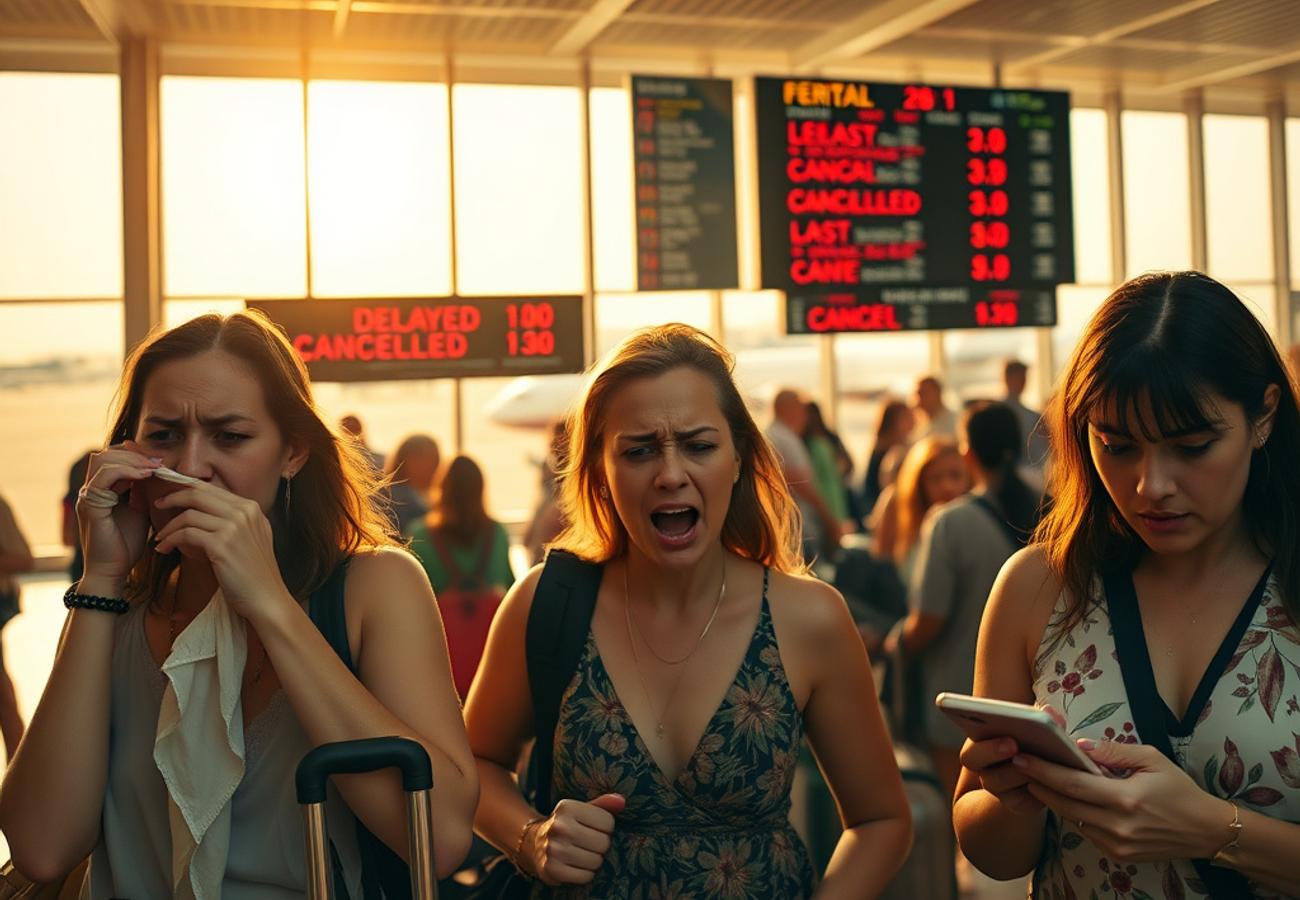
Image generated by AI
A Dangerous Heat Dome Bears Down on America's Biggest Holiday Weekend
A sprawling heat dome is about to grip nearly 250 million Americans across the central and eastern United States just days before Independence Day—and the timing couldn't be worse. As millions of travellers prepare to hit the roads, fly across the country, and gather for outdoor celebrations, meteorologists are issuing urgent warnings about what could become one of the most dangerous heatwaves of 2026.
The consequences are stark: delayed flights, overwhelmed power grids, cancelled outdoor events, and serious health risks for both residents and tourists. What should have been a carefree holiday week is shaping up to be a survival scenario for much of the nation.
Which States Face the Most Dangerous Conditions?
The heat dome is expected to stretch across nearly three dozen states—from the Great Plains through the Midwest, Mid-Atlantic, Southeast, and into the Northeast. North Dakota, Nebraska, Oklahoma, and Minnesota are already keeping pace with the stifling conditions, but the real pressure will hit densely populated urban centres.
New York City could experience one of its worst heatwaves in decades, with temperatures potentially reaching 100°F in Central Park for the first time in more than ten years. Philadelphia, Chicago, and countless eastern cities are bracing for consecutive days of exceptional heat. Overnight temperatures are forecast to remain above 80°F in many locations, preventing any meaningful cool-down after sunset.
Daytime highs are expected to range between 90°F and 105°F across vast stretches of the country, but the real danger lies in the humidity. Heat indices—the so-called "RealFeel" temperature—could exceed 110°F in several major metropolitan areas during peak afternoon hours.
Reddit: "Just checked the forecast for DC next week. 104°F heat index with 70% humidity. I'm staying inside with the AC and ordering groceries online." — r/travel
Fourth of July Celebrations Under Threat
The timing is catastrophic. Independence Day is one of the busiest travel weeks of the year, with millions heading to parades, fireworks displays, festivals, outdoor concerts, and tourist attractions. Major summer events like the Great American State Fair, MLB All-Star Week, Picklesburgh Festival, and the FIFA World Cup 2026 Knockout Stage are all scheduled during this window.
Public health officials are now warning visitors to take extreme precautions. Stay hydrated. Wear lightweight clothing. Seek shade. Avoid strenuous outdoor activities during afternoon peak hours. For many, the practical reality is simple: outdoor celebrations may need to be relocated indoors or postponed entirely.
Airlines, hotel chains, and tourism boards are already receiving cancellation requests as families reconsider holiday plans. Highway travel is expected to be treacherous as vehicles overheat and emergency services become overwhelmed.
The Power Grid Could Fail
Here's where the situation becomes truly critical: the sustained heat will trigger unprecedented electricity demand as millions rely on air conditioning to stay alive.
Utility companies across the Mid-Atlantic and neighbouring regions are preparing for near-record energy consumption. If demand exceeds available supply during peak hours, power providers may need to implement emergency measures—including rolling blackouts—to maintain grid stability.
A power outage during a prolonged heat event is potentially catastrophic. Vulnerable populations—elderly residents, infants, outdoor workers, construction crews, and individuals with cardiovascular or respiratory illnesses—face the greatest danger of heat exhaustion and heatstroke.
According to recent data from the CDC, heat-related deaths spike dramatically during extended heatwaves, particularly when power failures prevent air conditioning use.
Why This Heat Dome is Different
Meteorologists describe this as a classic high-pressure system—a phenomenon where a strong atmospheric ridge traps hot air near Earth's surface and prevents cooler air from moving in. The stagnant air mass remains firmly in place, building temperatures day after day while humidity levels increase the physiological stress on the human body.
This isn't just a hot spell. It's a dangerous atmospheric pattern that creates what the National Weather Service calls "dangerous heat conditions with potential for heat-related illnesses."
Urban Heat Island Effect Makes Cities Even More Unbearable
City dwellers face an additional problem: the urban heat island effect. Concrete, asphalt, and brick absorb massive amounts of solar energy during the day and slowly release it at night. This prevents cities from cooling effectively and extends dangerous conditions well into the evening—precisely when people should be escaping the heat.
New York City's dense urban environment could see temperatures staying dangerously elevated around the clock. The combination of ambient heat, reflected heat from buildings, and lack of nighttime relief creates a perfect storm for heat-related emergencies.
When Will Relief Arrive?
Meteorologists expect gradual changes beginning late in the holiday weekend as the jet stream shifts southward. The heat dome should weaken from northern areas first, allowing somewhat cooler air to filter into the Midwest and Northeast. However, southern regions may experience relief much later—or not at all.
The changing atmospheric pattern may also trigger stronger thunderstorms around the edge of the retreating system, bringing additional travel hazards like flooding and lightning strikes.
What Travellers Should Do Right Now
If you're planning Fourth of July travel, act immediately. Check airline policies on heat-related delays and cancellations. Confirm hotel accommodations have backup power or alternative cooling. Plan indoor activities and attractions. Download emergency contact information for local health services.
For outdoor activities, the CDC recommends limiting time in direct sunlight between 10 a.m. and 4 p.m., staying hydrated with water (not alcohol), and checking on vulnerable family members and neighbours regularly.
Consider postponing discretionary travel if possible. The roads and airports will be nightmare scenarios, and the health risks are genuinely serious.
The 250th Independence Day might be remembered not for fireworks, but for the summer travellers learned to respect the power of a heat dome.
Related Travel Guides
Disclaimer
This article is for informational and educational purposes only. It does not constitute legal, financial, or professional advice. While we strive to provide accurate and up-to-date information, travel policies, regulations, and conditions change rapidly. Always verify information with official sources before making travel decisions. Nomad Lawyer makes no representations about the accuracy, reliability, completeness, or suitability of the information provided. Readers should consult qualified professionals for advice specific to their circumstances. The views expressed in this article are those of the author and do not necessarily reflect the views of Nomad Lawyer.
Raushan Kumar
Founder & Lead Developer
Full-stack developer with 11+ years of experience and a passionate traveller. Raushan built Nomad Lawyer from the ground up with a vision to create the best travel and law experience on the web.
Learn more about our team →