
US Weather Chaos: Heat Dome Scorches East While Montana and Idaho Brace for Rare July Mountain Snow
A historic weather split threatens July holiday travel across America. Extreme heat grips 30 states while mountain snow hits Montana and Idaho simultaneously.

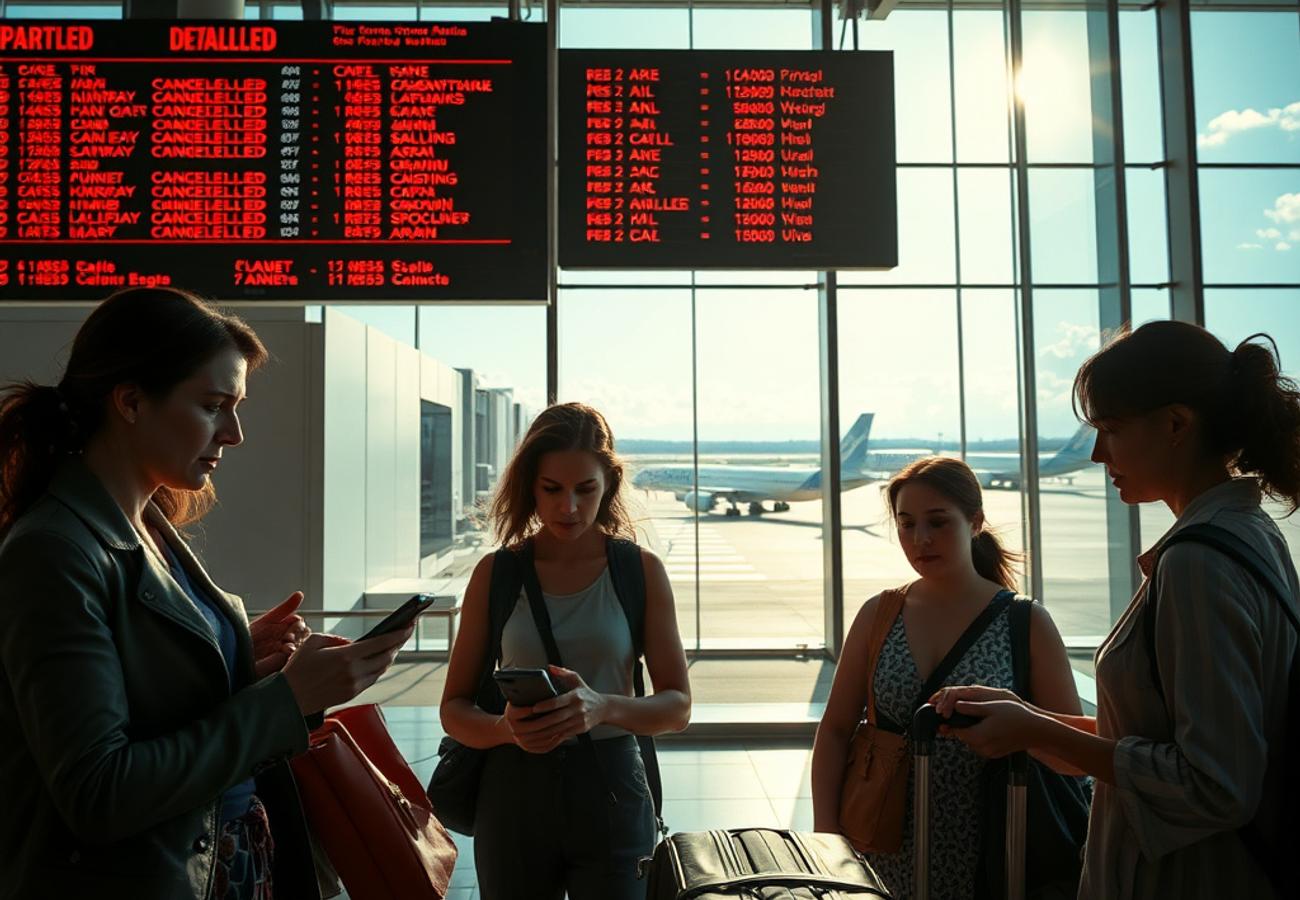
Image generated by AI
A Nation Split: The Weather Divide Reshaping July Travel
America faces an unprecedented weather paradox just as millions hit the roads for Independence Day celebrations. While sweltering heat engulfs the Midwest, Southeast, and Northeast, the Rocky Mountains are bracing for rare summer snowfall. This isn't a typical hot July. This is a meteorological fork in the road—two opposing weather systems colliding across the continental United States, each demanding completely different travel strategies.
I've covered extreme weather disruptions for years, but this dual hazard presents a unique challenge for travellers. The timing couldn't be worse. Peak holiday movement begins precisely when the Heat Dome intensifies across thirty states while winter storm warnings hit high-elevation passes in Montana and Idaho.
Reddit: "Checking the weather before my road trip from Ohio to Glacier National Park and I'm genuinely confused. Do I pack shorts or a winter coat?" — r/travel
The Heat Dome Engulfs Eastern America
The Heat Dome is not a metaphor. A stalled high-pressure system has anchored itself over the central and eastern United States, trapping hot air like a lid on a pressure cooker.
The numbers are alarming. Forecasters expect widespread highs between 95°F and 102°F, with heat index values potentially exceeding 105°F in major metropolitan areas. Some regions could approach 110°F during peak afternoon hours. The Midwest, Southeast, Mid-Atlantic, and parts of the Northeast face the strongest impact.
Cities directly in the crosshairs include Washington, D.C., Cincinnati, Raleigh, and sprawling urban corridors across Ohio and North Carolina. But here's the critical detail: nighttime temperatures remain dangerously elevated, preventing the natural recovery period that residents and travellers desperately need.
This isn't just uncomfortable—it's a genuine public health hazard for holiday travellers unfamiliar with extreme heat exposure.
Snow at 8,000 Feet: Montana and Idaho's Summer Shock
While the East bakes, the National Weather Service issued explicit winter storm warnings for southwest Montana and central Idaho. Yes, you read that correctly. Winter warnings. In late June.
High-elevation zones near Wisdom, Big Hole Pass, and surrounding terrain are expected to receive wet snow accumulation. Lemhi County in Idaho faces similar alerts. Higher elevations could see several inches of heavy, wet snow that creates treacherous driving conditions and branch-loading hazards.
This scenario creates a cascading travel problem: visitors planning scenic mountain drives encounter sudden seasonal conditions. A warm valley departure transforms into a cold, slippery mountain crossing within minutes. Road visibility drops sharply. Branches snap under snow load. Unprepared drivers face genuine danger.
The Jet Stream Culprit: Understanding the Atmospheric Anomaly
The culprit behind this split-personality weather pattern is a blocked jet stream. This atmospheric configuration has created two opposing climate zones simultaneously.
A shifted jet stream allows cooler air to plunge into western mountain regions while simultaneously trapping hot air over the eastern states. Meteorologists describe this as a "stalled pattern"—the normal mixing of air masses that typically regulates temperatures has essentially paused.
According to the National Weather Service, this type of blocking pattern can persist for extended periods, making it nearly impossible for conventional weather systems to move through and redistribute temperatures naturally. The result? Extreme contrast, extreme duration, extreme risk.
Regional Travel Risk Assessment
Not all regions face equal danger during this weather window. A targeted risk analysis helps travellers plan accordingly:
Highest Heat Risk Zones: Washington D.C. metro area, Cincinnati, Louisville, Memphis, Nashville, Atlanta, Raleigh, and Charlotte experience dangerous heat stress conditions. Outdoor activities become genuinely risky during daylight hours.
Mountain Snow Zones: Southwest Montana mountain passes, central Idaho high terrain, and Lemhi County routes require advance weather checks and possible route modifications.
Moderate Heat Zones: Chicago, St. Louis, Indianapolis, and Great Lakes regions experience elevated heat and potential afternoon thunderstorms—a different but still significant hazard.
Northeast Heat Transition: Boston, Philadelphia, and New York see rising temperatures but less extreme conditions than interior regions. However, humidity amplifies the discomfort factor significantly.
Critical Travel Safety Protocol During Heat Dome Conditions
Preparation separates safe journeys from dangerous ones during extreme heat events.
Before Departure: Check the National Weather Service daily. Review your specific route corridor, not just your destination. Confirm that your vehicle's air conditioning functions properly. Book accommodations with verified cooling capacity.
During Travel: Start early—6 AM departures mean you're driving through peak heat. Avoid outdoor sightseeing between noon and 5 PM. Carry at least two liters of water per person, plus electrolyte replacement drinks. Use shaded routes when available. Plan indoor stops (museums, malls, restaurants) as mandatory breaks, not optional bonuses.
Special Considerations for Vulnerable Populations: Children and elderly travellers require heightened protection. Plan frequent hydration breaks. Monitor for heat exhaustion symptoms—dizziness, nausea, rapid heartbeat, confusion. Don't assume sunscreen replaces actual shade.
Navigation Strategy: Use mapping apps that offer route variations. Some roads have better shade coverage. Commercial corridors provide cooling opportunities. Back roads expose you to sun for extended periods.
How the Travel Industry Is Responding
Airlines are adjusting ground operations. Aircraft turnaround times may slow at major hubs because ground crews need extended heat breaks and equipment cooling periods. Expect potential minor delays in Atlanta, Dallas, Nashville, and other southern hubs.
Hotels report surging demand for rooms with premium air conditioning and pool access. Book now if you're travelling to heat zones—availability is tightening.
National parks are modifying ranger programs. The National Park Service has issued advisories recommending early morning or late evening hiking on exposed trails. Some high-altitude routes may see temporary closures due to snow conditions in western parks.
Indoor attractions—museums, aquariums, shopping districts—are experiencing capacity pressure. Plan visits carefully or expect longer queues.
Mountain Travel: Snow-Specific Guidance
If your Independence Day plans include Glacier National Park, Yellowstone, or Idaho scenic drives, take these precautions:
Check elevation-specific forecasts for your intended route. High passes require different preparation than valley driving. Carry tire chains even in summer if you're crossing 7,000-plus-foot passes. Stock emergency supplies—blankets, first aid, extra water, non-perishable food.
Weather can shift within hours in mountain zones. A morning departure in clear conditions doesn't guarantee afternoon passage. Build flexible timing into your schedule.
The Outlook: Planning Your July Holiday Travel
The Heat Dome isn't a one-day event. Meteorologists project this pattern persisting through the first two weeks of July—precisely the peak holiday travel window.
Mountain snow may persist longer than expected due to wet conditions creating heavy snowpack. Some high-elevation passes could remain problematic through July 5th.
The practical reality: Eastern travellers need to rethink outdoor activity schedules. Western mountain travellers need backup route plans. Flexibility becomes your most valuable asset.
This isn't the July weather your parents experienced. Plan accordingly, stay informed, and prioritize safety over scenery schedules. The holiday will still happen—it just might require more strategy than previous years.
Check regional forecasts before every journey segment—conditions shift faster than you expect.
Related Travel Guides
Disclaimer
This article is for informational and educational purposes only. It does not constitute legal, financial, or professional advice. While we strive to provide accurate and up-to-date information, travel policies, regulations, and conditions change rapidly. Always verify information with official sources before making travel decisions. Nomad Lawyer makes no representations about the accuracy, reliability, completeness, or suitability of the information provided. Readers should consult qualified professionals for advice specific to their circumstances. The views expressed in this article are those of the author and do not necessarily reflect the views of Nomad Lawyer.
Kunal K Choudhary
Co-Founder & Contributor
A passionate traveller and tech enthusiast. Kunal contributes to the vision and growth of Nomad Lawyer, bringing fresh perspectives and driving the community forward.
Learn more about our team →