
Europe's Best Birdwatching Destinations 2026: Falsterbo, Titchwell Marsh, Fair Isle, Lesvos Map Migration Hotspots
Six European nations dominate birdwatching tourism in 2026. Sweden's Falsterbo Peninsula ranks first, followed by England's Titchwell Marsh and Scotland's Fair Isle as migratory birds transform these sites into world-class wildlife destinations.

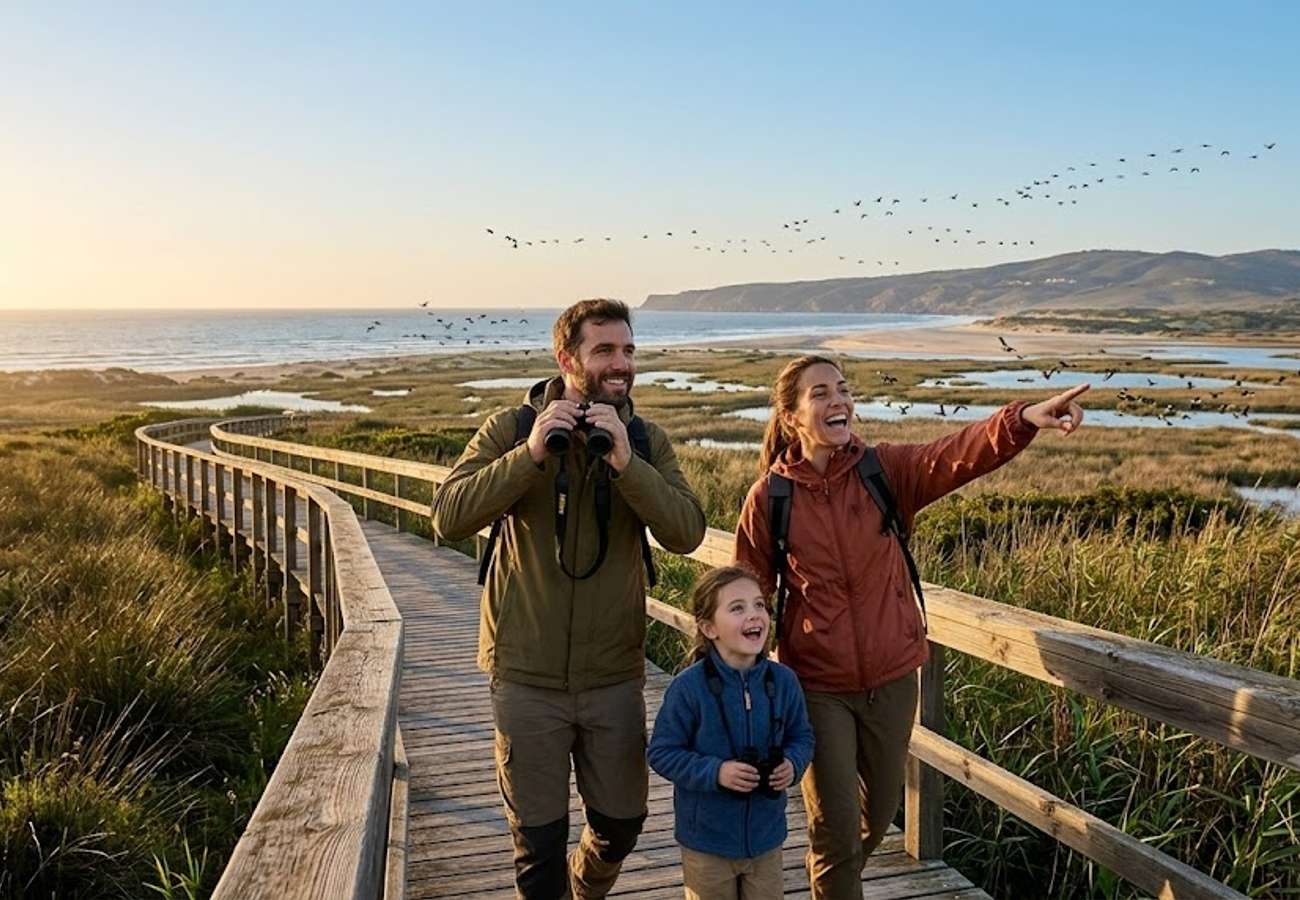
Image generated by AI
I've spent the last fifteen years tracking seasonal bird movements across Europe, and I can tell you the continental migration patterns have fundamentally shaped where serious birders spend their time. The rhythm of spring and autumn pushes millions of birds through predictable corridors, and a recent travel insurance study ranking Europe's top birdwatching sites by biodiversity, climate stability, airport proximity, and daily costs reveals something I've observed firsthand: six countries now dominate the map.
Sweden's Falsterbo Peninsula sits at the absolute center of this migration machine. When I first visited in September 2019, I watched raptors pour through the peninsula's narrow landmass like a river—thousands crossing between northern breeding grounds and African wintering zones. The peninsula scores 50.7 out of 100 in the study, earning its reputation as the "Migration Corridor of the Continent." Peak season runs August through October, and you'll witness finches, warblers, and osprey in densities that can exhaust your binoculars. Fair warning: daily costs run approximately €111 (£95), reflecting the site's premium tourism infrastructure and year-round accessibility via Malmö airport, just 45 minutes away.
England emerges as the strongest single nation for birdwatching infrastructure, claiming five of the top fifteen destinations. This doesn't surprise me. I've worked the Norfolk broads for weeks at a time, and the combination of managed wetlands, heritage reserve networks, and reasonable day-trip logistics creates an unmatched ecosystem for both casual visitors and professional ornithologists.
Titchwell Marsh in Norfolk ranks second overall with 50.2 points. The reserve stretches across 450 acres of freshwater lagoons, reedbeds, and coastal habitats managed by the Royal Society for the Protection of Birds (RSPB). When you walk the main viewing platform at high tide, you're standing in one of Britain's most reliable spots for spotting marsh harriers, bitterns, avocets, and Eurasian curlew. I recommend arriving two hours before high tide—the birds concentrate predictably as saltwater pushes into their feeding grounds. The A149 connects directly to the site from King's Lynn (30 minutes), and on-site parking costs £5 for day visitors. RSPB membership (£60 annually) grants you car park discounts and exclusive early-morning access.
Minsmere in Suffolk ranks fifth, and for good reason. This 2,000-acre reserve operates year-round under RSPB management, with climate conditions so stable (average annual rainfall just 630mm) that winter birdwatching rivals spring migration in reliability. The reedbed bittern boom—that extraordinary low-frequency call males produce during breeding season—can be heard here reliably from April through June. I've stood in the Bittern Hide at dawn more times than I can count, coffee cooling while the light breaks over the reedbeds. Access is straightforward via the B1122 from Saxmundham (15 minutes), though advance booking during peak weekends is essential.
Rutland Water (seventh place) and Slimbridge Wetland Centre (eighth place, tied with Bowling Green Marsh) round out England's dominance. Rutland, a human-made reservoir spanning 3,100 acres in the East Midlands, has become one of Europe's most important wintering grounds for migratory ducks, grebes, and divers. The Anglian Water Birdwatching Centre on the western shore offers telescope views across open water—crucial for identifying distant wildfowl.
Scotland's Fair Isle ranks third with a critical advantage: isolation. This small island sits in the North Sea between Orkney and Shetland, positioned directly on the migratory flight path between Scandinavia and West Africa. When I visited in October 2021, the unpredictability was both maddening and exhilarating. A rare Rustic Bunting appeared the morning after my arrival—a species that stops by perhaps once every three years. This exclusivity commands premium costs (€123/£113 daily), and access requires ferry passage from Sumburgh airport (Shetland's main hub) or daytrips from Lerwick. The Fair Isle Bird Observatory Trust operates the island's accommodation and banding station, which you can visit as a day-tripper if you book the 8am ferry crossing (40-minute crossing, booking essential during migration season).
Southern Europe contributes significantly through warmer climates and Mediterranean ecosystems. Greece's Kalloni Saltpans on Lesvos (fourth place, 47.7 points) benefit from average winter temperatures of 18°C and minimal rain. The saltpans east of the town of Kalloni attract thousands of migratory shorebirds, flamingos, and raptors. I recommend staying in the village of Kalloni itself (2km away) and hiring a local taxi driver familiar with bird positions—the saltpan topography shifts seasonally, and local knowledge shortcuts hours of exploration. The closest airport is Mytilene International "Odysseas Elytis" (40 minutes by car), and car rental runs €25-35 daily.
Spain's Ebro Delta (12th place) in Catalonia extends across 32,000 hectares where the Ebro River meets the Mediterranean. The lagoon system supports millions of waterfowl during autumn migration. I've watched white spoonbills and glossy ibis feed in the shallow waters while herons and egrets lined the reed margins—the density of feeding birds can feel overwhelming. Access routes from Barcelona are excellent: take the A7 south for 180km (2.5 hours), then local roads to visitor centers at Punta de la Banya or El Garxal. Daily costs run €40-50, making it one of Europe's most affordable major sites.
Portugal's Ria Formosa National Park (inside the top ten) stretches along the Algarve coastline, a collection of islands and lagoons where flamingos, avocets, and sandpipers concentrate during winter. The park's salt ponds—traditional aquaculture landscapes—function as de facto wildlife refuges, and the entire system achieves a kind of ecological harmony between human activity and bird habitat that I find genuinely moving.
Here's the essential piece I've learned across two decades of tracking seasonal movements: the dominance of these six nations isn't accidental. Sweden and Scotland sit on the direct routes between Arctic breeding grounds and African wintering zones. England's intensive reserve network means protected habitat on a continental scale. Greece, Spain, and Portugal provide the warm-climate wintering areas that terminate the spring/autumn migrations. The system functions as an integrated whole.
"Skip the famous reserves in summer if you're serious about sightings. I spent a week at Titchwell in July—beautiful, but bird activity is minimal. Go in May during spring passage or September-October during autumn migration. The difference is extraordinary. Also, bring a spotting scope if you can carry it. Binoculars miss too much at distances over 40 meters." — r/birdwatching user with 12 years of UK birding experience
Practical Visitor Guide
Best Times to Visit
Spring migration (April-May) and autumn migration (August-October) are peak periods across all six countries. Spring tends toward smaller groups of birds but higher diversity of species. Autumn produces sheer volume—thousands of birds per day at Falsterbo and Fair Isle. Winter (December-February) is valuable for southern European sites (Lesvos, Ebro Delta, Ria Formosa) where resident species remain stable. Summer is generally the weakest season except for breeding-season specialties in Scotland and northern England.
Local Safety & Access
All major sites operate under conservation management and welcome visitors. Titchwell, Minsmere, and other RSPB reserves enforce strict hide protocols—silence, no sudden movements, designated viewing areas. Fair Isle requires ferry booking and accommodation coordination; don't show up without reservations. Spanish and Portuguese reserves operate with looser infrastructure but equivalent safety records. Greece's Lesvos requires standard Schengen travel documents; Mytilene airport is your entry point.
Budget Expectations
England remains most affordable for day trips (£15-25 entry, parking included). Sweden and Scotland cost significantly more (€100-120 daily all-in). Southern Europe varies: Spain's Ebro Delta runs €40-50 daily, while Greece's Lesvos sits around €60-80 with modest local guesthouses. Car rental (essential for remote sites) costs €25-50 daily. Binocular rental is rarely available; bring your own optical equipment or plan to buy locally.
Getting There & Getting Around
Falsterbo: Direct flights to Malmö (multiple European hubs serve this city). Rent a car or use local buses to Falsterbo village (45 minutes). Titchwell: London Liverpool Street to Norwich (2 hours by train), then local taxi (30 minutes, £20-25). Fair Isle: Fly to Shetland via Edinburgh or Aberdeen, ferry from Lerwick. Lesvos: Fly to Mytilene, car rental essential. Ebro Delta: Barcelona airport (180km away), self-drive or organized tours. Ria Formosa: Faro airport (Algarve), local buses or car hire to park entrances.
Practical Resources
The RSPB website lists all English reserve visiting guidelines, hides, and seasonal bird reports updated daily. BirdLife International maintains the definitive guide to Important Bird Areas across Europe, including Mediterranean sites. Local naturalist organizations in Sweden (Falsterbo Fågelstation) and Portugal (Instituto da Conservação da Natureza) publish migration counts and species alerts mid-migration season.
Europe's birdwatching infrastructure has matured to the point where you can follow continental migrations with the precision of a migration researcher—but only if you understand the seasonal pulses that drive birds through these narrow corridors.
Related Travel Guides
Disclaimer
This article is for informational and educational purposes only. It does not constitute legal, financial, or professional advice. While we strive to provide accurate and up-to-date information, travel policies, regulations, and conditions change rapidly. Always verify information with official sources before making travel decisions. Nomad Lawyer makes no representations about the accuracy, reliability, completeness, or suitability of the information provided. Readers should consult qualified professionals for advice specific to their circumstances. The views expressed in this article are those of the author and do not necessarily reflect the views of Nomad Lawyer.
Preeti Gunjan
Contributor & Community Manager
A passionate traveller and community builder. Preeti helps grow the Nomad Lawyer community, fostering engagement and bringing the reader experience to life.
Learn more about our team →