
B-21 Raider Stealth Bomber Fleet Expansion: US Air Force Growth Through 2027
The US Air Force's stealth bomber fleet is expanding sevenfold from 19 B-2 Spirits to 145 B-21 Raiders by 2027. Northrop Grumman ramps production as defense budgets surge through 2026.

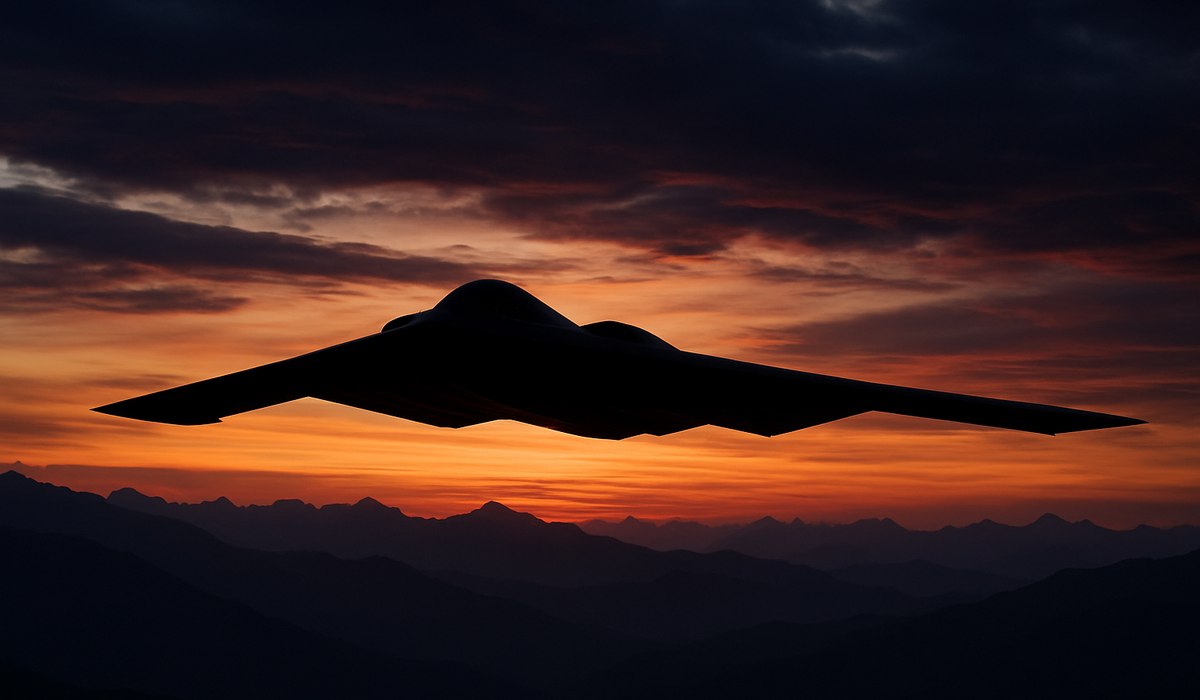
Image generated by AI
Breaking News: America's Stealth Bomber Arsenal Set for Historic Expansion
The US Air Force is preparing to dramatically reshape its strategic bomber capabilities, transitioning from a fleet of just 19 B-2 Spirit aircraft to as many as 145 B-21 Raiders through 2027 and beyond. This represents a sevenfold increase in stealth bomber capacity—the largest modernization of America's aerial strike force in decades. Northrop Grumman, the primary contractor, is ramping up manufacturing operations at production facilities nationwide as defense budget allocations surge. Ellsworth Air Force Base in South Dakota will serve as the initial operational hub for the first delivery-ready B-21 Raiders, marking a watershed moment in military aviation and US defense strategy.
From 19 to 145: The Strategic Shift in US Air Power
The current B-2 Spirit fleet has served as America's primary stealth bomber since the 1990s, representing unmatched technological sophistication but limited operational scale. With only 19 aircraft ever constructed, the B-2 force has operated as an elite, carefully managed asset. The transition to B-21 Raider stealth bomber fleet expansion reflects evolving geopolitical realities and technological advances that enable more cost-effective production of next-generation platforms.
Northrop Grumman's B-21 Raider incorporates lessons learned from decades of B-2 operations while introducing enhanced stealth characteristics, improved fuel efficiency, and greater operational flexibility. Industry analysts project that scaling production to reach 145 aircraft by 2027 will require sustained defense spending and streamlined manufacturing processes. The expansion timeline depends on congressional appropriations, supply chain stability, and contractor performance metrics. Several defense policy experts emphasize that this modernization addresses strategic gaps in America's ability to maintain air superiority across multiple global theaters simultaneously.
B-21 Raider Specifications and Capabilities
The B-21 Raider represents the cutting edge of stealth bomber technology, building upon the legacy of the B-2 Spirit while introducing significant enhancements. The aircraft features advanced low-observable design principles, reducing radar detectability across multiple frequency bands. Its engines incorporate new technology enabling longer range with reduced fuel consumption compared to earlier platforms.
Payload capacity has been optimized for both conventional and nuclear ordnance, with enhanced targeting systems and sensor fusion capabilities. The avionics suite integrates artificial intelligence-assisted mission planning and autonomous flight systems that reduce pilot workload during extended sorties. Defensive systems include active and passive countermeasures designed to defeat modern air defense networks. The B-21's modular design allows for rapid reconfiguration between mission profiles, from strategic bombing to reconnaissance and electronic warfare operations. Industry sources indicate that each aircraft will serve operational roles for 40+ years, justifying the substantial acquisition investment.
Production Timeline and Ellsworth Air Force Base Deployment
Ellsworth Air Force Base, located near Rapid City, South Dakota, was selected as the primary operational home for B-21 Raider units beginning in 2027. The selection recognizes the base's existing bomber operations infrastructure and strategic central location within continental US airspace. Initial deliveries will begin with test and evaluation aircraft, allowing the Air Force to validate operational procedures before full-scale deployment.
Production rates are scheduled to accelerate dramatically through 2026 and 2027, with Northrop Grumman establishing additional manufacturing capacity and supply chain partnerships nationwide. Current defense spending plans allocate substantial resources to the B-21 Raider stealth bomber fleet expansion, with production contracts extending through the 2030s. Secondary operating bases will likely include Dyess Air Force Base in Texas and Whiteman Air Force Base in Missouri, both established bomber bases with existing maintenance infrastructure. Training pipeline development has already begun, with Air Force pilots and weapons officers participating in simulator-based instruction for new aircraft systems.
Defense Budget Allocation and Northrop Grumman Expansion
The Department of Defense has prioritized B-21 Raider stealth bomber fleet expansion within its long-term budget strategy, with annual appropriations projected to increase substantially through 2027 and beyond. Fiscal year 2026 defense budgets reflect this commitment, with significant funding allocated to Northrop Grumman production contracts and facility upgrades. Industry analysts estimate that the total acquisition cost for 145 aircraft will exceed $200 billion across the full production run, accounting for development, manufacturing, and sustainment.
Northrop Grumman is investing in workforce expansion, modern manufacturing equipment, and supply chain development to meet aggressive production timelines. The contractor has secured commitments from multiple subcontractors and component suppliers to ensure uninterrupted manufacturing flow. Economic impacts ripple across the defense industrial base, with employment growth expected in electronics, materials, and precision manufacturing sectors. Congressional support for the program remains strong across both political parties, recognizing the strategic importance of maintaining air superiority capabilities. However, supply chain vulnerabilities—particularly in semiconductors and advanced materials—present ongoing risks to the production schedule through 2027.
| Metric | B-2 Spirit | B-21 Raider | Status 2026 |
|---|---|---|---|
| Current/Projected Fleet Size | 19 aircraft | 145 aircraft | Production ramping |
| First Operational Deployment | 1997 | 2027 | Scheduled for Ellsworth AFB |
| Cost Per Aircraft (estimated) | $2.1 billion | ~$550 million | Unit costs declining |
| Range | 6,000+ nm | 6,500+ nm | Enhanced efficiency |
| Stealth Technology Generation | 1980s design | 2020s design | Significantly improved |
| Production Timeline | 1981-1997 (16 years) | 2022-2032 (10 years) | Accelerated manufacturing |
| Primary Contractor | Northrop Grumman | Northrop Grumman | Sustained partnership |
| Operating Bases | Whiteman AFB (Missouri) | Multiple including Ellsworth | Nationwide deployment planned |
What This Means for Travelers
The expansion of America's stealth bomber fleet has direct implications for civilian aviation and airspace management. Here's what travelers need to know:
-
Expect temporary airspace restrictions near Ellsworth Air Force Base and other training locations as the Air Force establishes operational procedures for B-21 aircraft through 2027. Flight paths over South Dakota may experience occasional delays.
-
Commercial airline routes may be rerouted to accommodate military training operations, potentially affecting flight times on routes between the Midwest and West Coast during peak military activity periods.
-
Airport infrastructure improvements at facilities near military bases could improve passenger facilities and services as federal investment flows into regional aviation infrastructure.
-
Security procedures may be enhanced at civilian airports near military bomber bases, though commercial passenger operations remain completely separate from military operations.
-
Economic benefits will reach regional tourism and hospitality sectors around Air Force bases, as military personnel expansion drives accommodation and dining demand.
Travelers planning flights through affected regions should monitor FlightAware for real-time updates on potential reroutes or delays. The FAA maintains detailed airspace information and publishes notices when military activities may impact civilian operations.
FAQ: B-21 Raider Fleet Expansion and Aviation Impact
When will the first B-21 Raiders become operational?
The first operational B-21 Raider aircraft are scheduled for deployment at Ellsworth Air Force Base in 2027, following comprehensive testing and pilot training programs. Initial operational capability will expand through subsequent years as production rates
Disclaimer
This article is for informational and educational purposes only. It does not constitute legal, financial, or professional advice. While we strive to provide accurate and up-to-date information, travel policies, regulations, and conditions change rapidly. Always verify information with official sources before making travel decisions. Nomad Lawyer makes no representations about the accuracy, reliability, completeness, or suitability of the information provided. Readers should consult qualified professionals for advice specific to their circumstances. The views expressed in this article are those of the author and do not necessarily reflect the views of Nomad Lawyer.
Raushan Kumar
Founder & Lead Developer
Full-stack developer with 11+ years of experience and a passionate traveller. Raushan built Nomad Lawyer from the ground up with a vision to create the best travel and law experience on the web.
Learn more about our team →