European Tourism Authorities Coordinate Year-Round Travel Expansion to Reduce Peak-Season Airport Congestion and Flight Scheduling Pressures across the Mediterranean


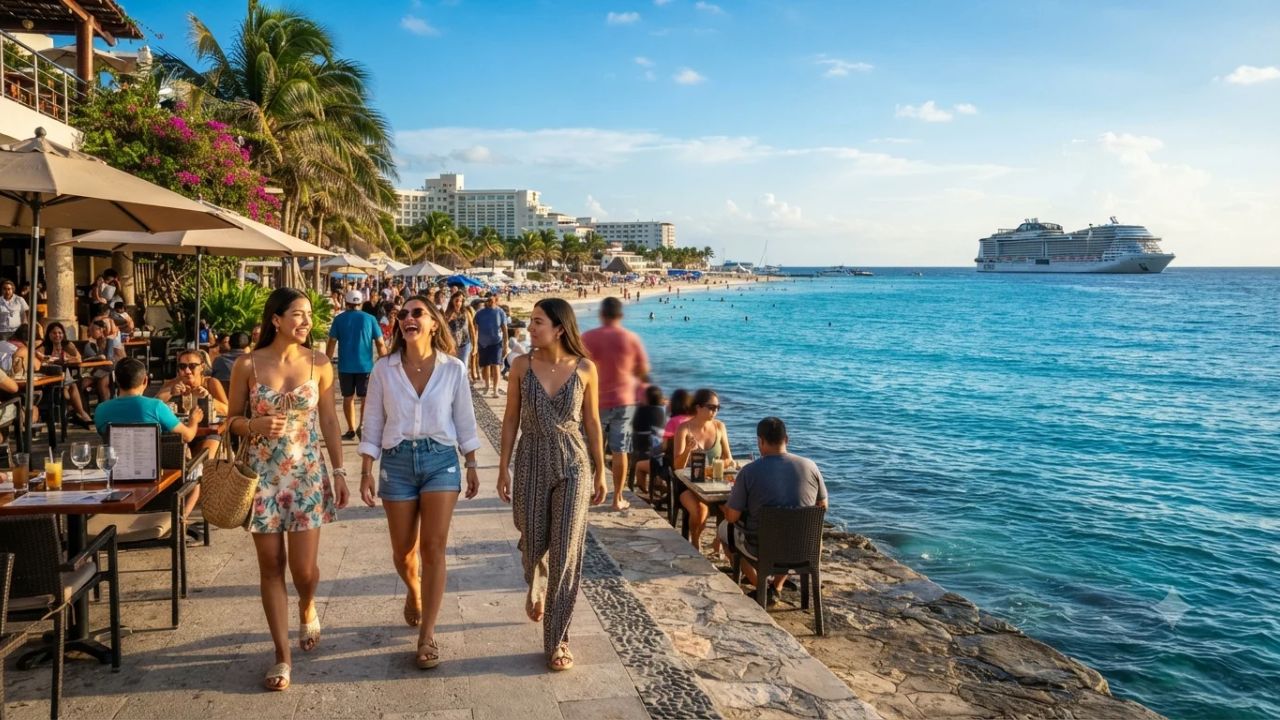
Image generated by AI
European tourism ministries and accommodation providers have launched a year-round tourism initiative to distribute visitor volumes away from crowded summer peaks. The policy aims to mitigate infrastructure strain and reduce off-season flight consolidation disruptions.
The Disruption Details
Data from Eurostat indicates a high concentration of overnight visitor nights during July and August, leading to peak-season airport congestion and pricing spikes. Mediterranean nations, including Spain, Greece, Italy, Portugal, and Croatia, are expanding cultural, rural, and wellness tourism to encourage off-season travel.
Aviation analysts note that this year-round transition will help stabilize airline operations and flight schedules. Currently, the extreme drop in off-season demand forces carriers to cancel or consolidate regional routes, causing unexpected delays and booking disruptions for shoulder-season travelers.
Flight & Airport Impact Breakdown
Our analysis of regional transit and accommodation capacity indicates the following:
| European Destination | Primary Off-Season Strategy | Target Regions | Peak Transit Challenge | Off-Season Passenger Risk |
|---|---|---|---|---|
| Spain | Gastronomy & digital nomads | Balearic Islands, Canary Islands | Severe airport slots congestion | Flight consolidation and frequency reductions |
| Greece | Archaeological & nature travel | Epirus, Peloponnese, Athens | Island water & power outages | Ferry and turboprop flight suspensions |
| Portugal | Wine tourism & hiking routes | Porto, Azores, Madeira | Coastal terminal overcrowding | Regional weather-related flight delays |
| Italy | Food trails & mountain retreats | Umbria, Basilicata, Puglia | Historical center pedestrian gridlocks | Rail schedule cutbacks and bus reductions |
| Croatia | National parks & cycling tours | Dubrovnik, Split, Dalmatian coast | Cruise passenger bottlenecks | Regional airport closures during winter |
- Spain: The Ministry of Industry and Tourism is promoting digital nomad hubs and rural routes to balance traffic at major hubs like Madrid (MAD) and Barcelona (BCN).
- Greece: Focuses on shifting transit from islands (like Santorini and Mykonos) to mainland regions (such as Epirus and Peloponnese) to reduce seasonal flight cancellations.
- Portugal: Extending shoulder seasons in Porto, Lisbon, and Madeira through wine and wellness tourism packages to stabilize airport capacity.
- Croatia & Italy: Implementing dynamic digital visitor management and regional village tours to distribute travelers away from congested coastal centers like Venice and Dubrovnik.
Passenger Rights & Advisory (Information Gain)
For travelers booking off-season flights to European destinations:
- EU261 Flight Consolidation Rights: During the shoulder and winter seasons, airlines frequently cancel flights due to low passenger loads. Under Regulation EU261/2004, if an airline cancels a flight for commercial reasons and fails to notify you at least 14 days before departure, you are entitled to rebooking or a full refund, plus cash compensation of €250 to €600, unless the airline provides an alternative flight with similar timings.
- Re-Routing and Duty of Care: If your consolidated flight is cancelled and the airline re-routes you, they must provide free food, drinks, and communication. If the new flight departs the following day, the airline must arrange and pay for hotel accommodation and taxi transfers.
- Force Majeure and Weather: Winter weather in Northern Europe and Adriatic storm fronts in Croatia can trigger delays. While airlines are exempt from paying cash compensation for weather-related delays, they must still provide a full ticket refund or free rebooking, plus hotel lodging and meals during the delay.
- Package Travel Directive Protection: If you book your flight and accommodation together through a registered European travel agency, you are protected under the EU Package Travel Directive. If your flight is cancelled, the tour operator is legally responsible for re-routing you or providing a full package refund.
Industry Analyst View
Our analysis indicates that Europe's transition to a twelve-month tourism model represents a sustainable response to overtourism. By distributing visitor arrivals evenly throughout the year, municipal transport systems and regional airport networks can avoid seasonal capacity overloads. However, airlines must maintain consistent base flight frequencies to secondary airports during winter months to support year-round hotel operations.
Additionally, accommodation providers must invest in energy-efficient heating and indoor amenities to appeal to off-season travelers. Technology, including dynamic pricing and localized marketing apps, will assist smaller independent hotels in securing consistent occupancy rates. In the long term, balancing international arrivals across all four seasons is essential to protect local communities and preserve the quality of the Mediterranean travel experience.
FAQ: European Year-Round Tourism 2026
Why are European countries expanding off-season tourism?
Ministries are promoting year-round travel to reduce peak-season overcrowding at popular coastal airports and coastal centers, distributing economic benefits and passenger traffic more evenly.
What are my flight cancellation rights during the off-season?
Under Regulation EU261/2004, if an airline cancels your flight due to low occupancy and notifies you less than 14 days prior to departure, you are entitled to rebooking, a refund, and cash compensation.
Am I entitled to a hotel if my re-routed flight departs the next day?
Yes. Under EU261 duty of care rules, the airline is required to provide complimentary hotel lodging, meals, and airport-hotel transfers if your new flight departs the following day.
Related Travel Guides
This article is for informational purposes. Flight routes, passenger regulations, visa rules, and transit advisories are subject to change by airlines and aviation authorities. Readers are advised to verify schedules and travel documentation with relevant carriers and border agencies before departure.
Related Stories

Morocco and Albania Lead Global Tourism Surge as Budget Travelers Avoid European Over-Tourism in 2026
Mexico Tourism Reaches Record 51.1 Million Entries in H1 2026 as US and UK Travelers Drive Aviation and Cruise Surge