
European Drought Alerts Impact Food and Wine Tourism in 2026
Extended droughts and water scarcity are disrupting rural food and wine tourism across Italy, France, Spain, and Germany, prompting conservation measures.
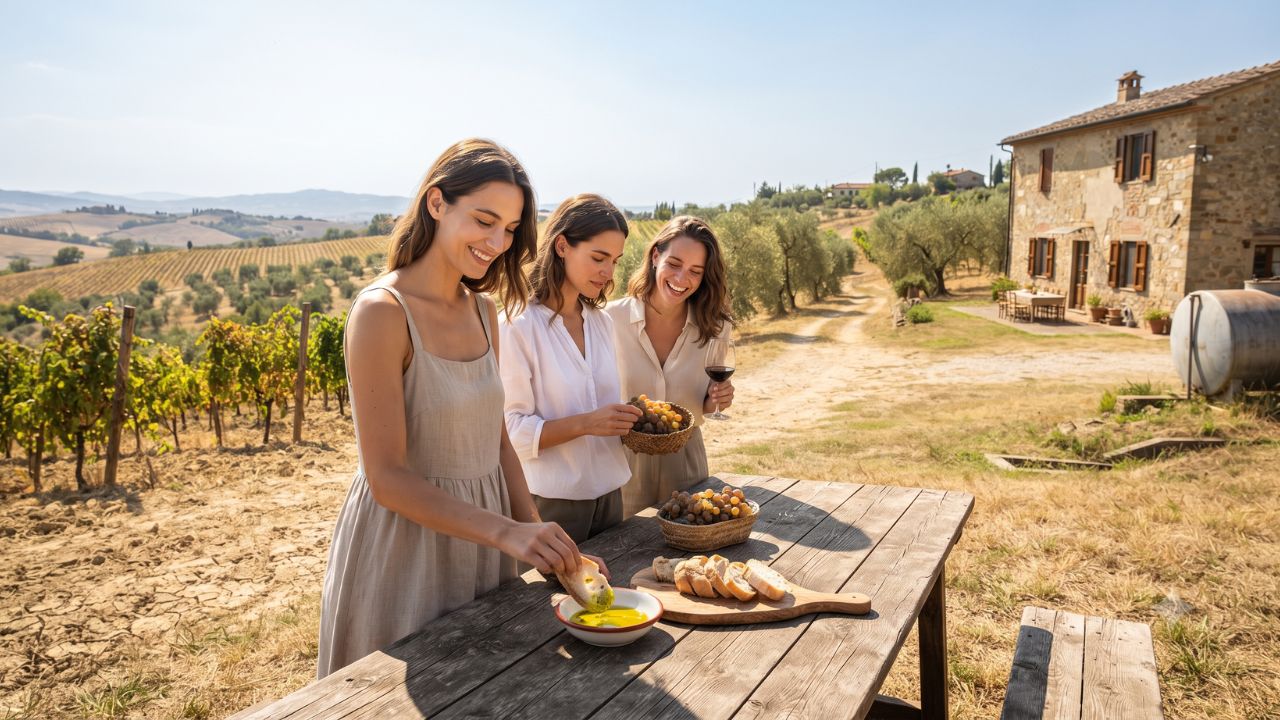
Image generated by AI
With prolonged heatwaves and water shortages impacting vineyards, olive groves, and farm stay programs, agricultural drought is creating new challenges for food and wine tourism across Italy, France, and Spain.
The Core Transit Update
Outbound culinary excursions and rural passenger transits are facing climate-related disruptions in Southern and Western Europe. According to warnings from the European Environment Agency (EEA), severe water scarcity is affecting agricultural productivity in key culinary regions, including Italy's Tuscany and Veneto, France's Bordeaux and Provence, and Spain's Andalusia.
To protect the regional food heritage that attracts millions of international travelers, national ministries of agriculture and environmental protection are implementing strict water management policies, requiring agritourism properties and wineries to adjust their seasonal calendars and sourcing models.
Regional Drought Risks & Sustainable Adaptation
Navigating agricultural tourism zones during active drought periods requires monitoring local environmental conditions alongside farm conservation rules. The following tables outline the European food tourism drought risks and sustainable traveler responses.
| Destination Country | Primary Agricultural / Culinary Focus | High-Risk Food Tourism Regions | Drought Impact / Water Pressure |
|---|---|---|---|
| Italy | Vineyards, olives & cheese | Tuscany, Emilia-Romagna, Veneto, Sicily | Water stress on crop yields & farm stays |
| France | Wine regions & countryside markets | Bordeaux, Burgundy, Provence | Irrigation limits in historic vineyards |
| Spain | Olive oil, wine & rural tourism | Andalusia, Catalonia, Valencia | Severe soil drought & crop losses |
| Germany | River-based wine tourism | Rhine Valley | Low river levels & grape water stress |
| Croatia | Coastal cuisine & olive oil | Istria, Dalmatia, Danube region | Fluctuations in regional food supply |
European food tourism agricultural drought risk profiles (August 2026).
| Tourism Chain Segment | Drought Risk / Operational Pressure | Strategic Adaptation Measures | Recommended Traveler Action |
|---|---|---|---|
| Agritourism Lodges | Local water supply constraints | Smart shower restrictors & greywater | Observe guest water limits strictly |
| Wineries & Vineyards | Altered grape harvest calendars | Micro-irrigation & dry farming | Confirm harvest festival schedules |
| Regional Restaurants | Inconsistent seasonal harvests | Locally sourced eco-certified goods | Choose seasonal, farm-to-table menus |
Food tourism adaptation strategies.
Traveler Logistics Guide
From a ground-level perspective, the best way to navigate this is to verify the operating status and seasonal schedules of local farm stays (agriturismi) or vineyard tasting tours directly before departure, as water conservation regulations can alter harvest events, pool availability, and restaurant menus. Checking national environmental bulletins is recommended.
To plan your culinary visit during drought advisories:
- Observe Local Water Restrictions: Many municipalities in Tuscany and Andalusia enforce strict limits on guest water usage. Take shorter showers, reuse towels, and avoid wasting running water.
- Support Farm-to-Table Networks: Choose dining establishments that source their ingredients from local organic cooperatives. This supports small-scale farmers facing rising irrigation costs.
- Check Harvest Timelines: High temperatures can accelerate grape and olive harvest cycles by several weeks. Contact wineries in Piedmont or Bordeaux to ensure tours are active.
- Verify River Cruise Depths: If traveling along the Rhine Valley in Germany, monitor water levels, as dry spells can restrict passenger vessel operations, requiring operators to use bus transfers.
Infrastructure Impact Assessment
The increasing frequency of droughts emphasizes the link between agricultural stability and the tourism economy. Under the European Commission's Common Agricultural Policy (CAP) guidelines, governments are funding climate-resilient crop research, advanced irrigation infrastructure, and eco-certified tourism projects.
By helping rural communities diversify their offerings beyond water-intensive events, these programs protect the economic health of small-scale farmers and the service providers who rely on them.
Related Travel Guides
European Wildfire Alerts Impact Albania, Greece, and Spain in 2026
Shravani Mela 2026 Deoghar Travel Tips and Logistics Guide
10 Best Travel Tips for Food and Wine Tourism in Europe During Droughts, According to Reddit
Disclaimer
This article is for informational and educational purposes only. It does not constitute legal, financial, or professional advice. While we strive to provide accurate and up-to-date information, travel policies, regulations, and conditions change rapidly. Always verify information with official sources before making travel decisions. Nomad Lawyer makes no representations about the accuracy, reliability, completeness, or suitability of the information provided. Readers should consult qualified professionals for advice specific to their circumstances. The views expressed in this article are those of the author and do not necessarily reflect the views of Nomad Lawyer.