
Europe Travel Heatwave Impact Table Reveals June Tourism Changes Across Global Destinations and Visitor Trends
Europe Travel Heatwave Impact Table Reveals June Tourism Changes Across Global Destinations and Visitor Trends

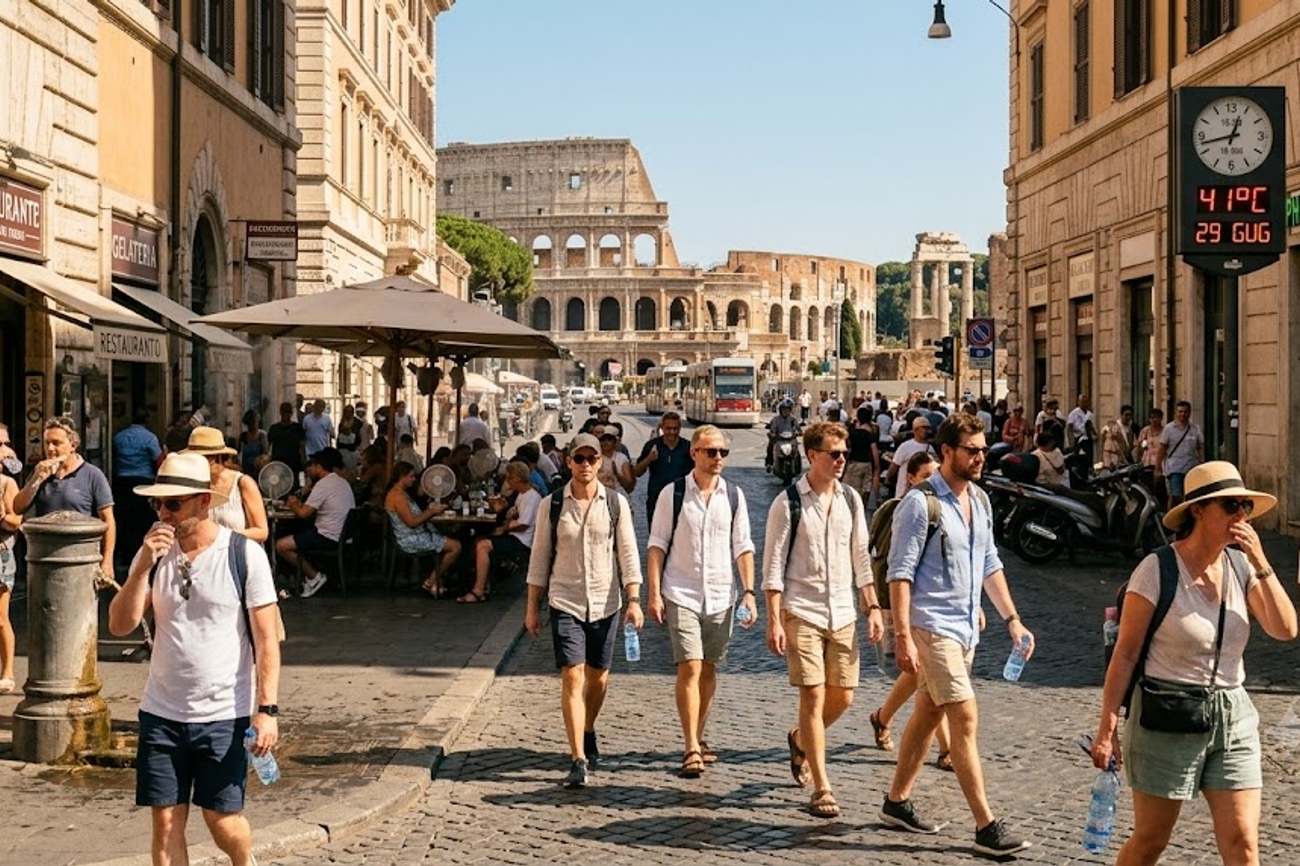
Image generated by AI
While global international arrivals dipped by 3% in June, Western Europe suffered a much sharper 6% decline. This sudden drop was not due to a lack of interest in the continent, but rather a direct reaction to record-breaking heatwaves that turned traditional sightseeing into a physical endurance test.
The Great Climate Pivot of 2026
We are witnessing a fundamental shift in how people choose their summer destinations. For decades, the "Grand Tour" of Western Europe in June and July was an unquestioned tradition. However, the data from the first half of 2026 tells a different story. While 690 million tourists crossed international borders between January and June—a modest 0.4% increase year-on-year—the specific timing and location of these trips are changing.
The June slump in Western Europe proves that travelers are no longer ignoring weather forecasts when booking. When temperatures hit record levels, the appeal of walking through open-air museums or queuing for the Louvre vanishes. This is not a collapse of the European market, but a redistribution of it. Even as arrivals dipped in June, the aviation sector remained remarkably robust. According to Eurocontrol, the period between 1 June and 31 August saw an average of 35,959 flights per day, which is a 2.4% increase over the previous year. People are still flying into Europe, but they are increasingly pivoting away from the traditional "heat traps" of the south and west during the peak of summer.
What Makes the Current European Experience Different
The modern European travel experience is now defined by a tension between high demand and environmental volatility. We are seeing the rise of "climate-conscious routing," where travelers avoid the Mediterranean heat in favor of Northern Europe or shift their visits to the shoulder seasons of May and September.
The geographic uniqueness of Europe—its dense concentration of walkable historic centers—has ironically become a liability during extreme heatwaves. Cities designed for pedestrians in a temperate climate are struggling to adapt to temperatures that make outdoor exploration dangerous. This has created a new hierarchy of destinations; places with natural cooling, such as the alpine regions or the Atlantic coasts, are seeing a surge in interest as the inland cities bake.
To understand the broader scale of this shift, it is helpful to look at the global context via UN Tourism, where the data shows that weather is now a primary driver of destination performance. This isn't just a European problem. In Oceania, for instance, Typhoon Sinlaku triggered a 6% decrease in international arrivals during June, proving that extreme weather is the new primary disruptor of global tourism flows.
Visitor Insider Tips
Having spent years navigating the European summer, I can tell you that the "June slump" is actually an opportunity if you know how to play the system. To avoid the record heat and the crowds that follow the weather shifts, follow these local strategies:
The "Siesta" Schedule Stop trying to sightsee from 11:00 AM to 4:00 PM. In cities like Madrid, Rome, or Athens, do as the locals do: be out the door by 7:00 AM, retreat to your hotel or a shaded cafe during the peak heat, and emerge again at 6:00 PM. The light is better for photography, and the temperature is manageable.
Base Yourself in "Cool" Neighborhoods Avoid the hyper-central hotels that lack central air conditioning (which are surprisingly common in historic districts). Look for accommodations in northern districts or near waterfronts. In cities like Paris, venturing toward the Canal Saint-Martin area often feels a few degrees cooler than the concrete heat island of the 1st Arrondissement.
Transport Hacks When the heat hits, avoid the Metro if the lines are old and lack ventilation (looking at you, Paris). Instead, utilize the expanding networks of electric bikes or opt for regional trains to get to the periphery. For those planning wider trips, check Eurocontrol or local rail authorities for real-time updates, as extreme heat can occasionally warp rails or cause flight delays.
Regional Specialties for Heat Move beyond the standard tourist menus. In Spain, seek out salmorejo (a thicker, colder version of gazpacho) or ajoblanco. In Italy, prioritize granite over heavy gelato during the midday peak to stay hydrated and cool.
Cultural and Environmental Context
The decline in June arrivals is a symptom of a larger struggle: the intersection of heritage preservation and climate change. Many of Europe's most famous sites are UNESCO World Heritage sites, meaning they cannot simply be retrofitted with massive industrial cooling systems without destroying their historical integrity.
This creates a complex dilemma for local communities. On one hand, the drop in visitor numbers during heatwaves provides a temporary respite for overworked residents and strained infrastructure. On the other hand, these cities rely heavily on the economic injection of summer tourism. The 6% drop in June arrivals represents a significant loss in revenue for small businesses, from family-run trattorias to boutique hotels.
Furthermore, the environmental pressure is cyclical. As tourists flee the heat of the south for the cooler north, they put unprecedented pressure on the fragile ecosystems of Scandinavia and the Alps. This "climate migration" of tourism requires a new approach to sustainable management, ensuring that the shift in visitor patterns doesn't simply move the environmental degradation from one region to another.
FAQ: Visiting Europe 2026
What is the best time to visit to avoid extreme heat? The ideal windows are now May and September. These shoulder seasons offer mild temperatures and significantly lower crowds than the July-August peak, while still providing the full range of open attractions and services.
How do I handle transport during weather disruptions? Stay flexible. Use official transport apps and monitor local news. Because aviation remains strong (averaging nearly 36,000 flights daily), flights are reliable, but regional ground transport can be affected by heat-related delays.
Is it safe for solo travelers during these shifts? Yes, Europe remains very safe for solo travelers. However, during extreme heatwaves, ensure you have a reliable way to access water and cooling. Stay connected with local embassy apps and tourism boards for safety alerts.
Do I need a visa for Western Europe in 2026? Visa requirements depend on your nationality. Most non-EU citizens should check the latest ETIAS requirements or official government portals to ensure they have the correct travel authorization before departure.
The map of Europe is being redrawn, not by borders, but by the thermometer.
#WesternEuropeTravel2026 #ClimateTourism #EuropeanSummerTrends #UNTourismData #SustainableEuropeTravel
Related Travel Guides
- Mexico Unites with Canada and Dominican Republic as More American Tourists are Going Resulting August Air Ticket Sales Reach Record 9.8 Billion USD
- UK Travel Boom: The Gentlemen Filming Locations Set to Boost Gloucestershire and Wiltshire Tourism
- Myrtle Beach Aligns with Yuma, Panama City and Other US Destinations Empty with Canadian Tourists, Resulting Air Canada, WestJet, Air Transat Flight Cut
Disclaimer
This article is for informational and educational purposes only. It does not constitute legal, financial, or professional advice. While we strive to provide accurate and up-to-date information, travel policies, regulations, and conditions change rapidly. Always verify information with official sources before making travel decisions. Nomad Lawyer makes no representations about the accuracy, reliability, completeness, or suitability of the information provided. Readers should consult qualified professionals for advice specific to their circumstances. The views expressed in this article are those of the author and do not necessarily reflect the views of Nomad Lawyer.
Preeti Gunjan
Contributor & Community Manager
A passionate traveller and community builder. Preeti helps grow the Nomad Lawyer community, fostering engagement and bringing the reader experience to life.
Learn more about our team →