Europe Rail Travel Revolution Connects Lapland To Algarve With Sustainable Scenic Train Journeys

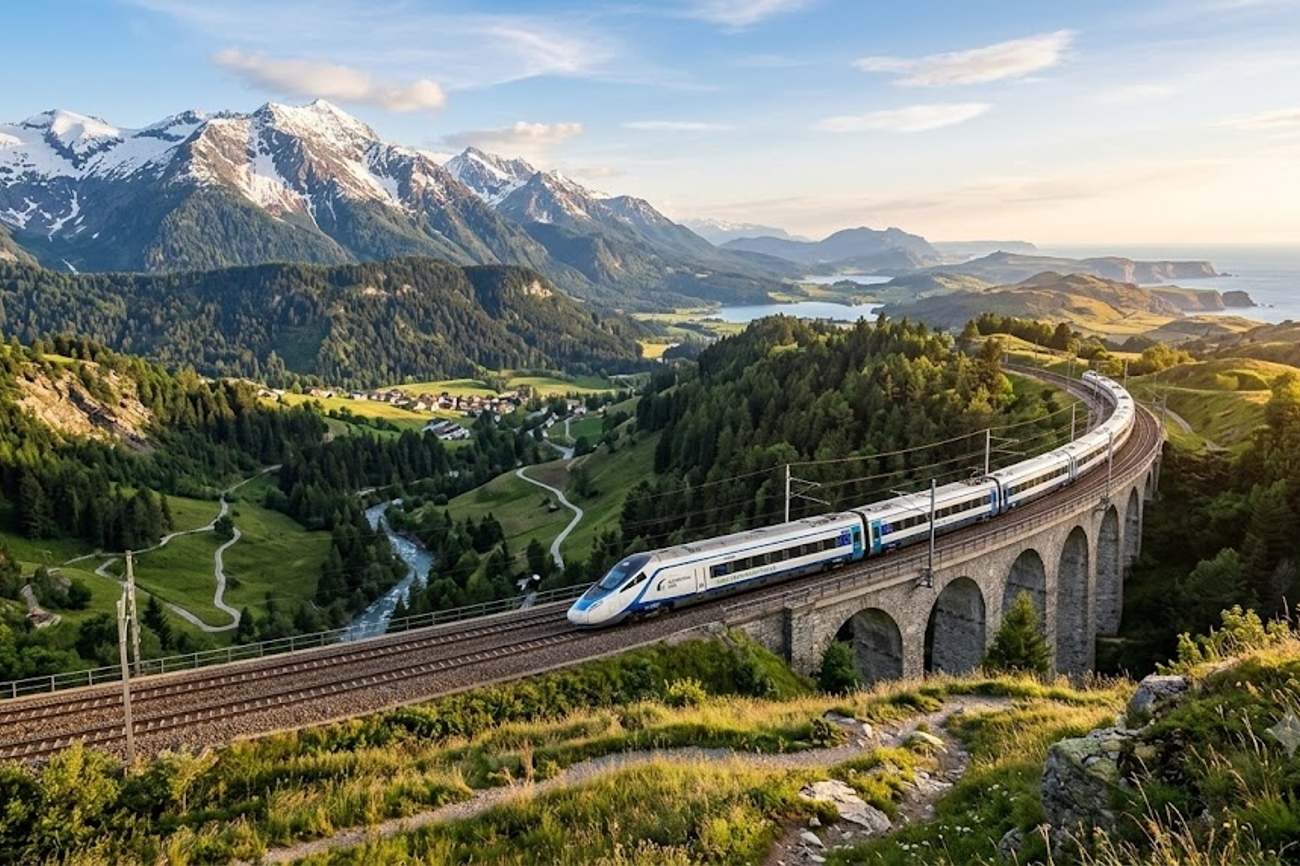
Image generated by AI
[Brussels, October 2023] — European transport authorities are accelerating the development of a comprehensive, sustainable rail corridor stretching from the Arctic wilderness of Finnish Lapland to the Atlantic shores of Portugal’s Algarve region. This initiative marks a strategic pivot toward "slow travel," prioritizing lower-carbon mobility and cultural immersion over the speed of short-haul aviation.
The push is led by the European Commission, which has integrated cross-border rail connectivity into the core of its future transport planning. By targeting the removal of systemic barriers between national railway operators, the EU aims to transform the continent's fragmented rail network into a seamless web of international services. The goal is to make long-distance journeys—such as the trek from the Arctic Circle to the Mediterranean—a viable and attractive alternative for the modern, environmentally conscious tourist.
The Shift Toward Low-Carbon Mobility
The catalyst for this expansion is a fundamental shift in traveler psychology and EU climate mandates. For decades, European travel relied on a hub-and-spoke aviation model. However, a growing demand for sustainable tourism is driving passengers toward rail, which offers a significantly lower carbon footprint per passenger kilometer.
The European Commission's current Action Plan specifically targets the "interoperability" of rail systems. Historically, crossing a border often meant dealing with different track gauges, signaling systems, and ticketing platforms. Current modernization programs are designed to harmonize these technical standards, allowing trains to move across borders with minimal friction. This is not merely an infrastructure project but a tourism strategy intended to distribute visitor traffic away from over-saturated city centers and into regional landscapes.
Affected Regions and Route Dynamics
While a single "Lapland Express" ticket does not yet exist, the proposed corridor connects several distinct tourism economies and geographic zones. The journey requires a sequence of transfers across multiple national operators, but the infrastructure is being streamlined to support the following transit points:
- The Arctic North: Starting in Finnish Lapland, focusing on northern lights, wildlife, and snow-covered forests.
- The Nordic Gateway: Transit through Helsinki, which serves as the primary rail hub connecting the Arctic regions to the rest of Europe.
- The Scandinavian Interior: Passage through Nordic forests and coastal regions.
- The Central European Core: Connectivity through the historic cities and rail hubs of Central Europe.
- The Mediterranean South: Transit through Southern Europe, terminating at the Atlantic coastline of Portugal's Algarve.
Practical Traveler Advisory and Strategic Insights
For the average passenger, this transition means a move away from the "airport-hotel-airport" cycle toward a journey where the transit is the destination. However, the practical reality for someone booking today remains complex.
Passenger Impact Assessment:
- Booking Complexity: Currently, a journey from Finland to Portugal requires coordinating multiple tickets across different national rail companies. Travelers must still navigate various languages and booking interfaces.
- Travel Time: These journeys are significantly longer than flights. A Lapland-to-Algarve trip is a multi-day expedition, not a commute.
- Cost Structures: While some segments are affordable, the lack of a unified "interrail-style" single ticket for this specific long-haul corridor can lead to price volatility.
- Experience: Travelers gain access to "slow travel" benefits, including scenic landscapes and local community interactions that are invisible from 30,000 feet.
The European Union Agency for Railways (ERA) is working to mitigate these frictions by pushing for digital ticketing integration. The objective is a future where a traveler can book a multi-country itinerary through a single digital interface, with guaranteed connections and unified passenger rights.
The Future of Cross-Border Infrastructure
The timeline for a fully seamless Lapland-to-Algarve experience depends on the rollout of the EU's interoperability mandates. The focus is now shifting toward the "digital rail" era. This includes the implementation of unified passenger information systems and the strengthening of passenger rights across borders.
If a train is delayed in Central Europe, current regulations vary on how a passenger is compensated or re-routed if they have a separate ticket for a journey into Portugal. The European Commission is proposing new measures to standardize these protections, ensuring that international rail travelers have the same safety nets as those flying under EU aviation laws.
The Europe Rail Travel Revolution is set to transform the way travelers explore the continent, with scenic train journeys connecting Lapland to Algarve while promoting sustainable tourism practices. For the most up-to-date information on rail travel options and to plan your itinerary, visit the European Commission's official website for details on transportation policies and initiatives. This initiative aims to reduce carbon footprint while enhancing the overall travel experience.
Furthermore, the expansion of high-speed rail (HSR) networks across the continent is intended to make these long-distance journeys more competitive. By increasing the average speed of cross-border transit, the EU hopes to lure the "business-leisure" (bleisure) traveler who requires a balance of sustainability and efficiency.
FAQ: European Rail Tourism 2023
Can I book a single ticket from Lapland to the Algarve right now? No. You currently need to purchase separate tickets from various national operators. However, the EU is working on integrated booking systems to simplify multi-operator journeys.
Is rail travel actually more sustainable than flying for these distances? Yes. Rail transport produces significantly fewer CO2 emissions per passenger than short- and medium-haul flights, making it the primary choice for low-carbon tourism.
What happens if I miss a connection in a different country? Passenger rights vary by operator. The EU is currently proposing standardized passenger protections to ensure consistent support and compensation for cross-border rail delays.
Which city is the main gateway for starting a rail journey to the Arctic? Helsinki serves as the primary hub for international travelers entering Finland before they proceed north by rail toward Lapland.
The era of the flight-hop is fading as the iron road reclaims the European continent.
Related Travel Guides
- IAAPA Expo Europe 2026 Opens in London With 870 Exhibitors and 70+ Events Showcasing the Future of Attractions
- Japan Opens the Tokyo Tourism Expo to Visitors as New Destinations Offer More Ideas for Their Next Trip
- US Set to Join Spain and Others as Over 200 Travel Leaders Head to Valletta for WTTC Global Summit in Malta Next Month
This article is for informational purposes. Flight routes, passenger regulations, visa rules, and transit advisories are subject to change by airlines and aviation authorities. Readers are advised to verify schedules and travel documentation with relevant carriers and border agencies before departure.
Related Stories
Europe Strengthens Direct Air Bridges With Central and South America Through Expanding Flight Networks: All You Need to Know

Europe Tourism Surges as Amsterdam Joins Madrid and Cologne in Pride 2026 Spending Boom: All You Need to Know