
Europe Running Holidays 2026: Top Destinations in France, Italy, Germany, and Portugal for Active Travel
Active tourism is surging across Europe as 'runcations' replace traditional sightseeing, with France, Italy, and Portugal emerging as top hubs for wellness-focused running holidays in 2026.

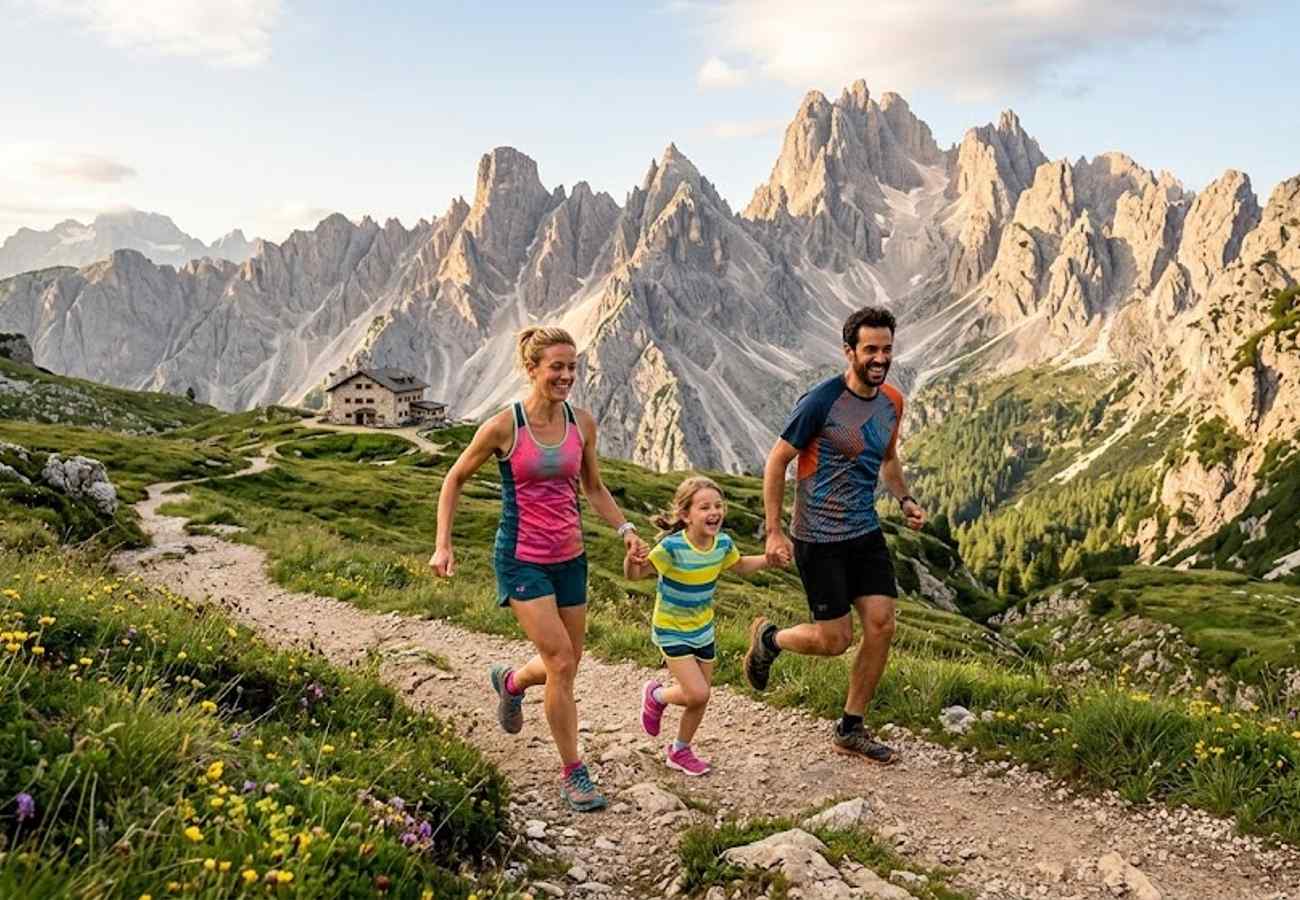
Image generated by AI
[GENEVA, July 24] — A significant shift in European tourism is underway as travelers abandon passive sightseeing in favor of "runcations"—holidays that integrate physical fitness with cultural exploration. Across France, Italy, Germany, and Portugal, there is a measurable surge in visitors seeking scenic trails and wellness-driven itineraries that prioritize health and environmental sustainability.
The evolution of the European getaway is moving away from beach resorts and crowded city centers toward active engagement with the landscape. These running holidays are not limited to elite athletes; they cater to a broad spectrum of fitness levels, from those seeking a light morning jog in a historic village to experienced trail runners tackling high-altitude peaks. By shifting the perspective from a tour bus to a running shoe, visitors are accessing hidden corners of the continent that remain invisible to traditional tourists.
The Shift Toward Wellness-Centric European Tourism
The rise of active travel is closely linked to a broader global demand for wellness-focused experiences. Modern travelers are increasingly prioritizing mental and physical health, seeking destinations that allow them to decelerate their pace while increasing their physical activity.
Industry reports indicate that this trend supports sustainable tourism goals. Foot-based exploration naturally reduces the carbon footprint associated with short-distance transport and encourages a deeper economic impact on small-scale local businesses. Runners are more likely to frequent family-owned cafés and stay in regional boutique accommodations, distributing tourism revenue more evenly across rural communities.
Chamonix: The High-Altitude Hub of France
In the French Alps, Chamonix has solidified its position as a premier destination for outdoor endurance. Situated at the base of Mont Blanc, the town serves as a gateway to a sophisticated network of mountain trails designed for various skill levels.
Runners in Chamonix encounter a diverse topography featuring alpine meadows, glaciers, and steep ascents. To maximize the experience, many visitors integrate cable car transport to reach high-altitude starting points, allowing for panoramic descents. French tourism officials emphasize the importance of rigorous preparation, urging runners to monitor volatile mountain weather and strictly adhere to marked paths to ensure safety in the rugged terrain.
The Dolomites: Italy’s Limestone Landscapes
Northern Italy’s Dolomites, a UNESCO World Heritage site, offer a distinct blend of dramatic geology and refined hospitality. The region is characterized by its towering limestone cliffs and lush valleys, providing a visually stunning environment for distance running.
A defining feature of the Dolomites experience is the "rifugio" system. These mountain refuges provide essential hydration and regional nutrition, enabling runners to extend their routes into the deep wilderness without sacrificing safety or comfort. This infrastructure allows for a seamless transition between high-intensity exercise and the enjoyment of Italian alpine culture.
Germany’s Black Forest: A Sanctuary for Nature Escapes
For those avoiding the intensity of high-altitude peaks, Germany’s Black Forest provides a serene alternative. Known for its dense canopy and rolling hills, the region offers a network of well-maintained paths that wind through picturesque villages and ancient woodlands.
The appeal of the Black Forest lies in its accessibility. It is frequently cited as an ideal location for families or solo travelers who prefer a slower, more meditative pace. A typical itinerary here involves early morning forest runs followed by afternoons spent in local markets or exploring the historic architecture of nearby towns.
Madeira and Mallorca: Coastal and Island Endurance
Beyond the mainland, Portugal and Spain are emerging as powerhouses for active travel.
Madeira, Portugal: The island is renowned for its "levadas"—historic irrigation channels that have been converted into a vast network of trails. These paths carve through laurel forests and along dramatic coastal cliffs, offering a mild climate that supports year-round running.
Mallorca, Spain: While traditionally viewed as a beach destination, Mallorca’s Serra de Tramuntana range provides a rigorous challenge for runners. The region features ancient stone paths and winding mountain roads that lead to historic monasteries and traditional villages, blending physical exertion with Mediterranean heritage.
Enhancing Local Connectivity Through Active Travel
Running holidays facilitate a level of community interaction that conventional tourism cannot replicate. By moving through neighborhoods on foot, travelers discover independent businesses and quiet residential streets long before the midday tourist crowds arrive.
This "slow travel" approach fosters a more authentic connection with the local population. Whether it is a conversation with a shopkeeper in a remote village or discovering a hidden bakery along a trail, the active traveler engages with the destination as a participant rather than a spectator.
Safety Protocols for Outdoor Exploration
As the popularity of trail running grows, European tourism authorities have issued updated safety guidelines to protect both the traveler and the environment. Key recommendations include:
- Hydration and Gear: Carrying sufficient water and utilizing terrain-specific footwear to prevent injury.
- Environmental Stewardship: Staying on designated trails to prevent soil erosion and protect fragile alpine and forest ecosystems.
- Technology and Insurance: Ensuring mobile devices are fully charged and carrying comprehensive travel insurance that specifically covers high-risk outdoor activities.
The Future of the European Wellness Trend
The trajectory of European tourism is clearly leaning toward a hybrid of health and discovery. The "runcation" is no longer a niche activity but a mainstream preference for the 2026 travel season. By transforming the act of sightseeing into a physical challenge, travelers are finding a more rewarding way to experience the cultural and natural wealth of the continent.
From the peaks of the Alps to the levadas of Madeira, the integration of fitness into the travel itinerary is redefining what it means to explore Europe. For the modern traveler, the goal is no longer just to see a place, but to move through it.
The era of the passive tourist is ending, replaced by a generation that views the world as their gym and the trail as their guide.
Related Travel Guides
Disclaimer
This article is for informational and educational purposes only. It does not constitute legal, financial, or professional advice. While we strive to provide accurate and up-to-date information, travel policies, regulations, and conditions change rapidly. Always verify information with official sources before making travel decisions. Nomad Lawyer makes no representations about the accuracy, reliability, completeness, or suitability of the information provided. Readers should consult qualified professionals for advice specific to their circumstances. The views expressed in this article are those of the author and do not necessarily reflect the views of Nomad Lawyer.
Preeti Gunjan
Contributor & Community Manager
A passionate traveller and community builder. Preeti helps grow the Nomad Lawyer community, fostering engagement and bringing the reader experience to life.
Learn more about our team →