
Colombia's Luxury Travel Evolution: Historic Mansions, Coffee Forest Sanctuaries, and Private Caribbean Escapes

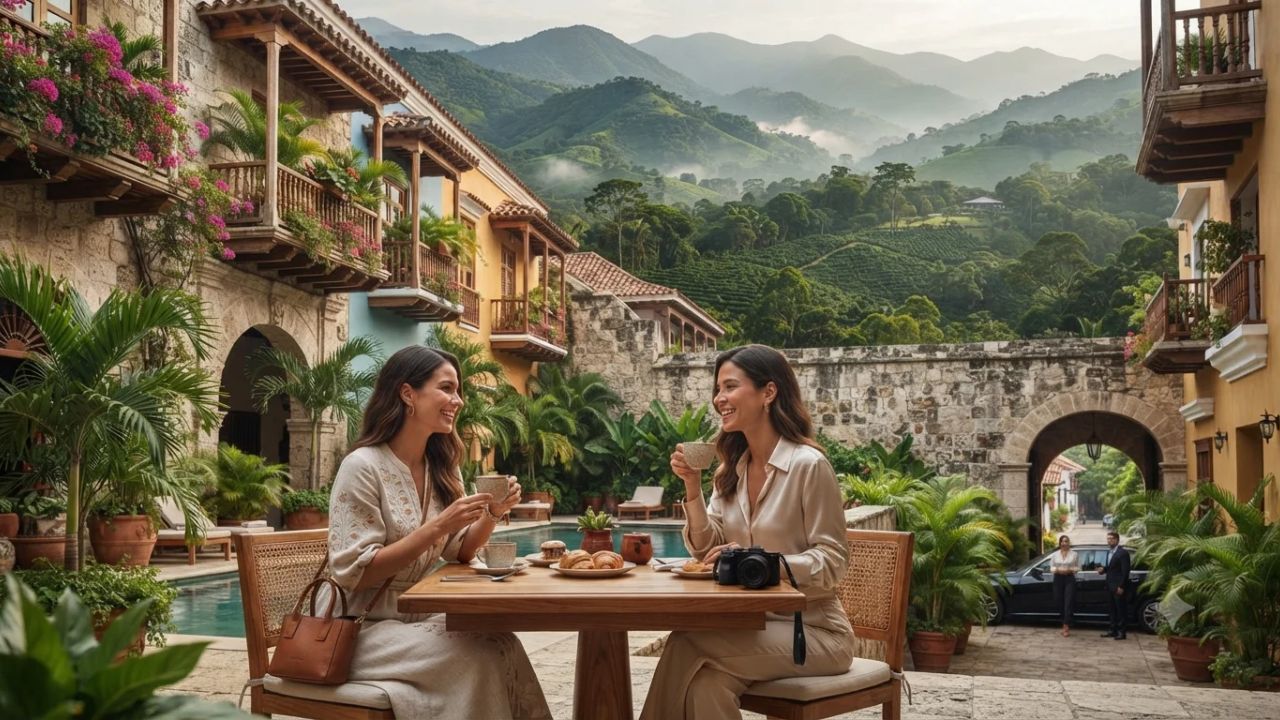
When the Michelin Guide awarded its inaugural hotel keys across South America in 2025, Colombia secured nine prestigious distinctions—not for towering glass skyscrapers, but for intimate colonial mansions and remote cloud forest eco-sanctuaries. Rather than mimicking standard mega-resort chains, Colombia's premium tourism evolution is anchoring itself in architectural restoration, deep biodiversity, and private heritage immersion. High-end travelers are pairing the 18th-century cobblestone ramparts of Cartagena de Indias with the misty Andean coffee groves of Quindío and secluded Caribbean coastal islands.
Official tourism campaigns curated by ProColombia highlight this shift toward smaller, highly tailored hospitality. With five properties connected to the independent Secretos de Colombia boutique alliance earning Michelin Keys, the focus has pivoted decisively toward quiet privacy, dedicated chef dining, bioclimatic architecture, and seamless air connections across the nation's contrasting geographic zones.
Restored Colonial Palaces and Forest Retreats Reshape Hospitality
In Cartagena's historic Walled City, luxury is defined by architectural preservation rather than room count. Casa Pestagua, an 18th-century aristocratic manor known as the Palace of the Count of Pestagua, completed an extensive restoration in 2022 that carved out just 16 individually designed suites. The property earned Two Michelin Keys in 2025 by pairing vaulted colonial archways and Moorish courtyards with contemporary Caribbean fine dining, bespoke wellness treatments, and private beach launch access to the nearby island of Barú.
Historic center peers such as the 30-room Casa San Agustín and the 11-room Hotel Quadrifolio demonstrate the same philosophy. Instead of crowded lobbies, guests encounter quiet internal courtyards, palm-fringed plunge pools, and tailored 24-hour concierge care. Private urban villas have expanded this market segment even further. Residences like Casa Azzurra offer dedicated private chefs who prepare customized breakfasts, alongside dedicated housekeeping, chauffeured transfers, and curated rum-tasting evenings within walled tropical gardens.
In the Coffee Cultural Zone of Quindío and Antioquia, high-end hospitality trades Spanish colonial masonry for deep green immersion. Cannúa Lodge in Antioquia captured Two Michelin Keys for its zero-waste, permaculture-driven design set amidst native mountain forest. In Quindío, Hacienda Bambusa—also recognized with a Michelin Key—immerses guests in an active cacao, plantain, and coffee plantation backed by bamboo groves. Nearby, Bio Habitat Hotel integrates bioclimatic wooden architecture, panoramic glass-walled suites, forest bathing, and luxury glamping directly into the high Andean tree canopy.
What Makes Colombia's Twin-Region Journeys Unique
The contrast between the sun-drenched Caribbean coast and the cool Andean coffee highlands creates an itinerary unmatched anywhere in the Americas. Cartagena represents five centuries of maritime history, fortified stone walls, vibrant palenquera fruit vendors, and coastal culinary innovation recognized globally. In March 2026, international food summits highlighted Cartagena and the surrounding Bolívar department as one of South America's most dynamic centers for avant-garde gastronomy, where Caribbean seafood meets ancestral Amazonian and Pacific ingredients.
Just a short domestic flight south, the topography shifts to the emerald folds of the central cordillera. Inscribed as a UNESCO World Heritage site, the Coffee Cultural Landscape of Colombia encompasses steep agrarian slopes where premium arabica beans are hand-harvested beneath wax palms that soar up to 60 meters high.
Experiencing both regions within a single journey allows travelers to transition from sunset sails along Cartagena Bay to sunrise hot-air balloon flights gliding over misty mountain valleys. High-end transport options make this movement seamless. Travelers can now transfer from Cartagena to Barú Island aboard private catamarans or utilize dedicated helicopter charters introduced by properties such as Hotel Las Islas, which operates 54 main bungalows and 10 private island villas alongside an on-site diving center and wellness spa.
Visitor Insider Tips
Navigating Colombia's top heritage and nature destinations requires an understanding of local customs, seasonal rhythms, and regional logistics:
- Divide Your Cartagena Stay: Spend two nights within the historic Walled City or San Diego district to enjoy evening dining and architecture on foot, then transfer 40 minutes south to Barú Island or the Rosario archipelago for two nights of coastal seclusion.
- Opt for Private Coffee Cupping: Skip mass bus tours to commercial coffee parks. Request private cupping sessions at single-estate fincas in Buena Vista or Pijao, where master roasters demonstrate how altitude, volcanic soil, and honey-processing techniques shape delicate floral and citrus bean profiles.
- Master Regional Microclimates: While Cartagena remains humid and tropical with temperatures hovering around 31°C (88°F), the Coffee Region sits between 1,400 and 2,000 meters elevation, with refreshing daytime temperatures of 22°C (72°F) and brisk evenings requiring light jackets.
- Reserve Iconic Tables Weeks Ahead: Cartagena's premier dining venues, such as Celele in the Getsemaní neighborhood and Carmen in the historic center, require reservations up to a month in advance during peak winter and summer seasons.
- Fly Direct Between Regional Hubs: Avoid lengthy Andean mountain drives between the coast and the coffee belt. Utilize direct domestic air routes connecting Cartagena's Rafael Núñez International Airport with Pereira's Matecaña Airport or Armenia's El Edén Airport.
Cultural and Environmental Context
The rapid growth of boutique hospitality has created new avenues for sustainable rural employment and architectural preservation across Colombia. In the Coffee Triangle, shifting global coffee prices have historically challenged smallholder farmers. High-end agritourism provides vital revenue diversification, allowing estates to maintain traditional shade-grown cultivation methods while paying premium wages to local guides, botanists, and culinary staff.
Environmental certifications are increasingly setting the standard for coastal properties. On Barú, the Sofitel Barú Cartagena Beach Resort operates as a LEED-certified complex, eliminating single-use plastics and funding coastal mangrove restoration and sea turtle conservation projects. Similarly, mountain retreats like Cannúa and Bio Habitat prioritize native reforestation, biological waste management, and solar integration, proving that luxury hospitality can actively restore fragile ecosystems.
By distributing tourist spending beyond the traditional confines of Bogotá and central Cartagena into smaller municipalities across Quindío, Caldas, and Risaralda, premium travel fosters equitable regional growth. When travelers invest in locally owned boutique properties and certified guides, their presence supports the preservation of century-old bahareque architecture and ancestral farming traditions that define Colombia's cultural identity.
FAQ: Visiting Colombia 2026
What is the ideal duration for a combined Cartagena and Coffee Region trip?
A balanced itinerary requires seven to nine days: three nights in Cartagena's historic center, two nights on Barú Island, and three to four nights in a Quindío forest lodge.
How do I get from Cartagena to the Coffee Region?
Take a direct 75-minute domestic flight from Cartagena (CTG) to Pereira (PEI) or Armenia (AXM), followed by a private 45-minute chauffeured vehicle transfer to your boutique lodge.
When is the best time of year to visit both destinations?
December through March and July through August offer the sunniest weather, dry hiking conditions in the coffee hills, and calm Caribbean seas for boating.
Are private helicopter transfers widely available?
Helicopter charters operate from Cartagena to private resorts on Barú Island, the Rosario Islands, and remote Andean estates through specialist aviation operators and luxury properties.
True luxury in Colombia is not found in gilded chandeliers, but in sipping freshly roasted geisha coffee above the morning cloud line before descending to sunset cocktails against 400-year-old Caribbean stone.
Related Travel Guides
Disclaimer
This article is for informational and educational purposes only. It does not constitute legal, financial, or professional advice. While we strive to provide accurate and up-to-date information, travel policies, regulations, and conditions change rapidly. Always verify information with official sources before making travel decisions. Nomad Lawyer makes no representations about the accuracy, reliability, completeness, or suitability of the information provided. Readers should consult qualified professionals for advice specific to their circumstances. The views expressed in this article are those of the author and do not necessarily reflect the views of Nomad Lawyer.
Raushan Kumar
Founder & Lead Developer
Full-stack developer with 11+ years of experience and a passionate traveller. Raushan built Nomad Lawyer from the ground up with a vision to create the best travel and law experience on the web.
Learn more about our team →