
Europe Aligns With New Travel Trends as Rising Tourist Arrivals Transform Emerging Destinations in 2026: All You Need to Know
Europe Aligns With New Travel Trends as Rising Tourist Arrivals Transform Emerging Destinations in 2026: All You Need to Know

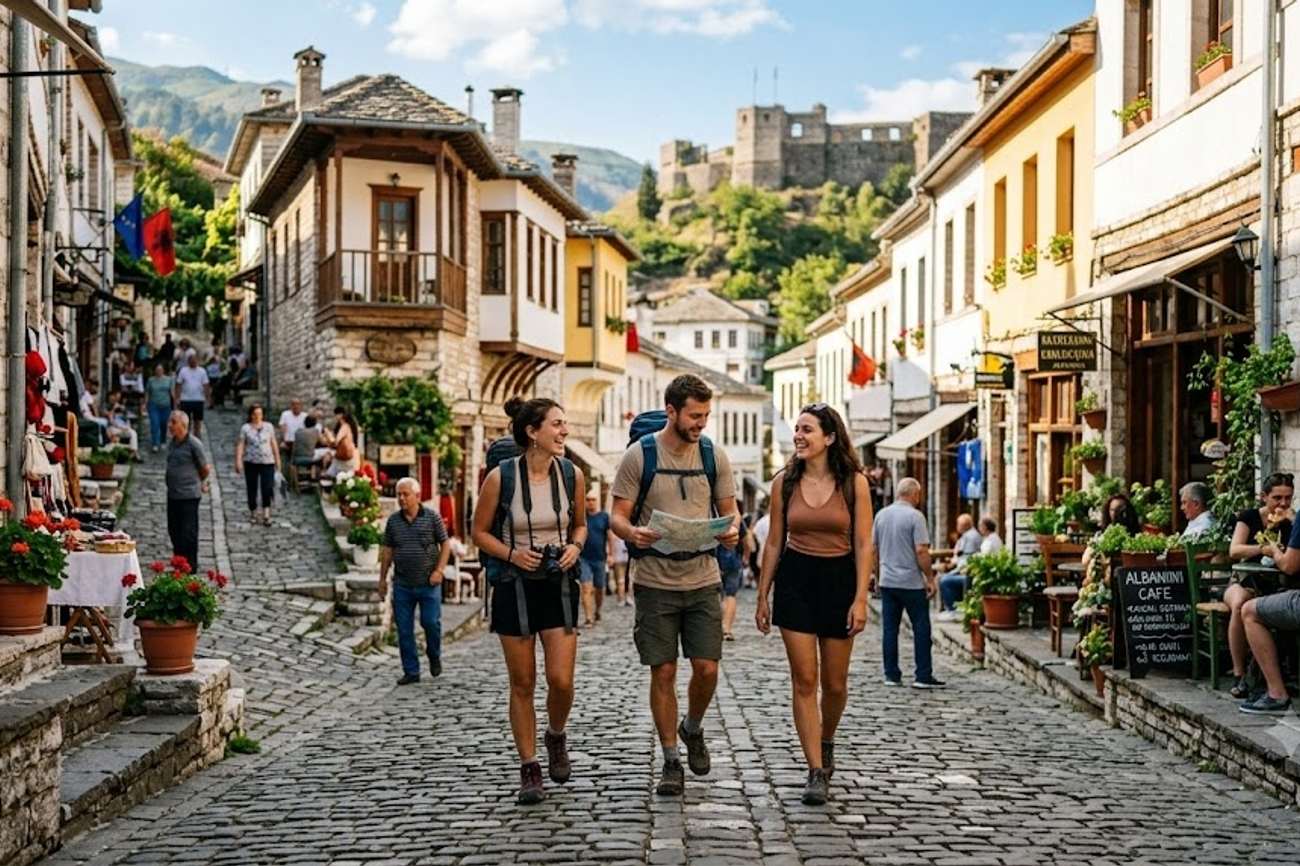
Image generated by AI
A 25% surge in international tourist arrivals to Moldova marks the most aggressive growth rate in Europe for the first half of 2026. This spike signals a fundamental realignment in how travelers are navigating the continent, as the traditional hegemony of Western European capitals gives way to a preference for "frontier" destinations and authentic, low-density experiences. While the broader European market grew by 3%, welcoming approximately 350 million international visitors between January and June 2026, the distribution of this growth reveals a stark geographical divide.
The Great European Pivot: From Hubs to Hinterlands
The first half of 2026 has exposed a volatility in traditional tourism corridors. While Southern Mediterranean Europe and Central Eastern Europe are seeing robust expansions, Western Europe has entered a period of contraction, recording a 1% decline in arrivals. This downturn is not accidental; it is the result of a compounding set of pressures, including extreme heatwaves that have rendered traditional summer hotspots less appealing and a softening of long-haul demand for legacy markets.
As travelers flee the congestion of over-tourism, they are gravitating toward destinations that offer "slow travel" and cultural depth. This shift is evident in the rise of Moldova, which has successfully positioned itself as the antithesis of the crowded European city break. By leveraging its wine heritage and rural monasteries, Moldova is capturing a demographic of travelers who prioritize affordability and genuine local interaction over curated tourist traps.
Data Breakdown: 2026 Growth Metrics
The variance in growth across the continent illustrates a migration of capital and foot traffic toward the periphery. The following data highlights the performance of the top-growing markets compared to the broader regional trend.
| Destination/Region | Arrival Growth (H1 2026) | Primary Growth Driver |
|---|---|---|
| Moldova | 25% | Wine tourism & rural authenticity |
| Greece | 15% | Diversification beyond beach tourism |
| Ireland | 15% | Nature-based & experiential travel |
| Europe (Overall) | 3% | General recovery & regional redistribution |
| Western Europe | -1% | Heatwaves & lower long-haul demand |
The scale of this shift is supported by the International Air Transport Association (IATA), which monitors the capacity shifts required to service these emerging routes. As arrivals in Moldova and Ireland climb, aviation infrastructure must adapt to handle non-seasonal peaks in regions that previously saw only sporadic summer traffic.
Expert Analysis: The Economics of "Alternative" Tourism
For the modern traveler, the 2026 data suggests that the "value proposition" of a trip has shifted from prestige to authenticity. The simultaneous 15% growth in both Greece and Ireland—two vastly different climates and geographies—indicates that the driver is not weather, but the desire for experiential depth.
In Greece, the growth is a result of a strategic pivot. For decades, the Greek economy relied on the "Sun and Sea" model centered on Santorini and Mykonos. However, the 15% increase in 2026 is driven by the promotion of the mainland’s mountain villages and archaeological sites. By decoupling its brand from the summer beach season, Greece is effectively extending its revenue window across the entire calendar year. Travelers booking these routes now find that the Greek National Tourism Organization is pushing a narrative of year-round exploration, which reduces the strain on infrastructure during July and August.
Ireland's 15% growth follows a similar logic of diversification. The surge is not concentrated in Dublin but is spread across the Wild Atlantic Way and the culinary hubs of Cork and Galway. This decentralization is a critical logistical win; it prevents the "bottleneck effect" seen in Western European cities and distributes international spending into rural economies.
The most provocative data point remains Moldova's 25% growth. This is a textbook example of "gap filling" in the tourism market. As Western Europe becomes more expensive and crowded, Moldova offers a high-contrast alternative: underground wine cellars and traditional villages at a fraction of the cost of a trip to France or Italy. For the nomad traveler or the budget-conscious explorer, the direct consequence is a significant increase in purchasing power and a decrease in "tourist friction" (queues, crowds, and inflated pricing).
The pricing pressure this creates for Western European destinations is immense. To combat the 1% decline, legacy markets may be forced to either lower prices or radically innovate their offerings to compete with the raw authenticity currently being offered by the East and the North.
Key Takeaways
- Moldova is the current growth leader, with a 25% increase in arrivals, driven by wine tourism and rural cultural experiences.
- Greece and Ireland are tied for second, both seeing 15% growth by successfully pivoting toward nature-based and year-round tourism.
- Western Europe is shrinking, recording a 1% drop in visitors due to climatic instability (heatwaves) and shifting long-haul preferences.
- The "Authenticity Trend" is quantifiable, with 350 million total European visitors increasingly bypassing traditional hubs for lesser-known regional destinations.
- Diversification is the primary survival strategy for established markets, as seen in Greece's push toward mainland archaeology and Ireland's focus on the Wild Atlantic Way.
FAQ: European Tourism Trends 2026
Why is Moldova becoming a popular destination in 2026? Moldova offers an affordable, low-crowd alternative to Western Europe. Its growth is driven by a strong focus on wine tourism, traditional rural villages, and a "slow travel" appeal that attracts those avoiding over-tourism in major capitals.
Is Greece still only a summer destination? No. While islands remain popular, Greece has seen 15% growth by promoting mainland mountains, archaeological sites, and wellness retreats, successfully encouraging travelers to visit outside the traditional summer window.
What is causing the decline in Western European tourism? A 1% drop in arrivals is attributed to extreme heatwaves making traditional destinations less attractive and a general shift in long-haul traveler demand toward more authentic or affordable "alternative" European destinations.
What are the best regions to visit in Ireland for nature lovers? The Wild Atlantic Way is the primary draw for coastal landscapes and adventure, while County Kerry is highlighted for its mountains and lakes, and Galway for its blend of music and heritage.
The map of European travel is being redrawn in real-time, favoring the bold and the undiscovered over the famous and the crowded.
Tags: Moldova Tourism 2026, Greece Travel Trends, Ireland Wild Atlantic Way, European Tourism Shift 2026, Wine Tourism Moldova
Related Travel Guides
- Greece Travel Transformation: Santorini Expands Beyond Sunsets With New Luxury Lifestyle Experiences for Global Travellers
- US Aligns With Japan and More Countries as New Belmont Park Era Strengthens New York Travel Appeal
- Vienna Teams Up With Prague and More as Most Captivating Cities of Europe Come Alive for the Ultimate Train Travel Escape!
Disclaimer
This article is for informational and educational purposes only. It does not constitute legal, financial, or professional advice. While we strive to provide accurate and up-to-date information, travel policies, regulations, and conditions change rapidly. Always verify information with official sources before making travel decisions. Nomad Lawyer makes no representations about the accuracy, reliability, completeness, or suitability of the information provided. Readers should consult qualified professionals for advice specific to their circumstances. The views expressed in this article are those of the author and do not necessarily reflect the views of Nomad Lawyer.
Kunal K Choudhary
Co-Founder & Contributor
A passionate traveller and tech enthusiast. Kunal contributes to the vision and growth of Nomad Lawyer, bringing fresh perspectives and driving the community forward.
Learn more about our team →