
Etihad Airways Flight EY217 Cancellation Guide: Delhi to Abu Dhabi Boeing 787 Disruption and Passenger Rights

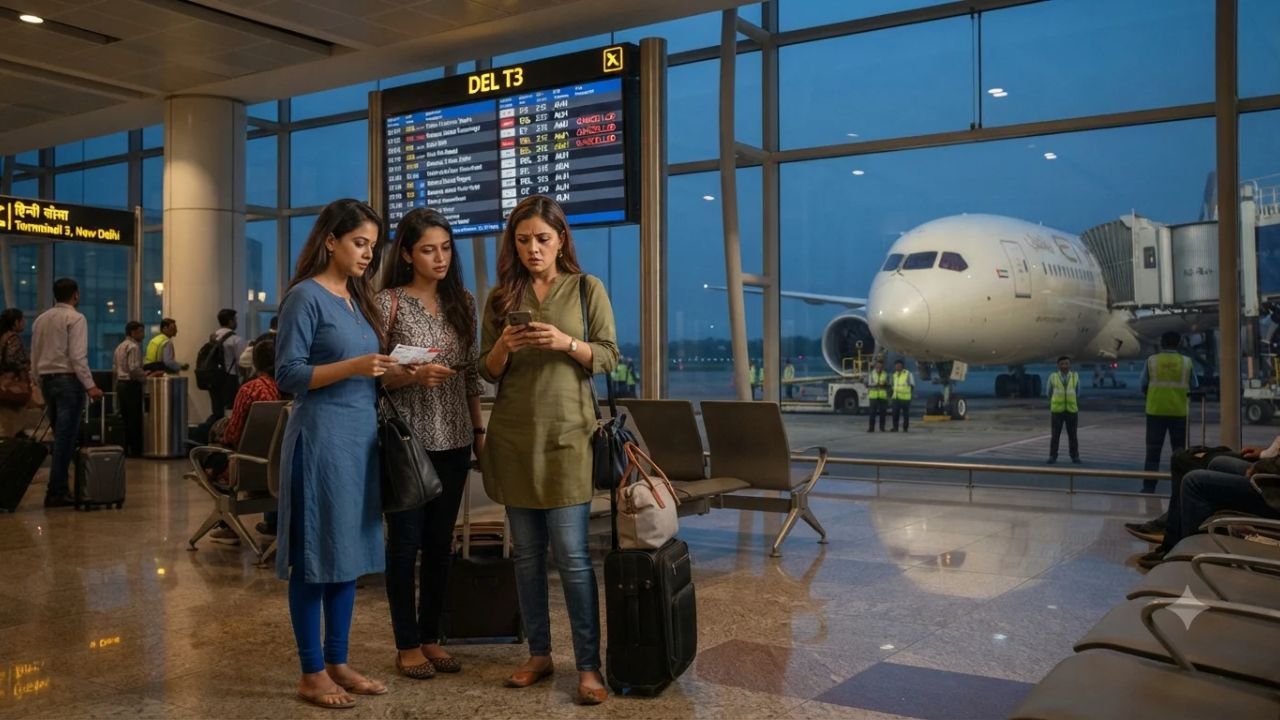
More than four million passengers travel between India and the United Arab Emirates every year, making the Delhi to Abu Dhabi air corridor one of the most vital international transit arteries on the planet. Late Saturday evening, September 20, 2026, that vital connection stalled unexpectedly when Etihad Airways flight EY217—scheduled to depart Indira Gandhi International Airport at 9:15 p.m.—was officially cancelled following an unresolved technical fault on the assigned Boeing 787-9 Dreamliner. Approximately 200 passengers who had already boarded the widebody aircraft were requested to deplane into Terminal 3, sparking an urgent scramble for overnight accommodation and interline rebookings.
For international travelers connecting onward to Europe, North America, and the Middle East, an unexpected cancellation on a long-haul Gulf carrier disrupts complex travel schedules. Navigating these situations requires prompt action, an understanding of Directorate General of Civil Aviation passenger charters, and smart terminal transit tactics.
Technical Grounding of Flight EY217 and Operational Fallout
Etihad Airways flight EY217 serves as a key evening departure linking Indira Gandhi International Airport in New Delhi directly with Zayed International Airport in Abu Dhabi. According to flight tracking data and airport operational reports, the service was prepared for an on-time 9:15 p.m. departure when flight crew diagnostic systems flagged a technical issue prior to pushback.
Airline technical teams initiated comprehensive safety assessments while roughly 200 passengers waited aboard the aircraft. When initial troubleshooting confirmed that replacement parts and extended maintenance cycles were required before the Boeing 787-9 Dreamliner could be cleared for international flight, the carrier executed standard safety protocols, returned the plane to the gate, and deplaned all passengers.
Following an extended waiting period at Terminal 3, Etihad's ground operations confirmed the formal cancellation of flight EY217. Ground teams began processing replacement flight options, priority re-routings on subsequent services, and accommodation arrangements for eligible transit passengers whose onward international connections through Abu Dhabi had been severed.
What Makes the Delhi to Abu Dhabi Corridor Strategically Essential
The air route connecting Delhi with Abu Dhabi functions as far more than a point-to-point regional service. It serves three distinct categories of travelers:
- Global Connecting Flyers: Abu Dhabi's Zayed International Airport serves as Etihad's central global transit hub, funneling Indian travelers toward nonstop onward flights to London Heathrow, New York JFK, Paris Charles de Gaulle, and Toronto Pearson.
- Corporate and Diplomatic Commuters: As commercial partnerships between India and the UAE expand, daily business travel between New Delhi and the Emirati capital demands predictable schedules.
- Non-Resident Indian (NRI) Families: Millions of Indian expatriates living in Abu Dhabi, Al Ain, and Dubai depend on daily frequencies for family reunions and seasonal holidays.
The Boeing 787-9 Dreamliner is chosen for this route because of its fuel efficiency, advanced composite structure, and cabin pressurization designed to reduce passenger fatigue. However, because widebody aircraft operate on tight global rotation schedules, a technical grounding in Delhi prevents the same airframe from operating subsequent long-haul sectors out of Abu Dhabi the following morning.
Visitor Insider Tips for Handling Flight Disruptions at Delhi Terminal 3
When high-density international flights face technical cancellations at Delhi Airport, experienced flyers utilize localized strategies to protect their schedules:
- Access the Airline Transfer Desk Behind Security: Rather than rushing out through landside immigration when an international flight is deplaned, head directly to the Central Transfer Desk in Terminal 3 near the international departure gates. Ground agents here can issue boarding passes for same-night partner airlines without requiring you to clear Indian customs and security a second time.
- Leverage Indian DGCA Passenger Charter Protections: Under Civil Aviation Requirements issued by the Directorate General of Civil Aviation, when a flight is cancelled due to technical reasons within the airline's control, passengers are entitled to alternate flights or full refunds, along with free meals and hotel accommodation if waiting periods exceed designated thresholds.
- Utilize the Aerotel Transit Hotel Inside Terminal 3: If facing an overnight wait before a morning replacement departure, ask the airline to arrange rooms at the Aerotel transit hotel located airside inside Terminal 3. This avoids the lengthy process of entering India, taking shuttles to Aerocity hotels, and re-clearing departure immigration the next day.
- Monitor Alternate Gulf Hub Connections: If Etihad cannot confirm a seat within twelve hours, request an interline transfer to alternative Gulf operators departing Terminal 3, such as Emirates, Qatar Airways, or Gulf Air, which frequently have open capacity on morning departures.
- Maintain Digital Records of Baggage Tags: If you deplane after boarding, photograph your physical baggage claim tags immediately. When luggage is offloaded from a widebody aircraft cargo container, having the exact tag numbers expedites reclaim at the ground baggage desk.
Aviation Safety Standards and Regional Connectivity
While sudden flight cancellations cause undeniable passenger inconvenience, strict maintenance abort protocols represent the bedrock of modern international aviation safety. Global aviation authorities, including the FAA and civil aviation regulators across South Asia and the Gulf, mandate that aircraft with unresolved sensor, hydraulic, or environmental system alerts remain grounded until certified engineers sign off on airworthiness.
Etihad Airways continues to expand its footprint in the Indian subcontinent, adding frequencies and deploying modernized widebody fleets to meet surging bilateral travel demand. As airlines scale up long-haul operations between India and the Middle East, investments in local spare part inventories and ground maintenance capabilities at primary hubs like Delhi help minimize the duration of technical interruptions.
FAQ: Etihad Delhi to Abu Dhabi Flights 2026
What happened to Etihad flight EY217 on September 20, 2026?
Etihad flight EY217, scheduled to depart Delhi for Abu Dhabi at 9:15 p.m. aboard a Boeing 787-9 Dreamliner, was cancelled after technical checks revealed a maintenance issue affecting approximately 200 passengers.
What are my rights if my flight from Delhi is cancelled due to a technical issue?
Under DGCA passenger rules, the airline must provide you with an alternate flight at no extra cost, a full ticket refund if you choose not to travel, and complimentary meals and hotel accommodation during extended delays.
Can international transit passengers stay inside Delhi Terminal 3 during cancellations?
Yes. International transit passengers who do not possess Indian visas can remain in the secure airside transit zone or stay at the Terminal 3 airside transit hotel while waiting for replacement flights.
How quickly does Etihad rebook passengers after a widebody cancellation?
Etihad ground personnel typically re-accommodate passengers onto the next available Etihad flight or re-route them on partner airlines within 12 to 24 hours of a cancellation.
In international aviation, uncompromising maintenance standards ensure safety above all, while proactive passengers turn unexpected gate cancellations into smooth journeys forward.
Related Travel Guides
- Asia Aviation Disruption Guide: Over 4,100 Delays Hit Tokyo Haneda, Guangzhou, and Singapore Changi
- Delta Flight 394 Diversion: Maui to Seattle Route Diverts to Honolulu Amid Pacific Aviation Expansion
- America's Best Mid-Sized Airports 2026: Charleston, Ontario, and Indianapolis Redefine the Passenger Experience
Disclaimer
This article is for informational and educational purposes only. It does not constitute legal, financial, or professional advice. While we strive to provide accurate and up-to-date information, travel policies, regulations, and conditions change rapidly. Always verify information with official sources before making travel decisions. Nomad Lawyer makes no representations about the accuracy, reliability, completeness, or suitability of the information provided. Readers should consult qualified professionals for advice specific to their circumstances. The views expressed in this article are those of the author and do not necessarily reflect the views of Nomad Lawyer.
Raushan Kumar
Founder & Lead Developer
Full-stack developer with 11+ years of experience and a passionate traveller. Raushan built Nomad Lawyer from the ground up with a vision to create the best travel and law experience on the web.
Learn more about our team →