
Delta Flight 394 Diversion: Maui to Seattle Route Diverts to Honolulu Amid Pacific Aviation Expansion

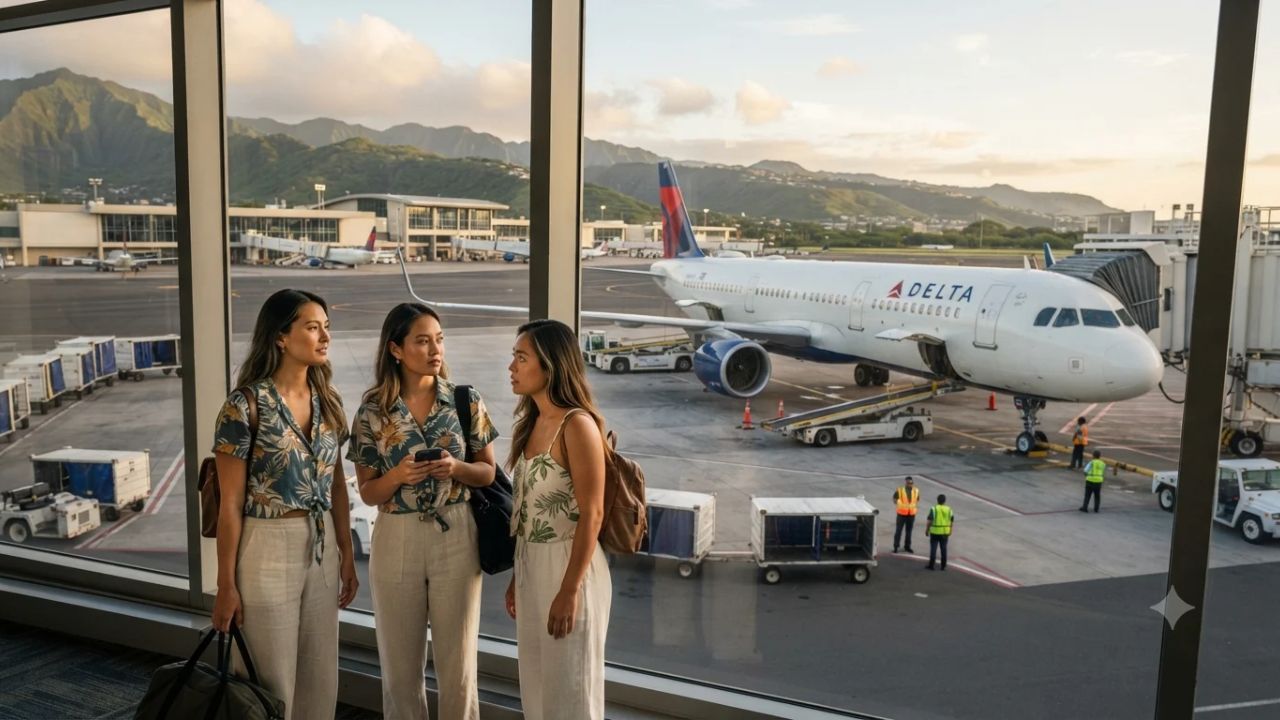
When flying east from the Hawaiian Islands over thousands of miles of open ocean, pilots treat even minor cockpit alerts with immediate, disciplined caution. On the evening of September 19, 2026, Delta Flight 394 departed Kahului Airport on Maui bound for Seattle-Tacoma International Airport carrying 189 passengers aboard an Airbus A321neo. Shortly after leaving Maui airspace, the flight crew detected unfamiliar fumes in the cabin environment and initiated standard safety protocols, turning westward to land safely at Daniel K. Inouye International Airport in Honolulu on Oahu.
While unexpected diversions naturally create stress and hours of schedule adjustments for travelers crossing the Pacific, the event highlighted the specialized operational redundancies that govern Hawaii air travel. Rather than pressing into the vast oceanic corridor separating the islands from the Pacific Northwest, aviation protocols prioritized passenger safety through Hawaii's primary international hub.
Pacific Route Safety and the Mechanics of Delta Flight 394
Delta Flight 394 operates as a standard evening red-eye service connecting Kahului Airport (OGG) directly with Seattle-Tacoma International Airport (SEA). According to flight tracking records and carrier confirmations, the September 19, 2026 operation departed on schedule before the crew reported fumes and requested priority handling into Honolulu (HNL).
The Airbus A321neo landed without incident at Daniel K. Inouye International Airport, where emergency vehicles met the aircraft on the taxiway according to standard safety guidelines. Ground personnel observed fuel being discharged from the aircraft following its arrival, a routine procedure when an aircraft lands heavy shortly after takeoff. Medical teams evaluated one flight attendant who requested attention, while no passenger injuries occurred among the 189 travelers on board.
Delta swiftly coordinated a replacement aircraft to transport the 189 passengers forward to Seattle, while initiating passenger outreach and issuing automatic travel refunds for the affected segment. Guidance from the Federal Aviation Administration notes that preliminary reports of cabin odors or fumes do not automatically indicate engine breakdown or mechanical failure, with detailed investigations handled directly between technical maintenance teams and federal regulators.
Regular operations for Delta Flight 394 continued on subsequent days, and officials confirmed that neither Kahului Airport nor Honolulu International experienced wider operational suspensions or systemwide delays as a result of the incident.
What Makes Hawaii Transpacific Routes Geographically Unique
Flying between the Hawaiian archipelago and the mainland United States represents one of the most demanding operational environments in civil aviation. Commercial routes from Maui or Honolulu to West Coast hubs like Seattle, San Francisco, and Los Angeles cross the Pacific Ocean without intermediate diversion runways. Once a flight passes the Point of Safe Return, the only viable landing strips lie on the mainland.
For this reason, aircraft operating these long-haul sectors adhere to stringent Extended-range Twin-engine Operational Performance Standards (ETOPS). These international certifications mandate that aircraft maintain specialized fire suppression systems, redundant electrical generators, auxiliary hydraulic power, and extensive oxygen reserves.
When Delta Flight 394 encountered cabin fumes during the initial climb phase, flight crew decision-making was straightforward. Honolulu possesses extensive runway infrastructure, including the 12,000-foot Reef Runway (Runway 8R/26L) constructed over offshore coral flats, alongside comprehensive maintenance facilities and widebody ground handling support that neighbor island outposts like Kahului cannot match.
Visitor Insider Tips for Flying In and Out of Hawaii
Navigating transpacific journeys requires specific preparation to protect onward connections and hotel bookings against unforeseen diversions:
- Pad Connection Windows on the Mainland: When flying overnight from Hawaii to mainland hubs like Seattle, Denver, or Atlanta, never schedule an onward domestic connection with less than a two-and-a-half-hour layover. Oceanic flights are vulnerable to jet stream headwinds and occasional oceanic diversions that can erase 60-minute connections.
- Keep Essential Valuables and Medication in Hand Luggage: If an aircraft diverts to an inter-island hub like Honolulu, checked luggage frequently remains locked in the cargo hold while passengers wait in the terminal for replacement airframes. Carry two days of prescription medications, mobile chargers, and light changes of clothes in your cabin backpack.
- Leverage Honolulu Terminal Inter-Concourse Shuttles: If rebooked on an alternative flight departing another terminal at Daniel K. Inouye International, use the Wiki Wiki Shuttle bus on the third level rather than exiting and re-clearing security checkpoints.
- Monitor Carrier Notification Feeds Directly: In diversion scenarios, gate screens update slower than airline native applications. Delta, United, and Hawaiian mobile apps dispatch gate reassignments, meal voucher barcodes, and boarding passes minutes before terminal announcements are made.
- Take Advantage of Maui Afternoon Check-In Realities: Kahului Airport experiences intense departure surges between 11:00 a.m. and 3:00 p.m. Arriving at OGG three hours prior to mainland departures ensures ample time through security checkpoints and agricultural screening.
Cultural and Aviation Network Expansion Across the Islands
The diversion of Flight 394 occurred against the backdrop of significant network growth across the archipelago. In February 2026, Delta Air Lines announced its largest Hawaii schedule expansion in corporate history, introducing new nonstop routes between Minneapolis and Maui, restoring seasonal Boston-to-Honolulu services, and boosting frequency from its western hubs.
This expansion reflects strong post-recovery demand from travelers seeking sustainable, respectful cultural immersion across Maui, Oahu, Kauai, and the Big Island. Tourism authorities emphasize the principle of malama (to care for, protect, and preserve), encouraging visitors to engage with local cultural practitioners, support Native Hawaiian businesses, and respect sensitive ecological sanctuaries across Maui's Upcountry and coastal reserves.
As airlines add direct routes connecting mainland cities with neighbor island airports, direct connectivity reduces inter-island transit bottlenecks. Yet when unexpected maintenance events take place, Hawaii's interconnected aviation network ensures that Honolulu remains a resilient central anchor capable of absorbing diversions and protecting passenger welfare.
FAQ: Flying Between Hawaii and the Mainland 2026
What happens if my flight from Hawaii diverts to Honolulu?
Airlines deplane passengers at Daniel K. Inouye International Airport, inspect the aircraft, and either resolve the technical issue or dispatch a replacement plane. Passengers receive meal vouchers, accommodation if overnight stays are necessary, and automated rebooking.
Why do flights divert to Honolulu instead of returning to Maui?
Honolulu is Hawaii's primary aviation gateway, offering longer runways, heavy maintenance hangars, dedicated medical support, and multiple spare aircraft that smaller neighbor island facilities like Kahului do not possess.
Do I need to clear agricultural inspection when flying from Maui?
Yes. All passengers departing Hawaii for the continental United States must pass their baggage through USDA agricultural inspection stations before airline check-in to prevent the spread of invasive species and pests.
Am I eligible for a flight refund if an airline diversion causes significant delay?
Yes. Under Department of Transportation guidelines, if an airline makes a significant change to your schedule or routing and you decline alternative accommodation, you are entitled to a full prompt cash refund.
Safe transpacific travel relies on deliberate caution over vast ocean expanses, turning unexpected island stopovers into calm, orderly journeys home.
Related Travel Guides
Disclaimer
This article is for informational and educational purposes only. It does not constitute legal, financial, or professional advice. While we strive to provide accurate and up-to-date information, travel policies, regulations, and conditions change rapidly. Always verify information with official sources before making travel decisions. Nomad Lawyer makes no representations about the accuracy, reliability, completeness, or suitability of the information provided. Readers should consult qualified professionals for advice specific to their circumstances. The views expressed in this article are those of the author and do not necessarily reflect the views of Nomad Lawyer.
Naina Thakur
Contributor & Travel Specialist
Travel enthusiast and legal writer covering visa regulations, responsible tourism, and cultural journeys across global destinations.
Learn more about our team →