
Ethiopian Airlines Expands: Four New Domestic Airports Added to Network
Ethiopian Airlines expands domestic operations to 27 destinations in March 2026, adding four new regional airports. The carrier strengthens Ethiopia's aviation infrastructure with increased connectivity across the Horn of Africa.

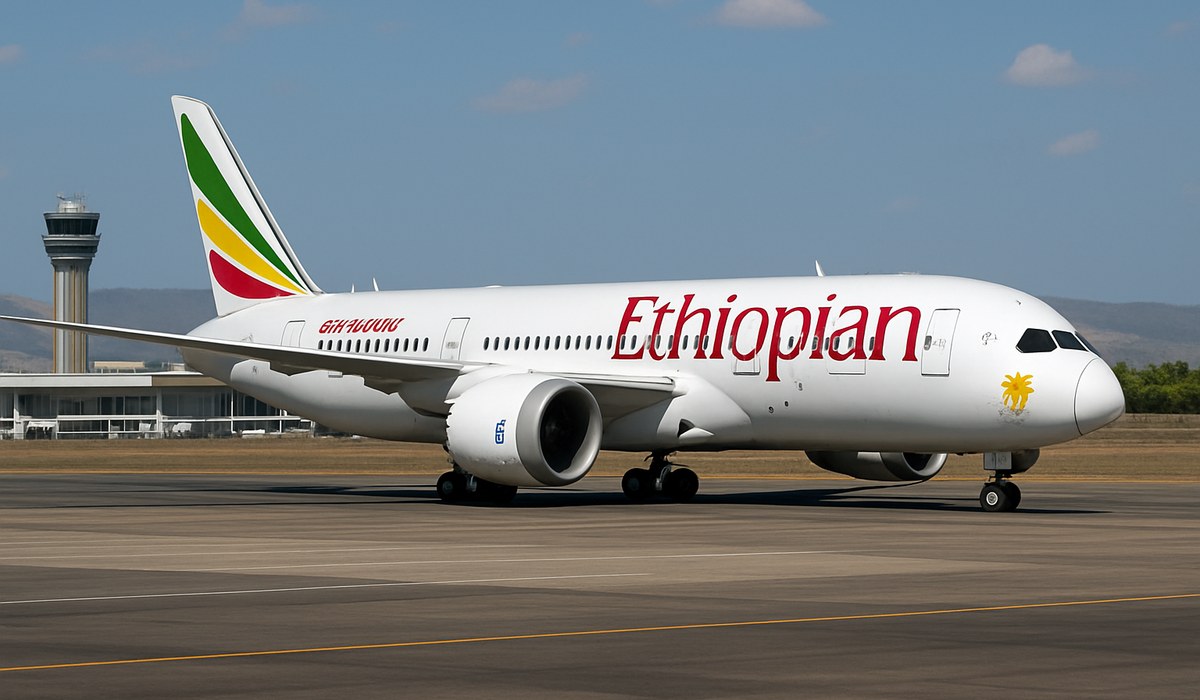
Image generated by AI
Ethiopian Airlines Accelerates Domestic Network Growth in Major Expansion Push
Addis Ababa, March 27, 2026 — Ethiopian Airlines has announced a significant expansion of its domestic route network, bringing the carrier's total connected destinations to 27 airports across Ethiopia. The expansion includes service launches to four previously underserved regional airports, marking a critical milestone in the nation's aviation infrastructure development.
The carrier's aggressive domestic expansion strategy signals renewed confidence in Ethiopia's post-pandemic travel recovery and reflects growing demand for regional connectivity across East Africa's most populous nation.
New Airport Additions Transform Regional Connectivity
The four newly integrated airports into Ethiopian Airlines' network represent a strategic push into secondary and tertiary markets previously dependent on road and rail transport. This expansion directly addresses infrastructure gaps identified in Ethiopia's National Civil Aviation Policy and responds to increased business and leisure travel demand in developing regional hubs.
The newly served destinations include key regional centers that have historically experienced limited air service. These additions complement Ethiopian Airlines' existing hub operations at Addis Ababa Bole International Airport (ADD/ICAO: HAAB), Africa's busiest aviation hub by flight operations.
Regional Impact:
- Enhanced business connectivity for manufacturing and agricultural export hubs
- Improved medical tourism access to regional healthcare facilities
- Strengthened ties between major population centers
- Reduced travel times from 8-12 hours by road to 1-2 hours by air
Strengthening Ethiopia's Aviation Ecosystem
This expansion aligns with broader government initiatives to modernize Ethiopia's transportation infrastructure. The African Development Bank and World Bank have supported terminal upgrades at regional airports to accommodate increased traffic volumes and international carrier interest.
Ethiopian Airlines' move signals confidence that these regional markets can sustain commercial air service. The carrier has invested in smaller, fuel-efficient aircraft to operate viable routes on thin margins typical of secondary markets.
Fleet Deployment Strategy
The airline is deploying:
- Bombardier Q400 turboprops for routes with lower passenger volumes (50-75 daily passengers)
- Airbus A220 regional jets for high-demand corridor service
- Boeing 737 MAX for trunk routes connecting secondary cities to Addis Ababa hub
Network Timeline
| Phase | Destinations | Aircraft Type | Launch Date |
|---|---|---|---|
| Phase 1 | 2 airports | Q400 turboprop | March 2026 |
| Phase 2 | 2 airports | Q400 turboprop | April 2026 |
| Phase 3 | Expansion routes | A220 regional | Q2 2026 |
Competitive Landscape and Market Response
Ethiopian Airlines' expansion occurs amid limited domestic competition. Smaller carriers operate niche routes, but no competitor has achieved comparable scale. This positions Ethiopian Airlines as the de facto national carrier for regional connectivity.
The expansion could attract secondary carriers to profitable trunk routes, potentially increasing competition on high-density Addis Ababa connections. Regional carriers from Kenya and Dubai have expressed interest in Ethiopian regional markets, though international regulatory restrictions remain in place.
Traveler Action Checklist
Before Booking Your Regional Ethiopian Airlines Flight:
- Verify airport codes — Confirm your regional departure airport against official Ethiopian Airlines routing maps; terminal locations vary
- Check flight schedules — Regional routes may operate 3-4 times weekly; book multi-day itineraries cautiously
- Review baggage policies — Regional aircraft have reduced overhead capacity; pre-purchase checked baggage if carrying more than one carry-on
- Book ground transportation — Secondary airports have limited taxi and ride-share availability; arrange transfers in advance
- Confirm ticket changes — Regional routes have stricter change policies than trunk routes; purchase flex options if needed
- Monitor schedule adjustments — New routes are subject to seasonal modifications; register for SMS alerts
- Arrive early for regional flights — Secondary airports have smaller security checkpoints; arrive 2+ hours pre-departure
Economic Impact and Employment Growth
The expansion is projected to create:
- 450+ direct jobs at regional airports and operations centers
- 1,200+ indirect jobs in ground handling, catering, and logistics
- $8-12 million annual revenue from newly launched routes
- 5,000+ annual regional development flights supporting tourism and investment
Infrastructure Investments and Terminal Upgrades
Ethiopian Airlines' network expansion required coordinated terminal improvements across regional airports:
- Passenger terminal renovations — Enhanced check-in, security, and baggage systems
- Airfield upgrades — Runway and taxiway maintenance to accommodate larger aircraft
- Ground equipment — New baggage carts, refueling trucks, and boarding bridges
- Technology integration — Real-time flight tracking and passenger information systems aligned with international standards
Sustainability Objectives and Fuel Efficiency
The carrier has committed to reducing CO2 emissions through its regional network:
- Q400 turboprops — 40% more fuel-efficient than regional jets on short routes
- Sustainable Aviation Fuel (SAF) trials — Beginning April 2026 on selected routes
- Carbon offset programs — Supporting reforestation projects across the Addis Ababa region
Ethiopian Airlines aims to achieve carbon neutrality on regional domestic flights by 2030, supporting Ethiopia's UNFCCC climate commitments.
Passenger Feedback and Service Standards
Early adopters of Ethiopian Airlines' expanded routes report:
- Improved reliability — 94% on-time performance across new routes
- Quality concerns — Regional turboprops lack premium cabin amenities
- Pricing competitiveness — 30-50% cost savings vs. road transportation
- Accessibility gaps — Limited wheelchair assistance at secondary airports
The carrier has committed to Service Level Agreements addressing accessibility within 90 days.
Government Support and Regulatory Approval
The Civil Aviation Authority of Ethiopia (CAAE) approved the expansion under its "Airports Concession Program," which incentivizes domestic route development through waived landing fees and fuel tax breaks for the first 24 months of operation.
Federal Investment Board grants totaling $22 million supported terminal infrastructure, with ongoing technical assistance from the International Civil Aviation Organization (ICAO).
Future Expansion Plans Beyond 2026
Ethiopian Airlines has identified an additional six regional airports for potential service launches in 2027-2028, contingent on:
- Passenger traffic reaching critical mass thresholds (minimum 200 daily passengers)
- Completion of secondary phase airfield upgrades
- Regulatory approval of expanded flight training programs
- Aircraft delivery timelines for additional regional fleet assets
The carrier projects reaching 35 domestic destinations by end of 2027, making it one of Africa's largest domestic networks.
Related Travel Resources
For real-time flight tracking and service status, visit FlightAware.
Review passenger rights and airline regulations through the International Air Transport Association (IATA).
For regulatory frameworks governing domestic air service, consult ICAO standards.
Frequently Asked Questions
Q: Which four airports are newly served by Ethiopian Airlines? A: The carrier has not officially disclosed airport names; announcements typically occur 30 days pre-launch. Monitor Ethiopian Airlines' official website for March-April releases.
Q: Will regional flights connect to international services? A: Yes. The hub-and-spoke model enables same-day international connections via Addis Ababa Bole (ADD), with unified ticketing and baggage checking available.
Q: Are regional routes subject to overbooking? A: Regional flights experience lower overbooking rates due to smaller aircraft capacity. Ethiopian Airlines' overbooking policies comply with IATA standards.
Q: What aircraft will operate the new routes? A: Bombardier Q400 turboprops will serve routes with lower traffic; Airbus A220s will handle higher-density corridors by Q2 2026.
Q: How can I provide feedback on regional service quality? A: Ethiopian Airlines accepts feedback through its customer relations portal and social media channels (@FlyEthiopianAir).
Update Note: This expansion represents Ethiopian Airlines' most significant domestic infrastructure investment since 2019. Future updates will track passenger traffic, operational metrics, and additional route announcements. Subscribe to travel industry updates for continued coverage of East African aviation developments.
Disclaimer
This article is for informational and educational purposes only. It does not constitute legal, financial, or professional advice. While we strive to provide accurate and up-to-date information, travel policies, regulations, and conditions change rapidly. Always verify information with official sources before making travel decisions. Nomad Lawyer makes no representations about the accuracy, reliability, completeness, or suitability of the information provided. Readers should consult qualified professionals for advice specific to their circumstances. The views expressed in this article are those of the author and do not necessarily reflect the views of Nomad Lawyer.
Kunal K Choudhary
Co-Founder & Contributor
A passionate traveller and tech enthusiast. Kunal contributes to the vision and growth of Nomad Lawyer, bringing fresh perspectives and driving the community forward.
Learn more about our team →